







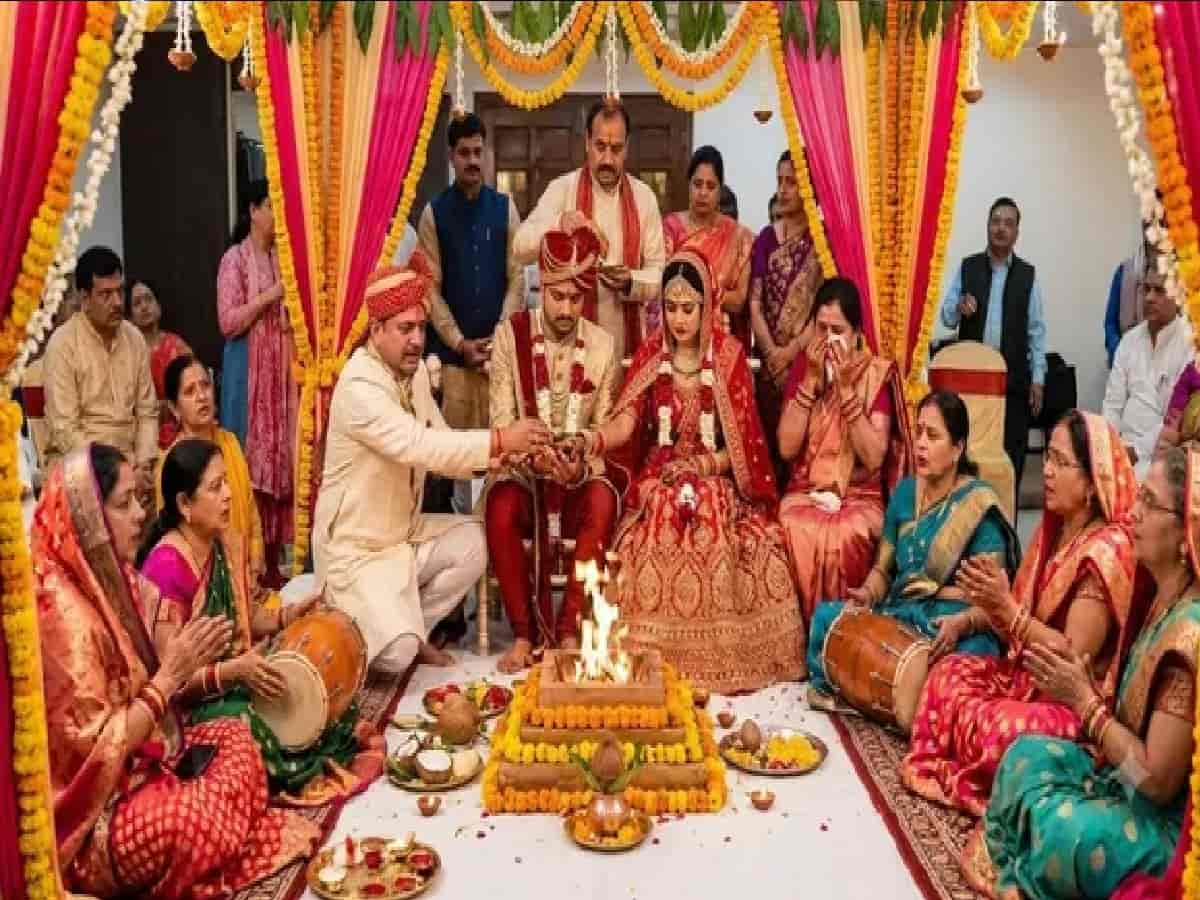
Why 'De Do Re Janak Ji Kanyadaan' Brings Tears at Indian Weddings
Amid the sacred smoke of the wedding havan, the rhythmic chanting of Vedic mantras, and the soft glow of late-night mandap lamps, few moments in a Hindu marriage carry the raw emotional gravity of the Kanyadaan ceremony. Highlighted across religion, culture, and heritage desks on Friday, November 27, 2026, this pivotal rite—part of Hinduism's sixteen sacred sacraments (Shodasha Samskaras)—is traditionally accompanied across northern and central India by a soul-stirring folk melody that rarely fails to bring tears to the eyes of parents and guests alike: "De Do De Do Re Janak Ji Kanyadaan, Siya To Raja Ram Ki Hui." Sung in chorus by women gathered around the wedding canopy across the Awadh and Mithila regions of Uttar Pradesh and Bihar, and heard in cherished regional variations across Madhya Pradesh and Rajasthan, the song transforms an ordinary family courtyard into the royal court of Mithila during the Treta Yuga wedding of Lord Shri Ram and Goddess Sita. By gently addressing the bride's father as King Janak and reminding him that "Siya now belongs to Raja Ram," the folk verse acknowledges both the silent ache of a father parting with the daughter he raised and the sacred trust placed in the groom's family—grounding human emotion in timeless devotion across Lucknow, Ayodhya, Varanasi, Patna, Janakpur, New Delhi, and Jaipur.
Meaning of 'De Do Re Janak Ji Kanyadaan': Cultural Roots, Lyrics & Regional Heritage
To bring together the line-by-line poetic and spiritual meaning of the folk song "De Do Re Janak Ji Kanyadaan", why Hindu wedding traditions elevate the bride's father to King Janak and the couple to Shri Ram and Sita during Kanyadaan, and how this musical tradition is preserved across Awadh, Mithila, Madhya Pradesh, and Rajasthan, the tables below organize verified cultural and folkloric insights:
Poetic & Spiritual Breakdown of 'De Do Re Janak Ji Kanyadaan'
| Lyric / Ritual Element | Literal & Cultural Translation | Emotional & Spiritual Significance |
| "De Do De Do Re Janak Ji Kanyadaan" | "Grant, O King Janak, the sacred Kanyadaan (giving away of the bride)." | Women of the household gently prompt the bride's father at the auspicious muhurat to step forward and complete the solemn vow, honoring him with the dignity of King Janak. |
| "Siya To Raja Ram Ki Hui" | "Sita now belongs forever to King Ram." | Comforts grieving parents by equating their daughter's union with the eternal, dharmic bond of Goddess Sita and Lord Shri Ram, signaling trust in her new home. |
| Kanyadaan Among the 16 Samskaras | Performed with sacred water (sankalpa), kusha grass, flowers, and Vedic mantras linking two families. | Marks the formal transition of lifelong familial responsibility and mutual respect between the bride's and groom's lineages. |
| Role of Women's Folk Chorus (Sanskar Geet) | Sung collectively without heavy instrumentation while parents perform Hasta Milap (joining of hands). | Provides an emotional release valve, allowing parents to weep openly while surrounded by communal warmth and blessings. |
Regional Footprint of the Kanyadaan Folk Song Across India
| Cultural Region / State | Local Musical Tradition | How It Resonates in Weddings |
| Awadh & Purvanchal (Uttar Pradesh) | Sung in Awadhi and Bhojpuri dialects across Lucknow, Ayodhya, Prayagraj, Varanasi, and Gorakhpur during midnight mandap rites. | Deeply tied to Ayodhya's Ram-Janaki heritage; elders often pause rituals briefly as the verse moves the entire mandap to tears. |
| Mithila (Bihar & Janakpur) | Rooted in Maithili Vivah Geet traditions across Darbhanga, Madhubani, Patna, and Janakpur (Goddess Sita's ancestral homeland). | Carries intimate maternal and paternal pride, framing every Mithila bride as a daughter of King Janak's lineage. |
| Madhya Pradesh & Rajasthan | Adapted in Bundeli, Malvi, and Rajasthani wedding songs alongside traditional bidaai and hathleva melodies. | Preserves the exact spiritual imagery of Janak, Sita, and Shri Ram across central and western Indian marriage customs. |
Why Invoking Ram and Sita Helps Parents Through the Hardest Moment of a Wedding
Folklorists and cultural scholars across Lucknow, Ayodhya, Varanasi, and Patna point out that Kanyadaan is psychologically the most delicate transition in an Indian wedding—the exact instant when decades of daily protection give way to letting a daughter build a life in another household. By elevating the bride's father to Maharaja Janak—the philosopher-king who cherished Sita above his own life yet honored dharma by uniting her with Shri Ram—the song dignifies a father's tears not as weakness, but as supreme grace, reminding the groom's family of the sacred responsibility they are accepting.
Preserving Traditional Sanskar Geet in Modern Indian Weddings
Even as contemporary weddings across Lucknow, New Delhi, Varanasi, Patna, and Jaipur blend modern photography and curated playlists with classic rituals, families increasingly invite elder women and folk singers to preserve authentic Sanskar Geet like "De Do Re Janak Ji Kanyadaan" at the mandap—ensuring that the emotional heart of Kanyadaan continues to connect new generations with the enduring cultural memory of Sita and Shri Ram.




