






Who Performs Shraddha If There Are No Children, Garuda Purana Rules Explained
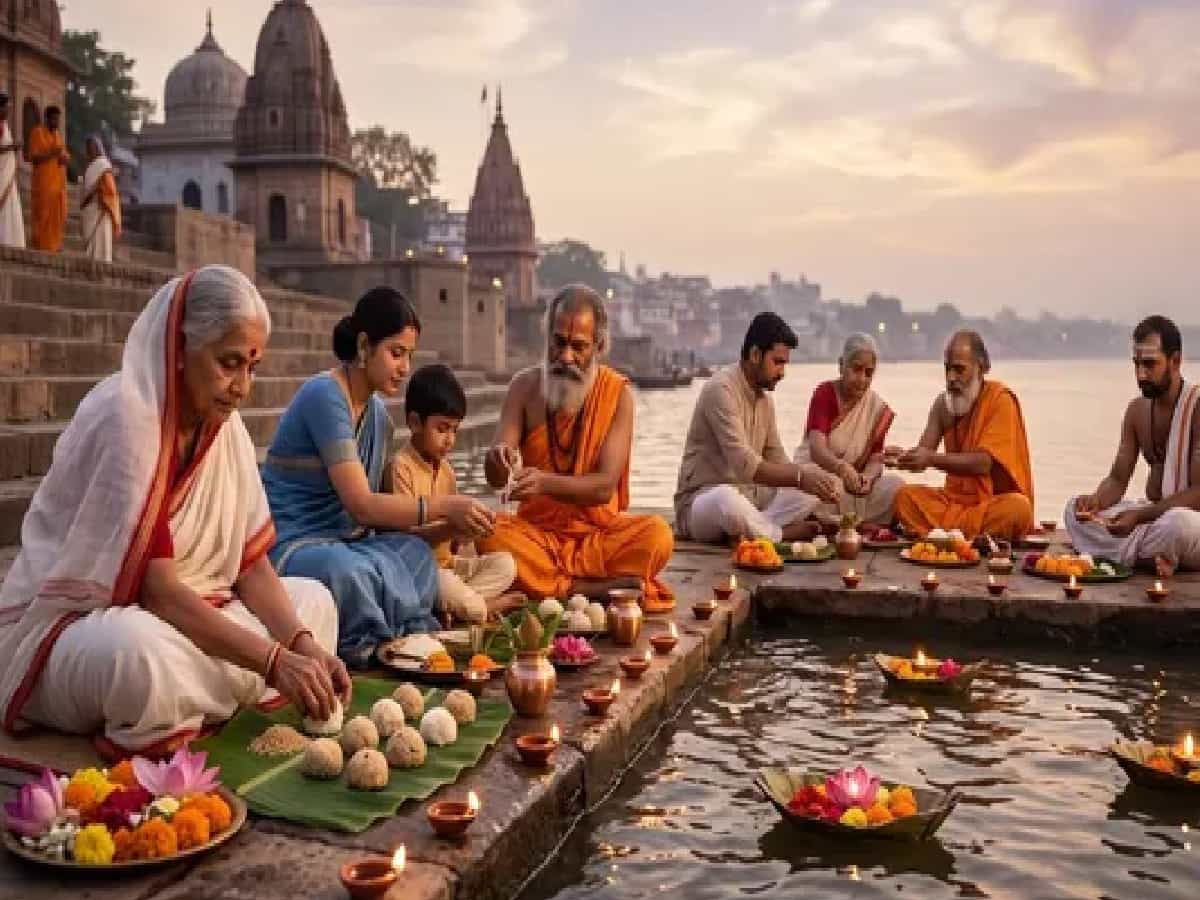
In Sanatan Dharma, performing sacred ancestral rituals (Shraddha and Pind Daan) during the holy fortnight of Pitru Paksha is considered an essential spiritual duty to repay ancestral debts (Pitru Rin) and ensure the peace of departed souls. According to Vedic tradition, the primary responsibility of offering oblation traditionally rests upon the eldest son. However, what happens when a person leaves behind no children, or when sons are absent or unable to perform the rites? Addressing this fundamental question, the ancient scriptures—specifically the Garuda Purana—provide clear, compassionate guidelines dictating that ancestral rituals must never be abandoned, outlining an exact hierarchy of family members, relatives, and associates who are authorized to perform the sacred rites.
The Lineage Hierarchy: Who Has the Right to Perform Shraddha in the Absence of a Son?
When direct male heirs are unavailable, Hindu jurisprudence and scriptural texts establish a structured succession order for performing ancestral rites:
-
Grandsons and Great-Grandsons: According to the Garuda Purana, if a son is absent, the deceased person's grandson (pota) or great-grandson (prampota) holds the primary right to perform Pind Daan and Tarpan, as they belong directly to the same patrilineal lineage.
-
The Surviving Wife: In the event that a man passes away without male heirs, his devoted wife (patni) is fully sanctioned to perform the Shraddha rituals for her husband, upholding the continuity of the sacred household duties.
-
Daughters and Maternal Grandsons: Breaking away from rigid patriarchal customs, the Garuda Purana explicitly allows daughters to perform Shraddha rituals for their father if the family has no sons. Additionally, a daughter's son (daitya or maternal grandson) is also spiritually qualified to perform Shraddha rites for his maternal grandparents (nana-nani).
-
Daughters-in-Law: In situations where no male members or direct descendants are present in the immediate household, the eldest daughter-in-law (bahu) may step forward to offer oblations for her parents-in-law.
Extended Kinship and Friends: What If No Immediate Family Is Available?
If an individual passes away leaving behind no nuclear family members or direct descendants, the Garuda Purana extends the privilege of performing ancestral rites to broader social and blood connections:
-
Brothers and Nephews: In the absence of children, the biological brother of the deceased or his son (the nephew) can legally and spiritually perform the annual Shraddha ceremonies.
-
Clan Relatives (Gotra-ja): If immediate family members are completely absent, distant relatives belonging to the same clan (gotra) or lineage can step in to ensure the departed soul receives proper oblation.
-
Close Friends and Trusted Associates: In extremely rare circumstances where a person leaves behind no blood relatives at all, a loyal friend is permitted by scriptural rules to perform Shraddha for the peace of the departed soul.
-
Qualified Brahmins: Finally, if absolutely no relatives or associates are available, sacred texts record that a qualified, pious Brahmin priest can perform the necessary rituals on behalf of the deceased to ensure spiritual liberation.