When Is Rishi Panchami in 2026, Auspicious Timing, Puja Vidhi, Mantras, and Religious Significance of the Holy Fast
Rishi Panchami holds a place of profound reverence in the Hindu calendar, dedicated entirely to honoring the Saptarishis—the seven ancient sages whose profound wisdom, spiritual contributions, and teachings laid the core foundations of Sanatana Dharma. Celebrated annually on the fifth day of the Shukla Paksha (bright fortnight) in the holy month of Bhadrapada, right after Ganesh Chaturthi, this auspicious festival serves as a sacred occasion for self-reflection, penance, and spiritual cleansing. In 2026, Rishi Panchami will be observed on Tuesday, September 15, bringing devotees together in prayer and fasting to express deep gratitude to the revered sages.
Panchami Tithi Timing, Schedule, and Calendar Details
For devotees planning to observe the fast and perform ritualistic worship, marking the precise timing of the Tithi is essential. According to the Hindu Vedic calendar, the schedule for Rishi Panchami in 2026 is structured as follows:
-
Festival Date: Tuesday, September 15, 2026
-
Hindu Calendar Month: Bhadrapada (Shukla Paksha)
-
Tithi Phase: Fifth day (Panchami)
-
Panchami Tithi Begins: September 15, 2026, at 7:44 AM
-
Panchami Tithi Ends: September 16, 2026, at 8:59 AM
Religious Significance and Purpose of Observing the Rishi Panchami Fast
Observing the Rishi Panchami fast is deeply tied to the pursuit of self-purification, atonement, and spiritual discipline. Ancient scriptures and Puranas note that keeping this fast with a sincere heart helps absolve devotees of unintentional sins, household oversights, or minor transgressions committed against nature and sacred duties. The vrat encourages profound introspection, mental self-control, and the mitigation of negative emotions such as anger and ego, allowing individuals to realign their lives with righteous principles and the eternal wisdom of the ancient sages.
Auspicious Puja Vidhi, Rituals, and Sacred Mantras
The observance of Rishi Panchami involves a structured and pious ritualistic framework designed to invoke the blessings of the Saptarishis:
-
Morning Purification: Devotees begin the day with a sacred bath early in the morning, often incorporating holy water or herbal mixtures to purify the mind and body.
-
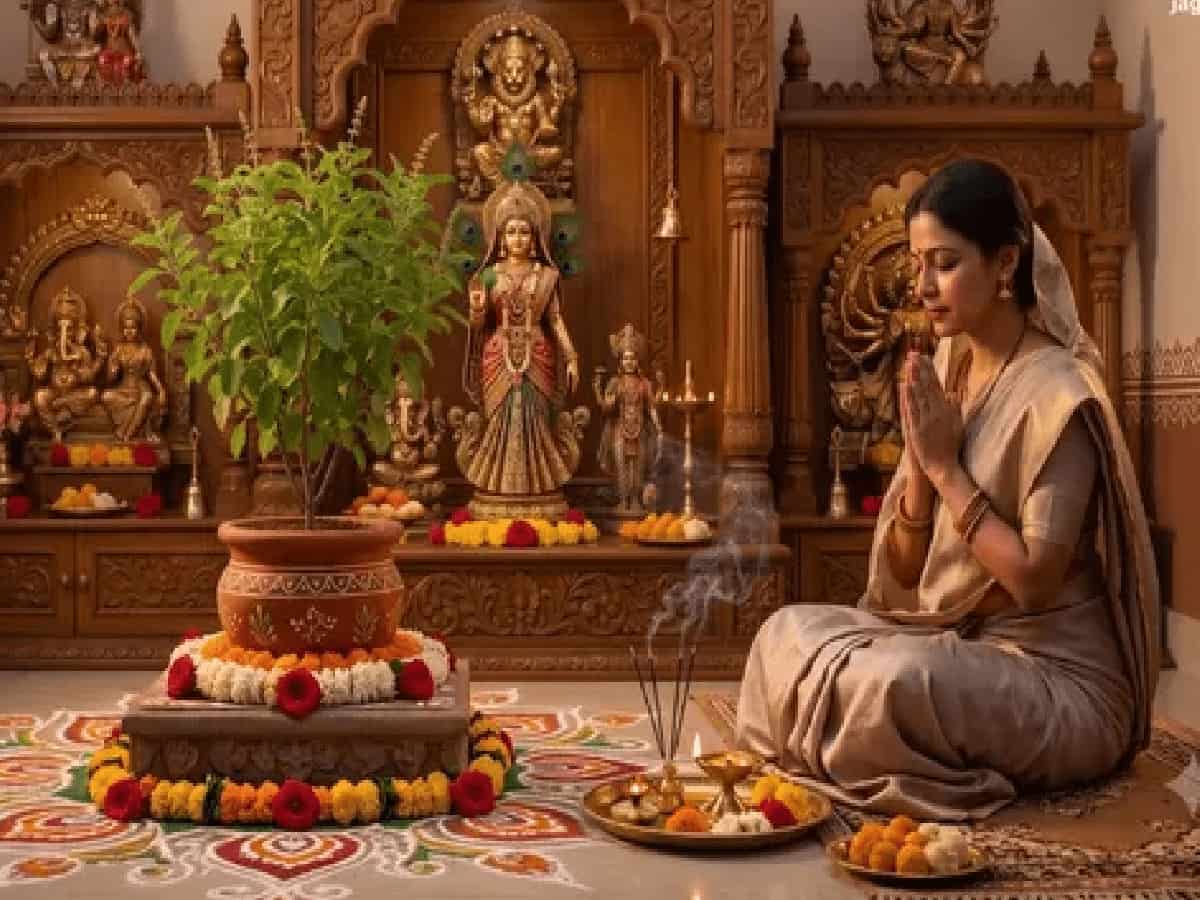
Installation and Offerings: Statues, images, or sanctified symbols representing the seven sages—Kashyapa, Atri, Bharadwaja, Vishwamitra, Gautama, Jamadagni, and Vashistha—are placed on a clean wooden platform. Devotees offer water, sandalwood paste, fresh flowers, sacred thread, incense, lamps, and naivedya.
-
Panchamrit Abhishek: In many regional traditions, ritual bathing with Panchamrit (milk, curd, honey, sugar, and ghee) is performed while chanting sacred hymns.
-
Fasting Observances: Participants observe a strict fast, consuming only permissible light meals or fasting entirely depending on personal health and family customs.