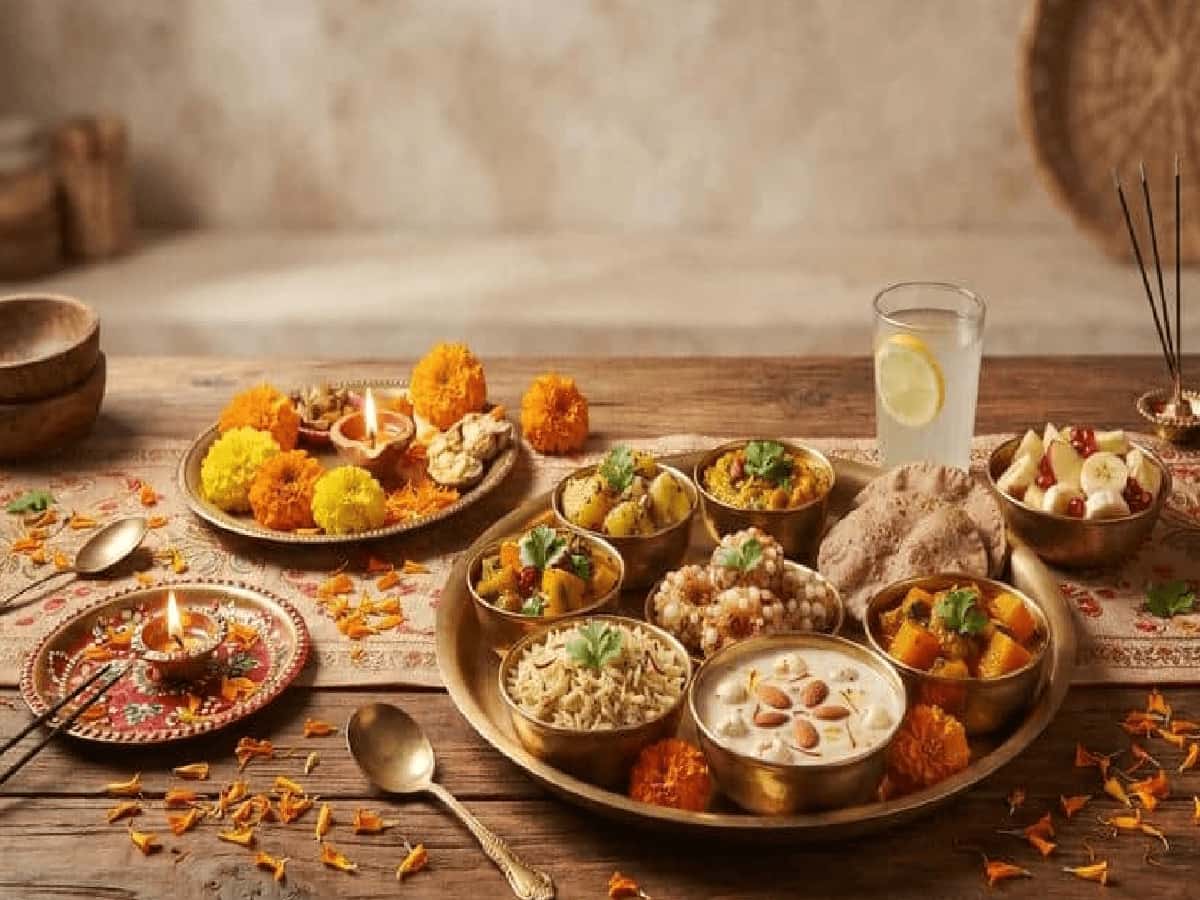
What to Eat, What to Strictly Avoid & Essential Ritual Guidelines Before October 11
The holy festival of Shardiya Navratri 2026 officially commences on Sunday, October 11, setting off a dedicated period of spiritual devotion, prayers, and traditional fasting across India. Devotees observing the sacred vrat dedicate these days to purifying body and mind, seeking the divine grace of Goddess Durga for peace, prosperity, and spiritual vitality. Maintaining the sanctity of the fast requires strict adherence to dietary and behavioral codes rooted in classical Ayurvedic and scriptural principles, where consuming prohibited foods or neglecting traditional guidelines is believed to disrupt spiritual merits.
Foods to Strictly Avoid: Tamasic Items and Prohibited Grains
Vedic customs strictly mandate abstaining from heavy, heating, and fermented foods to maintain inner purity during the nine-day observances:
-
Regular Grains and Pulses: Conventional dietary staples including wheat flour (atta), refined flour (maida), semolina (sooji), rice, and all varieties of lentils (daal) are prohibited for those keeping the vrat.
-
Onion, Garlic, and Non-Vegetarian Food: The intake of onions, garlic, meat, fish, eggs, and alcohol is entirely forbidden in fasting households, as these foods generate Tamasic and Rajasic energies.
-
Restricted Vegetables: Traditional practitioners avoid consuming specific vegetables such as brinjal (eggplant), jackfruit, mushrooms, and ladyfinger (okra) during the fast.
-
Processed Table Salt: Standard refined iodized white salt must not be used in fast preparations; only natural rock salt (sendha namak) is acceptable.
Permitted Fasting Diet: Pure Satvik Foods for Sustained Energy
Fasting devotees consume clean, easily digestible, and nutrient-dense Satvik ingredients to stay energized throughout the day:
-
Sacred Flours: Wholesome breads like rotis, parathas, or puris can be prepared using buckwheat flour (kuttu ka atta), water chestnut flour (singhare ka atta), or amaranth flour (rajgira atta).
-
Fasting Cereals and Sabudana: Classic vrat dishes like tapioca pearls (sabudana khichdi or vada) and barnyard millet (samak rice or sama ke chawal) are staple alternatives to regular grains.
-
Dairy Products: Whole milk, fresh curd, homemade paneer, unsalted butter, buttermilk, and lassi can be consumed to provide healthy protein and hydration.
-
Fresh Fruits and Dry Fruits: All seasonal fruits, along with almonds, cashews, raisins, walnuts, and makhana (fox nuts), can be eaten raw or roasted in pure desi ghee.
Crucial Dos and Don'ts: Mistakes to Avoid During the Fast
Beyond dietary discipline, scriptures outline specific behavioral protocols that devotees must follow:
-
Grooming Restrictions: Cutting hair, trimming beards or moustaches, and clipping nails are prohibited throughout the nine days of Navratri.
-
Leather Items Barred in Pooja Areas: Leather accessories such as belts, shoes, jackets, and wallets should never be worn or brought into the prayer altar or temple sanctum.
-
Do Not Leave Home Unattended: If you have established the sacred Kalash (Ghatasthapana) or lit the eternal flame (Akhand Jyoti), tradition requires that the house is never locked or left completely empty and unattended.