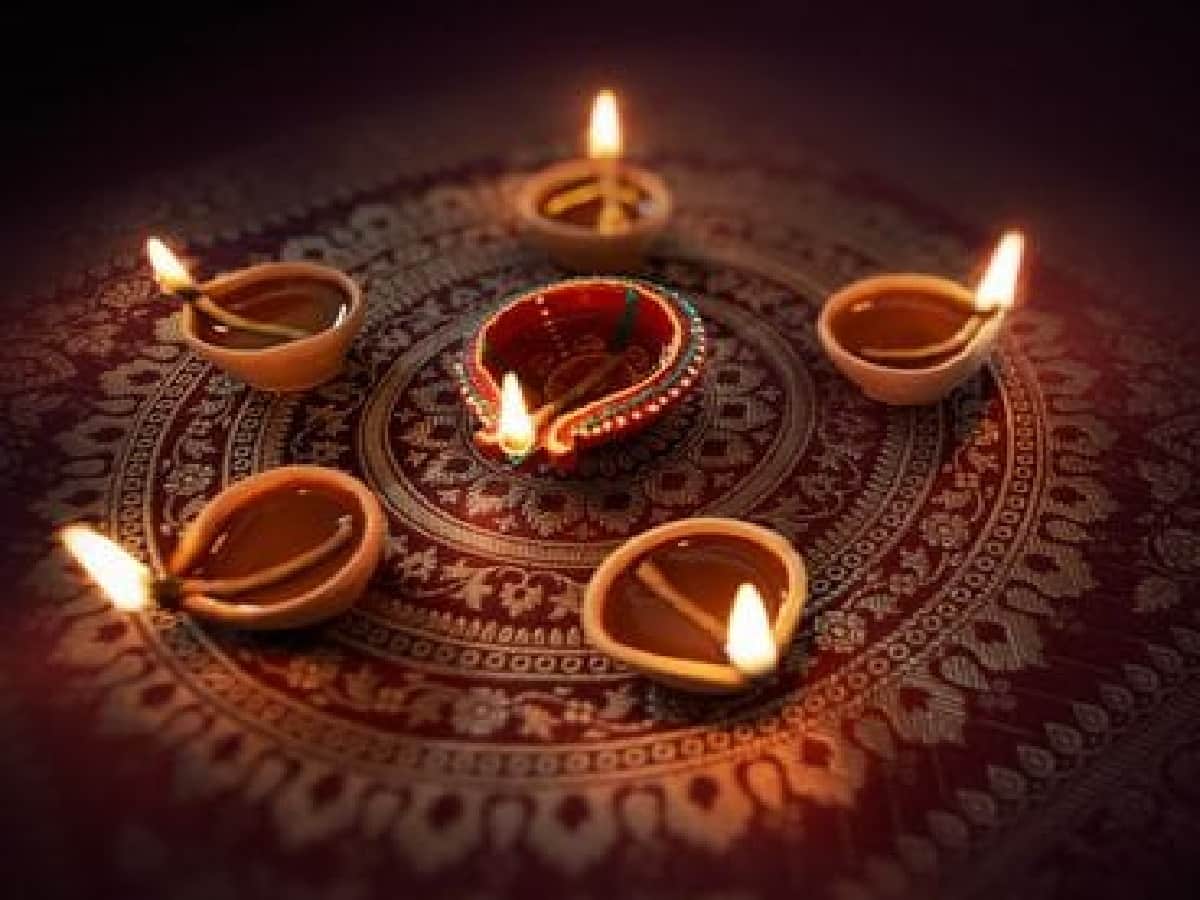
Vastu Alert: 5 Places to Never Light a Diya
In the architectural and spiritual tradition of Vastu Shastra, lighting an oil or ghee lamp (diya) is revered as one of the most effective methods to dispel darkness, neutralize negative environmental vibrations, and invite divine blessings into the household. The flame symbolizes the fire element (Agni Tattva), which purifies energy currents and attracts abundance when aligned with cosmic directions. However, placing a sacred lamp in inappropriate or impure areas can disrupt the delicate energy balance of a home, converting positive vibrations into mental stress, familial discord, and financial stagnation. Adhering to shastric guidelines regarding exact placement, cleanliness, and directional orientation is vital for ensuring that the light brings prosperity rather than unintended negative consequences.
Inappropriate Zones: Where You Should Never Place a Sacred Diya
Vastu Shastra outlines strict prohibitions regarding specific locations inside a residence where a lamp must never be lit. Placing a diya directly beside the bed or on bedside nightstands in the bedroom is strongly discouraged, as the concentrated fire element in resting zones triggers insomnia, heightened anxiety, and interpersonal irritability between couples. Similarly, the hollow area situated directly beneath staircases is considered an energetically heavy, low-vibrational zone; lighting a lamp there creates an energetic conflict that hinders domestic progress, requiring that this under-stair space be kept uncluttered, clean, and unlit. Furthermore, positioning lamps inside or immediately adjacent to bathrooms and toilets is considered a major ritual taboo due to the presence of waste energies, which taints the sacred nature of the flame and drains positive vitality from the household.
Kitchen Precautions, Proper Flame Directions, and Sanctified Rituals
While lighting an evening lamp in the kitchen to honor Goddess Annapurna is a recognized ritual, its positioning requires meticulous care. A diya must never be set near wash sinks, garbage bins, or piles of unwashed utensils, as clashing water elements and accumulated dirt violate the sanctity of the ritual; it should only rest on an elevated, scrubbed kitchen platform away from drainage points. Directionally, Vastu principles emphasize that the flame of any lamp must face either the East to enhance health and spiritual wisdom, or the North to stimulate wealth and career opportunities, while keeping the flame strictly turned away from the West to prevent unnecessary expenditure. Practicing daily lamp lighting with pure devotion in spotless surroundings guarantees that the fire element fosters enduring peace, harmony, and prosperity across the domestic space.