







The Secret of Lord Brahma: Why Sowing Barley is Mandatory for Navratri Ghatasthapana
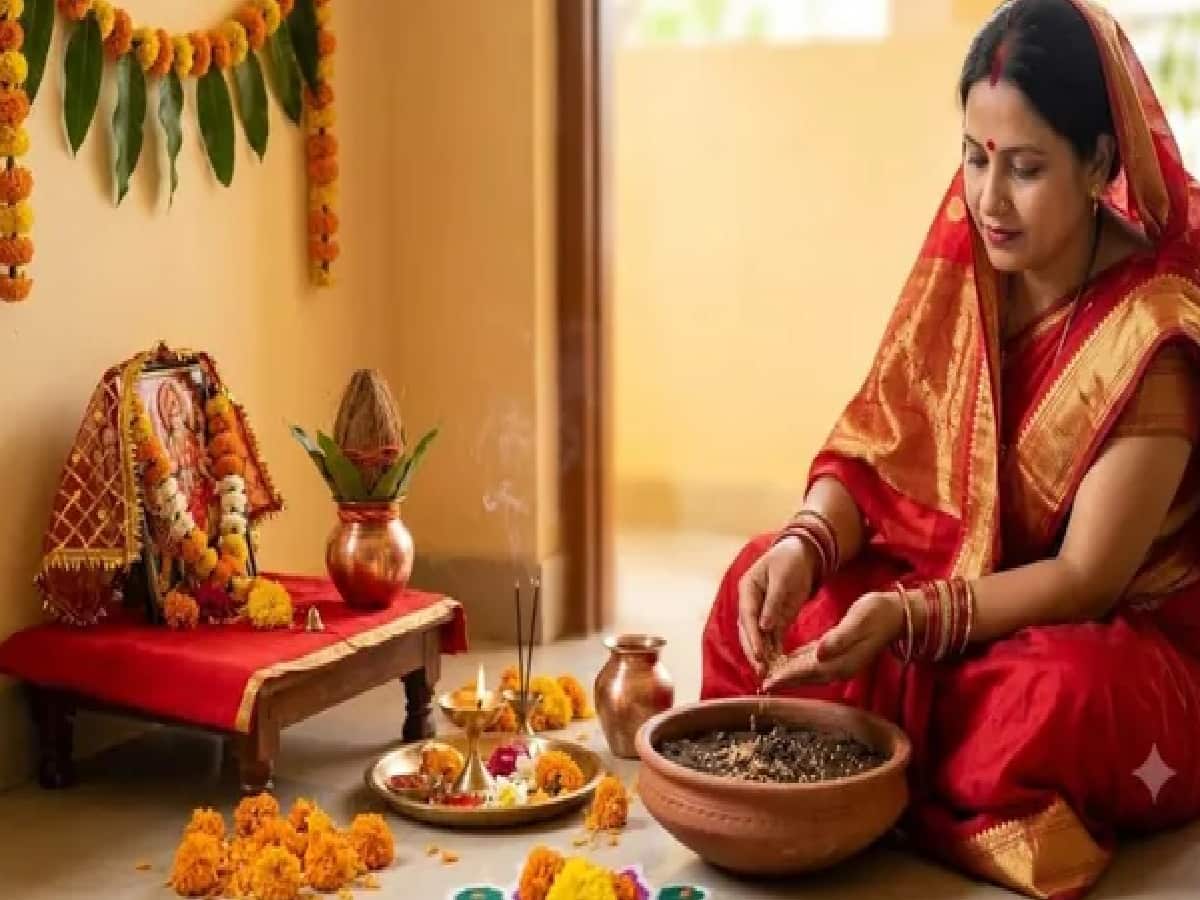
Sharadiya Navratri has officially commenced across India on Sunday, October 11, 2026, initiating nine days of profound spiritual austerity, fasting, and devotional prayers dedicated to invoking the divine grace of Goddess Durga. At the core of the opening day's religious observances lies the ritual of Ghatasthapana, or the ceremonial installation of the sacred Kalash, which is inextricably bound to the traditional practice of sowing barley (Jau) in an earthen vessel. Grounded in ancient Vedic cosmogony, barley is revered as the first grain and vegetation brought forth by Lord Brahma during the creation of the universe. Because it stands as an enduring emblem of cosmic origin, fertility, and completeness, scriptures honor barley as a direct manifestation of Brahma himself. Consequently, priests and scholars affirm that Ghatasthapana remains fundamentally incomplete without the ritual sowing of barley, an auspicious act believed to usher in domestic harmony, remove adversity, and secure the lasting blessings of Goddess Durga for the household.
Divine Symbol of Creation: Why Sowing Jau Completes Ghatasthapana
In Sanatan tradition, the ritual cultivation of barley throughout the festival carries deep spiritual meaning, as the growth and vibrancy of the emerging green shoots—known as Jaware—are regarded as an auspicious barometer of divine grace, prosperity, and peace within the family. The sanctified earthen pot housing the seeds is placed in the home temple immediately beside the deity's altar or the sacred Kalash of Mata Rani, where it is venerated alongside daily prayers and hymns offered to Goddess Durga. The life cycle of the sacred grain mirrors the spiritual progression of the festival; after nine days of continuous morning and evening worship, the tradition culminates following Kanya Pujan on the auspicious days of Ashtami or Navami. Once the ceremonial feeding of young girls is completed, devotees respectfully carry the sprouted barley and sanctified soil to immerse them in the flowing waters of a holy river along with the remaining puja materials, fulfilling the sacred cycle of devotion and renewal.
Traditional Step-by-Step Method: How to Sow Barley Correctly at Home
To perform this sacred practice with scriptural precision, devotees follow an established step-by-step procedure that begins on the eve of the festival. Observers first soak clean barley grains in fresh water overnight on the eve of Navratri to ensure healthy germination. The following morning, after completing customary ritual baths and dressing in fresh clothing, worshippers place pure, sifted soil inside an earthen pot selected for Ghatasthapana. A base layer of soil is leveled in the vessel, over which the soaked barley seeds are spread out evenly before being covered with a delicate, very thin layer of topsoil. Clean water is then sprinkled lightly over the surface to moisten the seeds without dislodging them, after which the vessel is formally placed adjacent to the Kalash of Goddess Durga. Devotees sprinkle a modest amount of water over the pot every day to nourish the sprouts while offering prayers directly to the barley during daily rituals, preserving the plant until its river immersion following Kanya Pujan.