







The Secret Behind Lord Shiva’s Joyful Kailash Tandava on Trayodashi
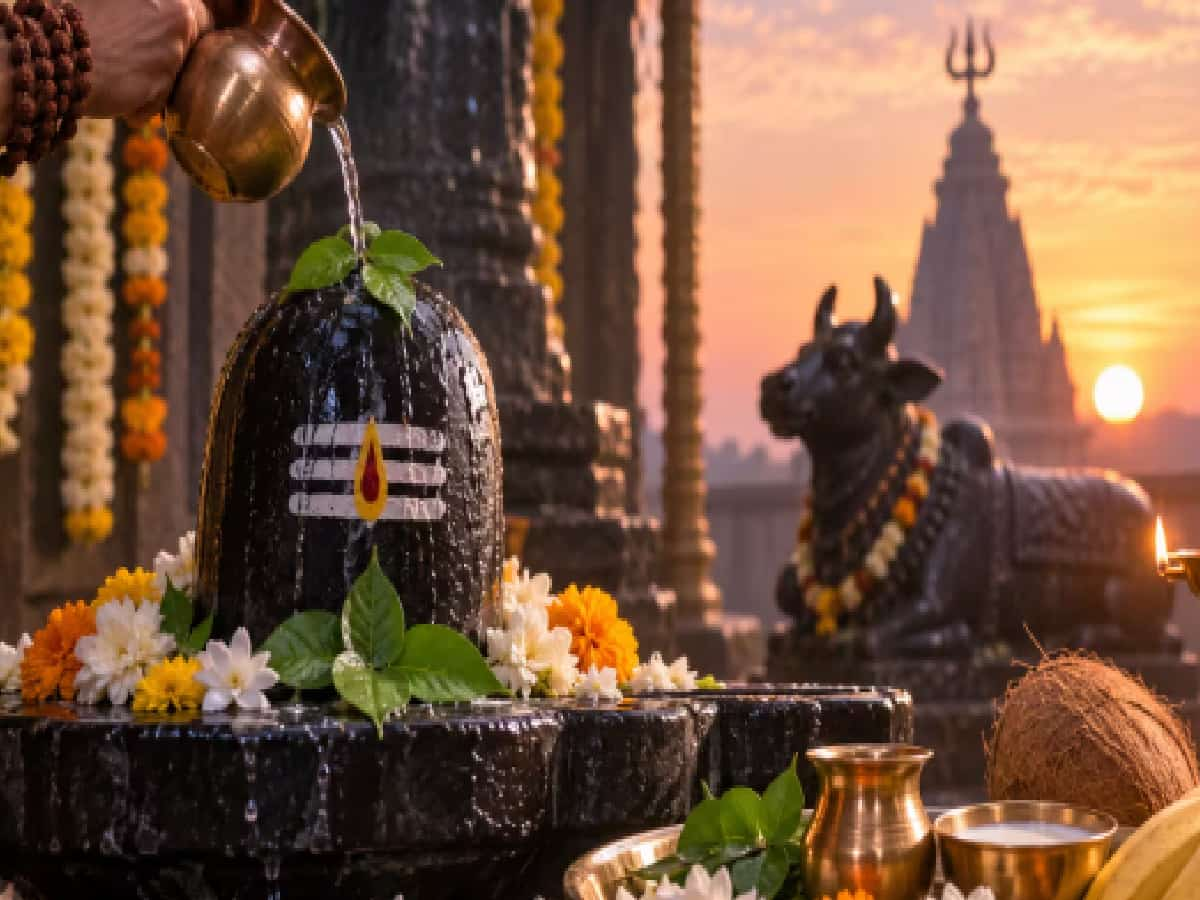
The sacred observance of Pradosh Vrat stands as one of the most venerated fortnightly rituals in Sanatan tradition, dedicated entirely to the joint invocation of Lord Shiva and Goddess Parvati. Falling on the Trayodashi Tithi (thirteenth lunar day) of both the Shukla and Krishna Pakshas every month, this fast is observed nationwide by devotees seeking freedom from karmic burdens, liberation from fear, and enduring domestic peace. For the ongoing Ashwin month, the auspicious Shukla Paksha Pradosh—traditionally known as Shukra Pradosh due to falling on a Friday—is being observed on Friday, October 23, 2026. While fasts are common across the Hindu calendar, this particular observance is unique because the core ritualistic worship of Mahadev does not take place in the morning, but strictly during Pradosh Kaal—the twilight threshold where day yields to night—a sacred custom deeply rooted in ancient Shaivite lore.
Ashwin Trayodashi 2026: Exact Shubh Muhurat and the Sacred Twilight Window
Astrological calculations from the Vedic panchang indicate that the Trayodashi Tithi of Ashwin Shukla Paksha commenced on Friday, October 23, at 2:35 PM and concludes on Saturday, October 24, at 1:36 PM. Because the primary condition of Pradosh Vrat mandates that the Trayodashi tithi must prevail during the evening twilight on the day of observance, October 23 holds complete religious authority. The most auspicious window for conducting Shiva Abhishekam and evening puja is scheduled between 5:58 PM and 8:29 PM, granting devotees an expansive two-and-a-half-hour sacred period. Scripturally defined as the sandhyakaal or dusk convergence when the sun sinks below the horizon, Pradosh Kaal is considered an energetically charged interlude when worldly vibrations settle, making human consciousness extraordinarily receptive to transcendental grace.
The Cosmic Ananda Tandava: Why Prayers at Dusk Please Mahadev Instantly
The foundational reason for worshipping Lord Shiva specifically during Pradosh Kaal lies in the sacred chronicle of his celestial dance atop Mount Kailash. Classical puranic texts reveal that at dusk on every Trayodashi, Mahadev enters an intensely blissful, ecstatic state and performs the Ananda Tandava (the dance of cosmic joy and creation) rather than his fierce dance of destruction (Rudra Tandava). During this mystical performance, Goddess Saraswati plays the divine veena, Lord Indra plays the flute, Lord Brahma keeps the rhythmic beats with cymbals, and Goddess Lakshmi sings hymns, while the entire celestial assembly gathers in reverent awe around the dancing Lord. Because Mahadev is in his most gratified, compassionate, and accessible aspect (Ashutosh) during this evening dance, ancient scriptures affirm that prayers, bilva leaf offerings, and water abhishekam offered during Pradosh Kaal directly reach the Supreme Lord, instantly dissolving sorrows, negating planetary distress, and showering devotees with health, prosperity, and spiritual fulfillment.




