The Sacred Origins and Line-by-Line Meaning of Ganpati Bappa’s Most Beloved Aarti
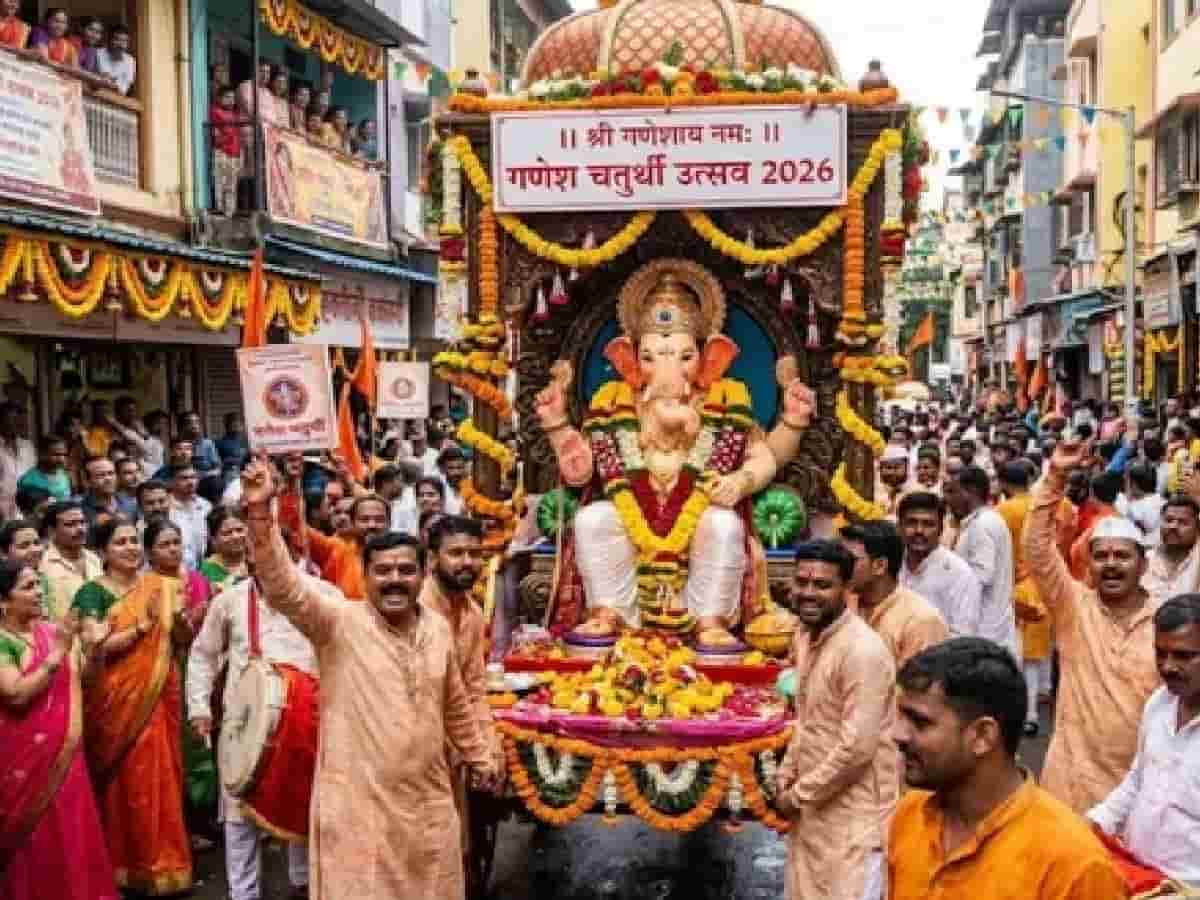
As the grand 10-day festival of Ganesh Chaturthi reverberates across India, temple pandals and domestic prayer altars resonate with the timeless chorus of "Sukhkarta Dukhharta Varta Vighnachi." Spanning the sacred period from Bhadrapada Shukla Chaturthi through Anant Chaturdashi, millions of devotees join hands to chant these rhythmic verses during daily morning and evening prayer rituals. While the melodic cadence is celebrated by devotees across the globe, the profound philosophical depth, rich poetic imagery, and 17th-century spiritual origin of this iconic Marathi hymn remain a fascinating journey into the heart of India's Bhakti tradition.
The Divine Genesis: How Saint Samarth Ramdas Penned the Hymn at Morgaon
The beloved hymn was composed by the revered 17th-century philosopher-saint and spiritual guide Samarth Ramdas Swamiji. Historical tradition holds that during his pilgrimage to the revered Mayureshwar (Moreshwar) Temple in Morgaon, Maharashtra—the paramount shrine of the Ashtavinayak circuit—Swamiji was overcome with profound divine awe upon gazing at the resplendent murti of Lord Ganesha. Deeply moved by the deity’s majestic aura, he channeled his ecstatic spiritual realization into seven rhythmic verses, immortalizing the divine attributes of Ganesha as the protector of righteous seekers and establishing the definitive liturgical anthem for generations of devotees.
Line-by-Line Spiritual Essence: From Dispeller of Agony to Bestower of Auspiciousness
The verses of the Aarti systematically unveil the physical splendor and metaphysical virtues of Lord Ganesha in deeply devotional imagery:
-
Dispeller of Agonies and Source of Supreme Bliss: “Sukhkarta Dukhharta Varta Vighnachi, Nurvi Purvi Prem Krupa Jayachi” — The opening refrain proclaims Ganesha as the sole creator of genuine happiness, the active destroyer of mortal grief, and the remover of worldly hindrances, who showers unfaltering maternal grace and deep love on those who call upon him.
-
Radiant Adornment and Divine Form: “Sarvangi Sundar Uti Shendurachi, Kanthi Jhalke Maal Muktaphalaanchi” — Depicts his luminous physical appearance, coated fully in auspicious red vermillion (Shendur) and fragrant sandalwood, his divine chest illuminated by a sparkling necklace of pure pearls.
-
The Auspicious Wish-Fulfiller: “Jai Dev Jai Dev Jai Mangal Murti, Darshanmatre Manakāmanā Purti” — The central chorus glorifies the embodiment of absolute auspiciousness (Mangal Murti), affirming that a single, pure-hearted glimpse (Darshan) fulfills all righteous wishes harbored within the devotee's consciousness.
-
Celestial Grace of Mother Gauri’s Son: “Ratnakhachit Phara Tujh Gaurikumara, Chandanachi Uti Kumkum Keshara” — Celebrates the divine son of Goddess Parvati, adorned with a dazzling diamond-encrusted crown, brow marked with sacred saffron, kumkum, and sandalwood paste, as his golden anklets ring softly with celestial music.
-
Vakratunda the Cosmic Guardian: “Lambodar Pitambar Phanivar Vandana, Saral Sonda Vakratunda Trinayana” — Invokes the great pot-bellied guardian wrapped in sacred yellow silk garments, girdled by the serpent King Vasuki, featuring an elegant trunk, a curved countenance, and the awakened third eye of supreme consciousness, watching over devotees during existential crisis (Sankati Paavave Nirvani Rakshave).
Spiritual Fruit: Wisdom, Progeny, and Complete Prosperity Through Devotion
The concluding stanzas of the seven-verse Aarti highlight the boundless spiritual and material boons showered upon surrendered seekers. Saint Samarth Ramdas notes that the eight supernatural powers (Ashta Siddhis) stand as obedient servants before Lord Ganesha, who shines with the brilliance of millions of suns (Suryakoti Samaprabha). Whoever seeks refuge with unwavering faith is blessed with family harmony, righteous descendants, abundant resources, and inner tranquility, reminding devotees this Ganesh Chaturthi that reciting the hymn with a clear understanding of its meaning elevates routine chanting into a transformative spiritual experience.