







Shubh Muhurat, Auspicious Timings & Step-by-Step Farewell Vidhi
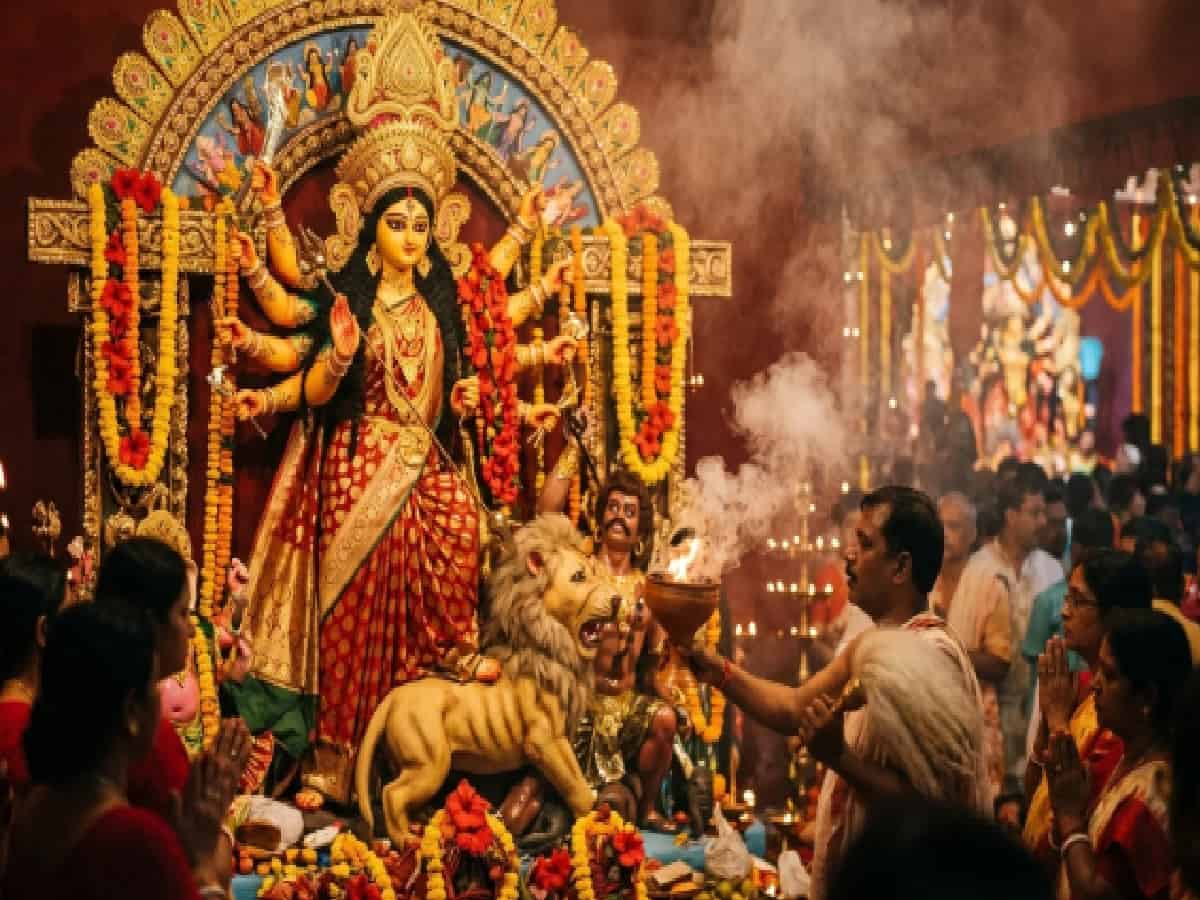
Following the spiritual culmination of Sharadiya Navratri, millions of devotees across India are observing Durga Visarjan on Tuesday, October 20, 2026, performing the sacred farewell rituals for Goddess Durga as she concludes her annual earthly stay and begins her divine return to Mount Kailash. Observed on the tenth day (Dashami tithi) of the bright fortnight of the Hindu lunar month of Ashwin, the ceremony of Durga Visarjan is considered immensely auspicious in Sanatana Dharma. Scriptural tradition emphasizes that bidding farewell to the Divine Mother with sincere devotion and ritual precision dissolves negative domestic energies while invoking enduring blessings of wealth, peace, and spiritual fortitude across households.
Astrological Timings: Dashami Tithi, Primary Visarjan Muhurat & Nakshatra Calendar
Astrological charts define a precise planetary window for executing the idol immersion rituals on Tuesday. The sacred Dashami Tithi of Ashwin Shukla Paksha formally commences at 12:50 PM on October 20, 2026, and remains active until 02:11 PM on Wednesday, October 21, 2026. Within this astrological span, the most auspicious period for performing the immersion—the Durga Visarjan Shubh Muhurat—is slated from 01:25 PM to 03:43 PM on October 20, providing devotees with an optimal duration of two hours and eighteen minutes. On the celestial front, Shravan Nakshatra, which commenced on October 19 at 03:38 PM, drew to a close at 06:02 AM on the morning of October 20. Devotees tracking key planetary alignments can also leverage the day’s other vital windows: Brahma Muhurta (04:51 AM to 05:41 AM), the highly celebrated Vijay Muhurta (02:11 PM to 02:57 PM) ideal for auspicious initiatives, the Twilight or Godhuli Muhurta (06:00 PM to 06:25 PM), and the late-night Nishita Muhurta (11:51 PM to 12:41 AM).
Step-by-Step Visarjan Vidhi: Consecration, Aarti, and the Sacred Forgiveness Prayer
Executing Durga Visarjan requires adhering to established Vedic protocol to ensure the deity’s departure is conducted with utmost reverence. Devotees must begin the day with a purifying morning bath, donning fresh, clean traditional garments before approaching the household altar. The ritual initiates by ceremonially bathing the deity through symbolic water oblations and presenting fresh, sanctified clothing, followed by the offering of fragrant flowers, sacred vermilion (kumkum), unbroken consecrated rice grains (akshat), and seasonal fruits. A ceremonial lamp fueled with pure cow desi ghee is lit, followed by the entire family congregating to recite the concluding Durga Aarti while presenting sanctified sweets, fruits, and bhog. Holding fresh flower blossoms and grains of rice in their folded hands, worshippers must offer their heartfelt prayers and recite the Kshama Prarthana (prayer for forgiveness), humbly seeking atonement for any unintentional mistakes, ritual omissions, or shortcomings committed during the nine days of Navratri worship. Following these home rituals, the consecrated idol is respectfully carried in a devotional procession to a sacred river, clean stream, or dedicated immersion tank, where devotees submerge the murti while meditating deeply upon Maa Durga’s divine form, ensuring her spiritual protection remains permanently anchored in their lives.




