







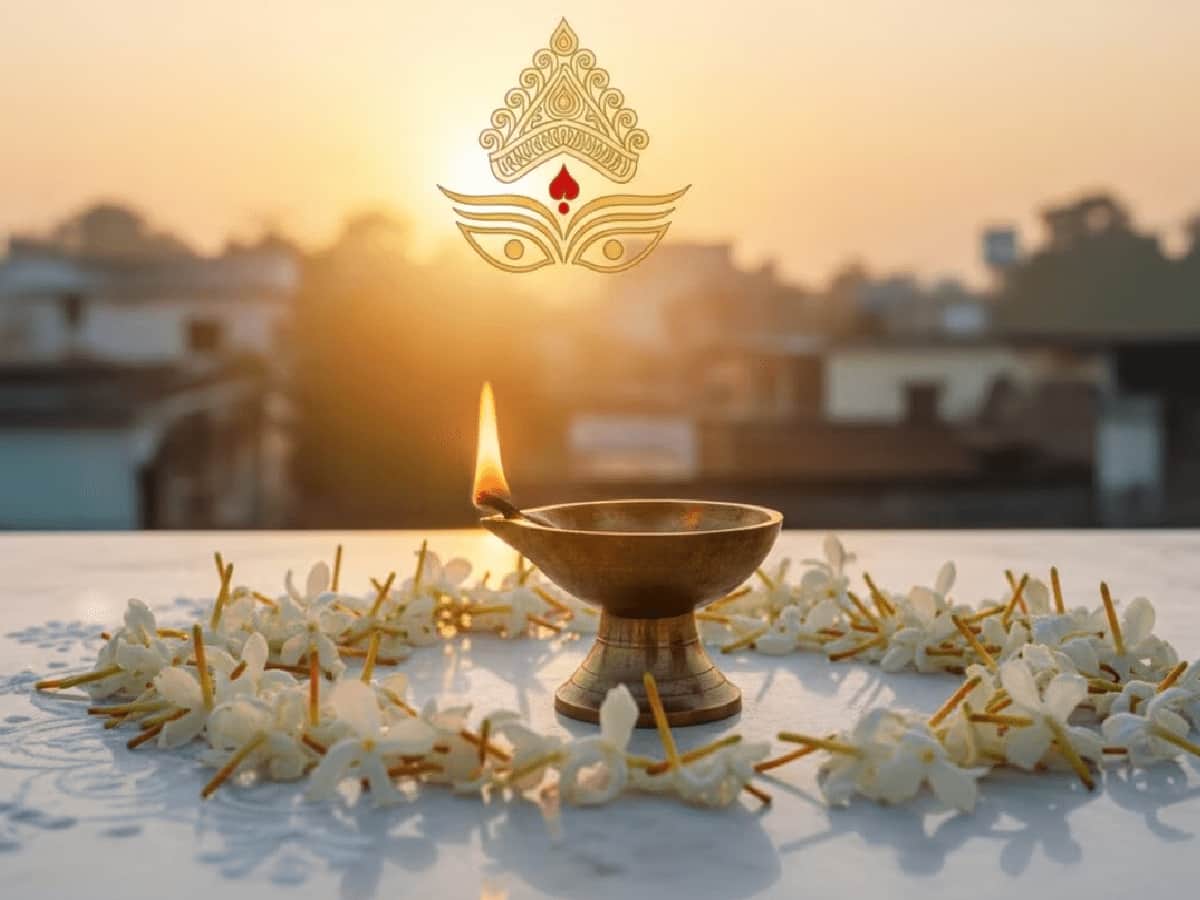
Shardiya Navratri 2026 Diya Remedies: Add These 9 Sacred Ingredients to Your Oil Lamp
The festive spirit of Shardiya Navratri 2026 has gripped devotees across the nation, beginning on October 11 and culminating on Vijayadashami, Tuesday, October 20. As temples and elaborately decorated puja pandals reverberate with sacred chants, devotees are actively engaging in timeless Vedic practices to appease Maa Durga and welcome auspicious energy into their domestic spaces. Beyond the fundamental customs of fasting (vrat) and reciting hymns, ancient astrological and scriptural traditions emphasize the ritual of lighting an earthen lamp (diya) enriched with specific natural elements for each of the nine sacred nights. For individuals who missed the opening days, spiritual scholars advise adopting these specific additions for the remainder of the festival to dissolve chronic obstacles, dispel the evil eye, and invite long-term financial abundance.
The First Four Days: Shielding the Entrance, Enhancing Relationships, and Courting Wealth
The initial segment of Navratri focuses on establishing a sanctified aura, pacifying turbulent planetary energies, and opening pathways for domestic harmony:
-
Day 1 (Maa Shailputri - Cloves): On the inaugural day dedicated to the daughter of the mountains, place two intact whole cloves (laung) into a ghee or sesame oil lamp lit near the home's main threshold. This ancient remedy creates an energy shield against negative vibrations and keeps malevolent eyes away from the household.
-
Day 2 (Maa Brahmacharini - Green Cardamom): Devoted to ascetic penance and devotion, the second evening requires adding a crushed green cardamom (elaichi) pod to the twilight lamp at the entrance. This offering is believed to smooth relational friction, foster domestic sweetness, and open doors for economic stability.
-
Day 3 (Maa Chandraghanta - Camphor Piece): To invoke the protective grace of the bell-adorned deity, drop a small tablet of pure camphor (kapoor) into the flame. The purifying aroma clears mental fog among family members, relieves restless anxiety, and secures psychological tranquility across the living space.
-
Day 4 (Maa Kushmanda - Kumkum and Rice Grains): Dedicated to the cosmic creator Goddess Kushmanda, the fourth day's ritual requires placing five unbroken sacred rice grains (akshat) along with a pinch of vermilion (kumkum) in the lamp. This specific offering invokes the combined benevolence of Goddess Durga and Goddess Mahalakshmi to attract sustained material fortune.
Days Five to Nine: Overcoming Fears, Fulfilling Wishes, and Unlocking Business Growth
As Navratri progresses into its high-energy concluding phases, each specific botanical ingredient works to activate distinct protective and prosperity vibrations:
-
Day 5 (Maa Skandamata - A Pinch of Turmeric): Worshipping the mother of Lord Kartikeya calls for adding a pinch of pure turmeric (haldi) powder to the diya. This element maintains spiritual cleanliness within the home while insulating family members from chronic stress and unseen negative entities.
-
Day 6 (Maa Katyayani - Rose Petals and Honey): On the sixth evening honoring the fierce warrior goddess, blend two fresh red rose petals along with a drop of raw honey into the lamp's base. This sacred infusion balances emotional intensity, nurtures inner peace, and dramatically enhances harmonious energetic flow.
-
Day 7 (Maa Kaalratri - Black Sesame Seeds): Dedicated to the fierce destroyer of darkness, the twilight diya on Saptami should contain a scattering of black sesame seeds (kale til). This potent remedial step dispels chronic phobias, neutralizes planetary afflictions, and acts as a fortress against malefic psychic influences.
-
Day 8 (Maa Mahagauri - Rock Sugar Crystals): On auspicious Maha Ashtami, placing two solid grains of rock sugar candy (mishri) in the ceremonial lamp is traditionally believed to attract grace that fulfills deep-seated prayers and resolves persistent domestic hardships.
-
Day 9 (Maa Siddhidatri - Cinnamon and Bay Leaf): Concluding the sacred nine nights on Maha Navami, infuse the final ceremonial diya with a small piece of cinnamon bark (dalchini) and a dry bay leaf (tejpatta). Performing this concluding rite is said to bestow total fulfillment (siddhi), clear stalled career roadblocks, and generate lucrative breakthroughs in commercial trade and enterprise.




