Sharadiya Navratri: Day-by-Day Guide to 9 Auspicious Colors to Wear for Goddess Durga
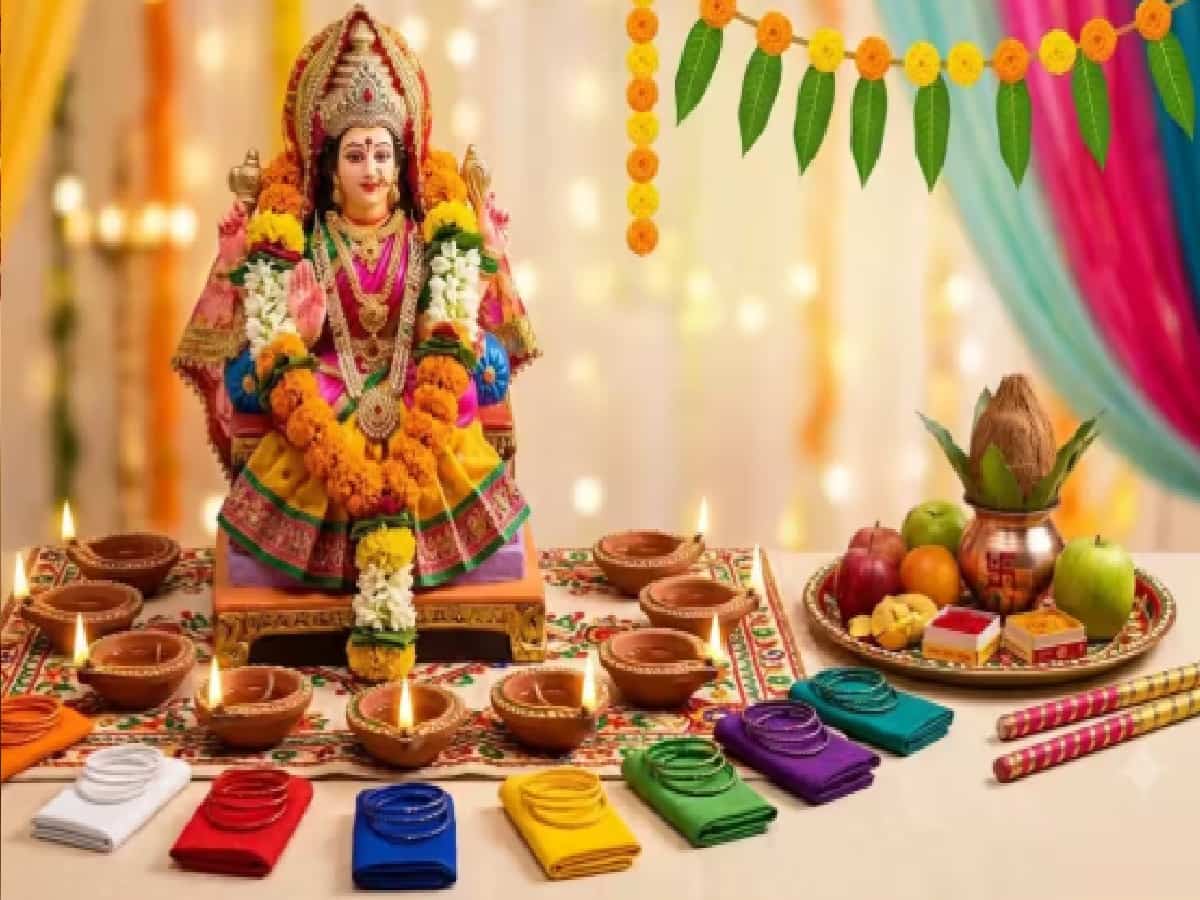
Sharadiya Navratri has officially commenced across India on Sunday, October 11, 2026, marking the beginning of nine sacred days dedicated to worshipping the nine distinct manifestations of Goddess Durga (Navdurga). According to Vedic astrology and traditional Hindu scriptures, observing these holy days with sincere devotion invites domestic peace, spiritual fulfillment, and positive life transformations. A central facet of the festivities is dressing in the specific sacred hues favored by each divine incarnation on their designated day of reverence. Astrological scholars emphasize that donning these prescribed colors during daily morning rituals and evening aartis harmonizes spiritual energies, pleases the Mother Goddess, and maximizes the auspicious fruits of the nine-day fast.
Days 1 to 4: Sacred Hues for Maa Shailputri, Brahmacharini, Chandraghanta, and Kushmanda
The festival begins on the first day with the veneration of Goddess Shailputri, where devotees are advised to wear yellow or vibrant orange attire to attract pure joy, radiant vitality, and auspicious beginnings into their households. On the second day, which honors Goddess Brahmacharini, white is the designated color of sanctity; adorning white garments pleases this ascetic manifestation while cultivating deep inner peace, mental clarity, and spiritual concentration during meditation. The third day is dedicated to Goddess Chandraghanta, the fierce protector adorned with the crescent moon, whose worship is complemented by wearing bright red attire, a shade representing intense devotion, courage, and unconditional surrender to the divine mother. On the fourth day, devotees perform rituals for Goddess Kushmanda, the radiant creator of the cosmos, who favors royal dark blue; wearing dark blue clothes during this day's puja is believed to bestow good fortune and auspicious outcomes.
Days 5 to 9: Color Codes for Skandamata, Katyayani, Kaalratri, Mahagauri, and Siddhidatri
On the fifth day, worship focuses on Goddess Skandamata, the mother of Lord Kartikeya, where devotees wear green apparel to welcome fertility, growth, and the Goddess’s maternal grace. The sixth day belongs to Goddess Katyayani, the warrior slayer of Mahishasura; wearing subtle grey attire on this occasion is believed to maintain emotional stability, balance, and mental equilibrium amid worldly stresses. The seventh day honors the fierce Goddess Kaalratri, where adorning purple or deep orange garments is considered vital for repelling negative energies, banishing fears, and neutralizing malefic planetary influences. On the eighth day (Ashtami), devotees seek the benevolent blessings of Goddess Mahagauri by wearing soft pink clothes, an auspicious shade associated with compassion, harmony, and renewed optimism. Finally, on the ninth day (Navami), the cycle concludes with rituals dedicated to Goddess Siddhidatri, the bestower of all mystical accomplishments, where wearing serene light blue attire symbolizes divine intellect, boundless wisdom, and lasting success in all personal endeavors.