Sharadiya Navratri 2026: Clear This Clutter Before Oct 11 to Welcome Maa Durga
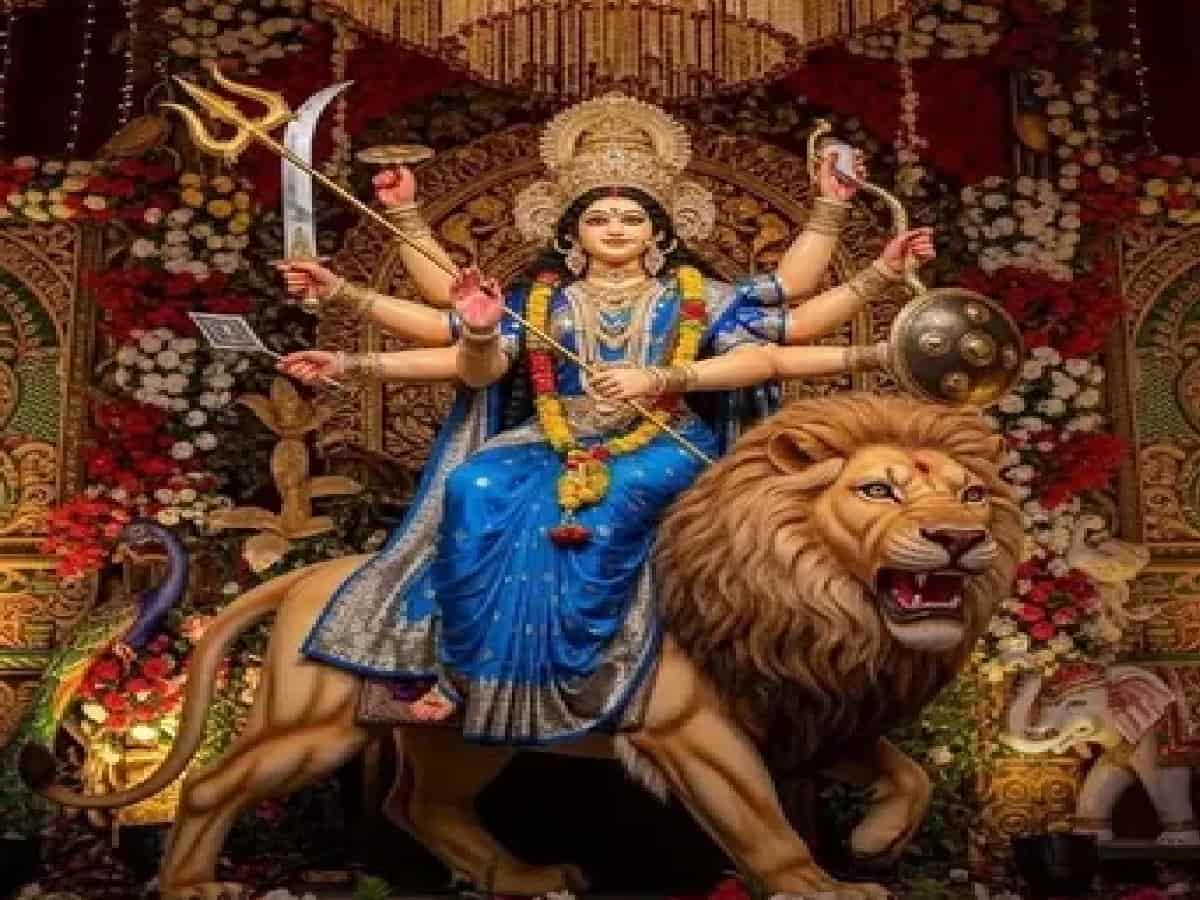
The vibrant Hindu festival of Sharadiya Navratri is set to begin immediately following the conclusion of Pitru Paksha. According to the traditional Hindu panchang, the sacred nine-night festival will commence on Sunday, October 11, 2026, with Ghatasthapana (Kalash Sthapana) and conclude with Vijayadashami (Dussehra) celebrations on Tuesday, October 20, 2026. Across these nine auspicious days, devotees worship the nine distinct divine manifestations of Goddess Durga, known collectively as the Navadurgas. Scriptural beliefs dictate that the divine feminine energy resides exclusively in households where purity, sattva, and thorough physical cleanliness are prioritized, prompting millions of families to undertake extensive decluttering rituals prior to the festival's commencement.
Complete Sharadiya Navratri 2026 Day-by-Day Calendar and Manifestations
The nine-day schedule observes the following divine manifestations and rituals across the festive period:
| Date | Tithi & Ritual | Divine Form of Goddess Durga |
| October 11, 2026 | Pratipada & Ghatasthapana | Maa Shailputri Puja |
| October 12, 2026 | Dwitiya | Maa Brahmacharini Puja |
| October 13, 2026 | Tritiya | Maa Chandraghanta Puja |
| October 14, 2026 | Chaturthi | Maa Kushmanda Puja |
| October 15, 2026 | Panchami | Maa Skandamata Puja |
| October 16, 2026 | Shashthi | Maa Katyayani Puja |
| October 17, 2026 | Saptami | Maa Kalaratri Puja |
| October 19, 2026 | Ashtami & Navami | Maa Mahagauri & Maa Siddhidatri (Maha Navami) |
| October 20, 2026 | Dashami | Vijayadashami & Durga Visarjan (Dussehra) |
Vastu Decluttering Guide: Items to Discard Before Maa Durga's Divine Arrival
To eliminate lingering negative energies and create a spiritually receptive sanctum for the Goddess, Vedic and Vastu principles strictly advise removing specific broken and unused household items:
-
Damaged Idols and Faded Photographs in Puja Rooms: The household temple must undergo comprehensive purification. Any chipped clay idols, broken marble murtis, or torn, faded religious portraits must be removed from the altar. Clay idols should be respectfully buried in garden soil or placed beneath a sacred tree, while paper depictions should be immersed in a flowing water body following ritual decorum.
-
Stopped and Broken Wall Clocks: A stopped or malfunctioning timepiece symbolizes paralyzed progress and stagnant fortune. Retaining broken clocks creates energetic delays in career and business milestones, making their immediate repair or removal essential.
-
Worn-Out Footwear, Damaged Brooms, and Old Clothes: Accumulating tattered garments, cracked footwear, and unserviceable household goods in storage corners attracts domestic sluggishness. Similarly, keeping a damaged, splintered broom or broken mirrors and cracked glassware radiates discordant vibes and heightens family friction.
-
Non-Functional Electronics and Rusty Kitchen Utensils: Defective electronic gadgets, dead batteries, and corroded iron or bronze utensils produce heavy tamasic vibrations. Clearing out these unwanted mechanical items ensures the unobstructed flow of vital cosmic energy, paving the way for spiritual peace, happiness, and material prosperity throughout Navratri.