






Seeking Ancestral Blessings This Pitru Paksha, Sacred Daan Checklist to Dissolve Pitru Dosh
The sacred fortnight of Pitru Paksha holds extraordinary spiritual importance in Sanatana Dharma as an exclusive period consecrated to remembering, honoring, and offering gratitude to departed forebears through Shraadh, Tarpan, and Pind Daan. While offering water and sacred barley cakes forms the ritual backbone of ancestral rites, ancient scriptures underline that righteous charitable giving (Daan) is the ultimate spiritual key to pacifying ancestral souls, securing long-lasting domestic harmony, and dissolving persistent karmic afflictions known as Pitru Dosh. As the ongoing Pitru Paksha cycle progresses toward its grand culmination on Sarvapitru Amavasya on October 10, 2026, offering specific prescribed items with pure devotion ensures boundless blessings, generational prosperity, and lineage protection for the entire household.
Black Sesame and Silver: The Most Auspicious Scriptural Offerings for Ancestors
Vedic scriptures specify particular elements that carry direct spiritual resonance with the ancestral realm (Pitru Loka):
-
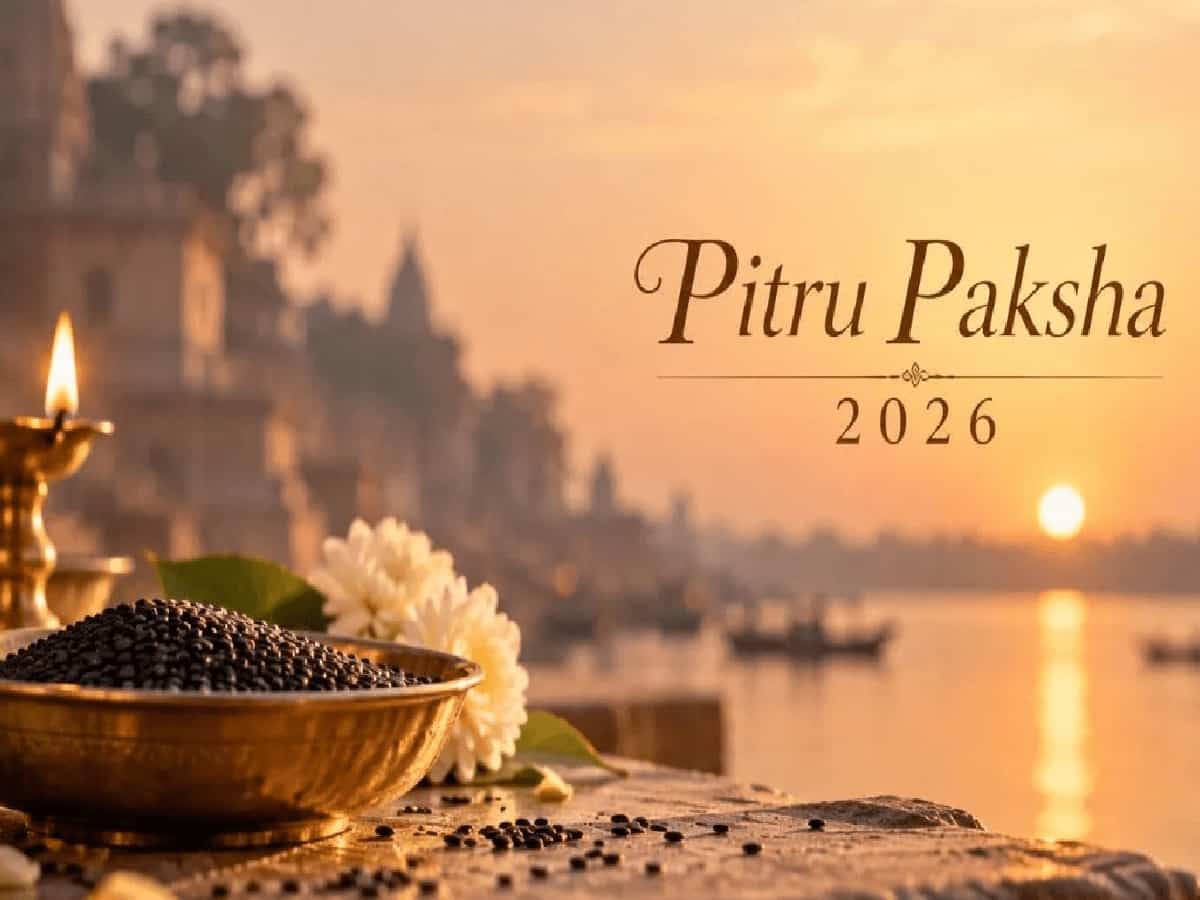
Black Sesame Seeds (Kala Til): Considered the foremost offering in any ancestral rite, donating black sesame seeds carries profound puranic sanctity. Sourced from the sweat of Lord Vishnu in sacred lore, offering black sesame in charity pleases the ancestors instantly, destroys negative planetary energies, and helps an individual overcome protracted personal crises and legal hurdles swiftly.
-
Silver Utensils and Coins (Chandi Daan): For devotees who can afford it, donating pure silver articles—such as silver coins, bowls, tumblers, or plates—is revered as a supreme offering. Governed by the Moon and associated with elemental purity, silver invokes ancestral peace, stabilizes family finances, and draws sustained abundance and prosperity into the home.
Anna Daan and Vastra Daan: Feeding Lineages and Gifting New Attire
Directly fulfilling basic physical needs through charitable service yields immediate karmic merit during Shraadh rites:
-
Food Grains and Cooked Meals (Anna Daan): Sponsoring nutritious meals for deserving Brahmins and distributing staple food grains like wheat, uncooked rice, and pulses to the impoverished is central to Pitru Paksha. Vedic wisdom dictates that feeding the hungry during this fortnight directly satisfies ancestral hunger, bestowing longevity, robust health, and unbroken lineage growth (Vansh Vriddhi).
-
Fresh and Clean Clothes (Vastra Daan): Presenting new, unstitched, or stitched garments such as dhotis, kurtas, or shawls to priests and needy individuals provides spiritual comfort to ancestors. Ritual texts strictly forbid giving away worn, faded, or torn clothing, emphasizing that only respectful, unworn garments bring auspicious returns.
Everyday Essentials: Books, Ghee, Salt, and Household Utilities
Beyond traditional offerings, donating daily necessities creates holistic domestic well-being:
-
Sacred Texts and Knowledge (Vidya Daan): Donating spiritual scriptures, religious books, or educational materials to students and temple libraries enhances wisdom and removes intellectual obstacles for younger generations.
-
Pure Cow Ghee and Raw Salt: Donating pure desi cow ghee fuels sacred sacrificial lamps and promotes vitality, while raw sea or rock salt is believed in folk traditions to absorb lingering negative domestic vibrations and banish dark energies.
-
Household Utensils and Necessities: Donating sturdy kitchen utensils, umbrellas, footwear, and bedding to those without shelter honors ancestors through compassionate utility, ensuring sustained peace and comfort for the donor's family.
Golden Rules of Daan: Essential Etiquette to Safeguard Spiritual Merit
Scriptural codes caution that inappropriate intentions or improper conduct can neutralize the positive effects of charitable offerings:
-
Selfless Giving Without Ego: All charitable offerings must stem from genuine gratitude toward ancestors rather than vanity, social ostentation, or a desire for public praise; showing off your donations strips them of spiritual value.
-
Expressing Silent Gratitude: While presenting any gift, mentally visualize your departed parents and grandparents, humbly requesting their forgiveness and seeking their eternal protection over your descendants.
-
The Sacred Right Hand: In strict accordance with Vedic ritual protocols, all offerings, dakshina envelopes, and prasad must be handed over using the right hand.
-
Strict Avoidance of Impure Items: Never donate stale food, spoiled grains, damaged utensils, or second-hand torn clothes during Shraadh ceremonies, as inauspicious gifts invite domestic discord.
-
Guarding the Vow of Secrecy: Once charity has been performed and dakshina offered to a worthy Brahmin or needy recipient, refrain from boasting or repeatedly discussing the donated amount in social gatherings, preserving the sacred merit in silence.