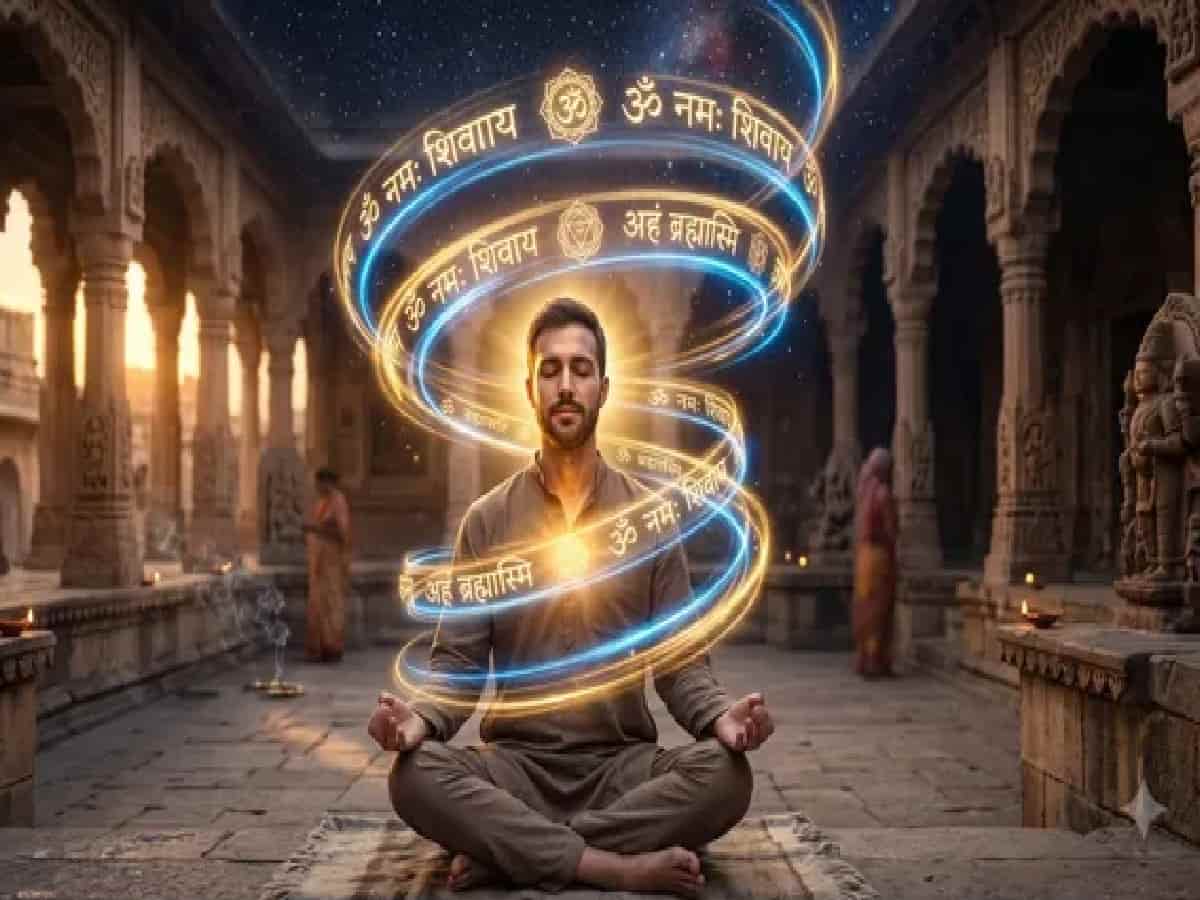
Sacred Power of Chanting Mantras with Closed Eyes: Spiritual Rules and Hidden Energy Explained
Within Vedic traditions and Sanatan Dharma, everyday spiritual rituals are underpinned by precise metaphysical laws designed to align human consciousness with divine energy. Central to these devotional practices is the recitation of sacred mantras with closed eyes. While often viewed simply as a posture of personal reverence, spiritual scholars and yogic practitioners emphasize that closing the physical eyes during japa (recitation) forms a crucial energetic shield. This practice prevents the restless conscious mind from scattering outward, redirecting vital life force inward to maximize the spiritual, psychological, and physiological fruits of devotional meditation.
The Metaphysical Science Behind Inward Meditation and Chakra Alignment
Spiritual traditions explain that chanting sacred syllables with closed eyes allows the practitioner to transcend external sensory stimulation and unify bodily energy centers. Rather than allowing visual input to distract cognitive awareness, closing the eyelids activates internal focus toward the Ajna Chakra, positioned between the eyebrows. This intentional inward focus helps align the body's subtle energy vortices simultaneously, enabling the acoustic vibrations and spiritual resonance of each chant to circulate unhindered through the nervous system. As a result, the practitioner experiences an undisturbed energetic flow, turning mechanical vocal repetition into a transformative spiritual conduit.
Eliminating Cognitive Restlessness and Deepening Divine Communion
The human mind is inherently dynamic and reactive to visual environments. Reciting sacred verses with open eyes often invites subtle subconscious distractions, diluting meditative intent and weakening spiritual communion. By shutting out ambient visual stimuli, devotees anchor their complete awareness to the acoustic resonance and subtle meaning of the holy syllables. This undistracted concentration allows for seamless continuity through traditional 108-bead mala cycles, establishing an intimate bridge between the individual soul and the divine without mental fatigue or cognitive fragmentation.
Core Scriptural Disciplines for Effective Mantra Recitation
To harness the comprehensive benefits of sacred sound, ancient texts prescribe deliberate parameters for daily chanting rituals. A devotee should first establish a clear mental sankalpa (conscious intention), determining the specific sacred verse and fixing the exact number of cycles beforehand. The practice should take place in a clean, quiet space to safeguard devotional rhythm. Holding a dedicated japa mala, the seeker gently closes their eyes, anchors breath awareness, and begins reciting the mantra with deliberate pace and unhurried clarity, transitioning gradually from vocal pronunciation into silent, internal mental recitation to welcome divine grace.