







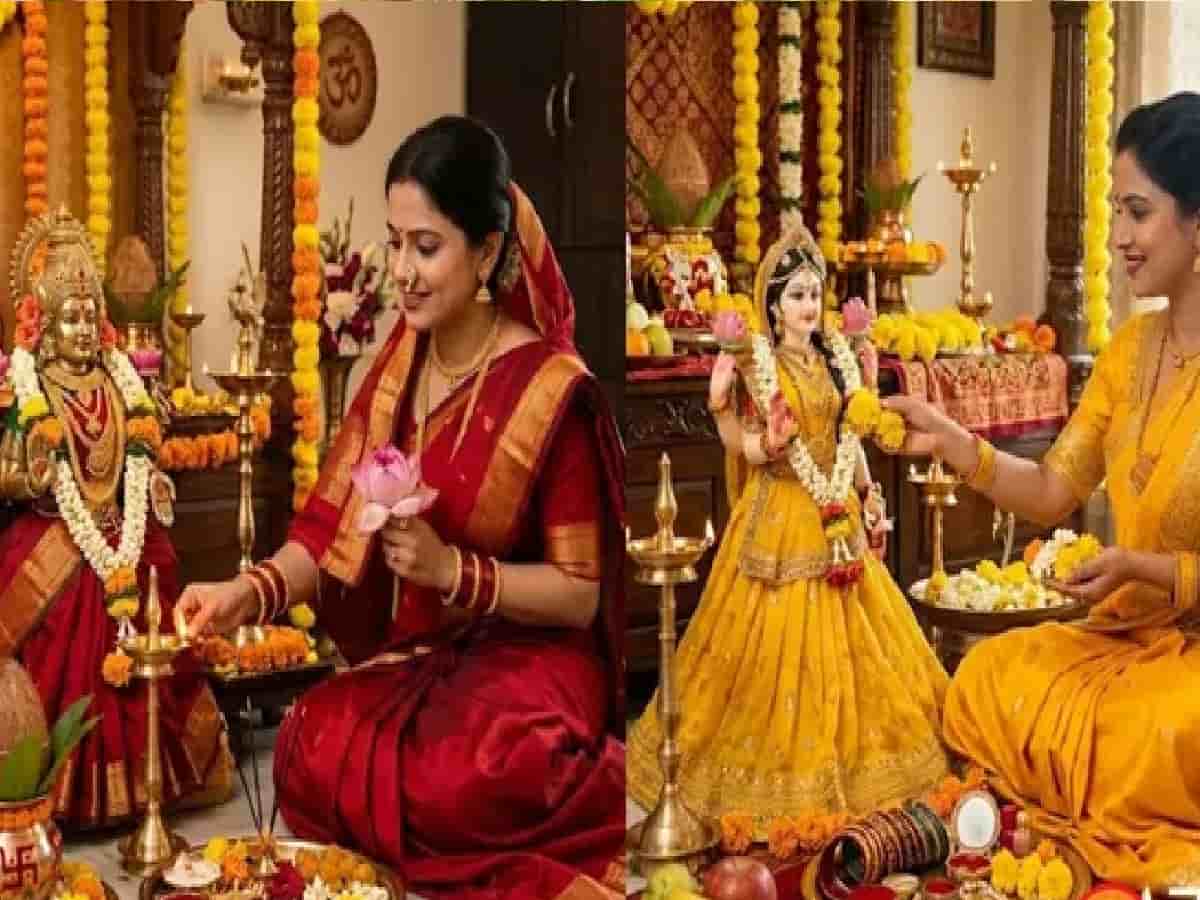
Rare Mahasandhi on September 19: Radha Ashtami and 16-Day Mahalakshmi Vrat Align
A rare and spiritually potent celestial alignment unfolds across the country on Saturday, September 19, 2026, creating an extraordinary "Mahasandhi" on the Ashtami Tithi of Shukla Paksha in the month of Bhadrapada. On this day, devotees celebrate Radha Ashtami—the divine appearance anniversary of Shri Radha Rani—alongside the commencement of the rigorous 16-day Mahalakshmi Vrat dedicated to Goddess Lakshmi, the divine embodiment of wealth, luck, and abundance. Because both major observances share the same date, millions of seekers and household practitioners are seeking clarity on how to balance both sacred traditions without ritual clash, coordinating exact Vedic muhurats to invoke the simultaneous grace of Kishori Ji and Maha Dhana Lakshmi.
Sacred Timing for Radha Ashtami Puja: Auspicious Midday Window Revealed
The prime period for Radha Ashtami worship is traditionally focused around midday, reflecting the divine hour when Shri Radha Rani manifested in the holy land of Barsana. For Saturday, September 19, the most propitious window to conduct Shri Radha Rani's abhishek and ceremonial rituals extends from 11:01 AM to 1:28 PM. Performing your devotional offerings within this span is considered exceptionally fruitful for attracting domestic bliss, spiritual elevation, and matrimonial harmony.
Radha Ashtami Ritual Guidelines: Step-by-Step Vidhi for Kishori Ji's Grace
Devotees should begin the day at dawn by bathing and formally taking the Sankalpa (solemn vow) to observe both the Radha Ashtami and Mahalakshmi fasts with purity. Offer Arghya (consecrated water) to the rising Sun God before preparing the altar. Spread a clean, auspicious cloth over a raised wooden platform and respectfully place the combined idol or sacred portrait of Shri Radha-Krishna upon it. Bathe the deities in divine Panchamrit (a holy mix of cow milk, curd, honey, ghee, and holy Ganga water), dry them gently, and dress them in fresh, elegant garments. Adorn Kishori Ji with fragrant chandan, jewelry, and traditional shringar items. Light a pure cow ghee lamp, perform the ceremonial aarti, and recite the powerful Shri Radha Kripa Kataksha Stotra alongside the sacred Vrat Katha.
Auspicious Muhurat Schedule for 16-Day Mahalakshmi Vrat and Kalash Sthapana
The 16-day Mahalakshmi Vrat, which begins today and concludes on the Ashtami of Ashwin Krishna Paksha, requires precise Kalash installation (Ghatasthapana) and initial invocation rituals. Astrological calculations define three distinct auspicious time bands across the day to initiate this sacred fast and welcome Goddess Lakshmi into the household:
-
Early Morning Brahma / Pratah Muhurat: 4:57 AM to 6:08 AM
-
Morning Shubh Muhurat: 7:40 AM to 9:11 AM
-
Midday Abhijit / Madhyahna Window: 11:01 AM to 1:28 PM
Setting up the sacred copper or brass Kalash, invoking the divine mother, and making the initial offerings within any of these specified muhurats ensures the unobstructed flow of financial stability, removes planetary afflictions, and anchors positive energies in the home for the entire 16-day spiritual cycle.
Mahalakshmi Vrat Vidhi: The 16-Knot Yellow Sacred Thread and Shringar Offerings
To perform the Mahalakshmi Vrat rituals properly, arrange a raised chowki draped in pristine red silk cloth, install the sanctified Kalash filled with pure water, betel nuts, and coins, and place the idol or yantra of Goddess Lakshmi upon it. Prepare a traditional white cotton thread tied with exactly 16 sacred knots, coat it thoroughly in pure turmeric paste, and offer it reverently before the deity during the invocation. Upon the conclusion of the prayers, male devotees and unmarried women should tie this consecrated 16-knot thread on their right wrist, while married women traditionally wear it on the left wrist as a divine shield of protection and prosperity. Conclude the worship by presenting unbroken akshat, roli, fresh lotus blossoms, and 16 items of traditional feminine adornment (Solah Shringar). Light fragrant incense and ghee lamps, chant auspicious Lakshmi stotras and mantras, and read the traditional Mahalakshmi Vrat Katha before performing the final camphor aarti.