







Radha Ashtami 2026: Barsana's Shriji Temple Darshan Timings, History & Significance
The sacred town of Barsana in the Braj region of Uttar Pradesh is preparing to welcome lakhs of pilgrims as the auspicious festival of Radha Ashtami arrives on Saturday, September 19, 2026. Observed annually on the Shukla Paksha Ashtami of the Bhadrapada month according to the Vedic calendar, the day commemorates the appearance day of Kishori Ji, the divine consort of Lord Krishna. Devotees believe that seeking the grace of Ladli Ji on this sacred tithi eliminates spiritual distress, bestowing enduring peace, family harmony, and prosperity. At the very epicenter of these festive celebrations stands the legendary Radha Rani Mandir, where the atmosphere reverberates with continuous devotional chants, grand abhishek rituals, and vibrant Braj folk hymns.
Architectural Grandeur on Bhanugarh Hill: How to Reach the Ancient Shrine
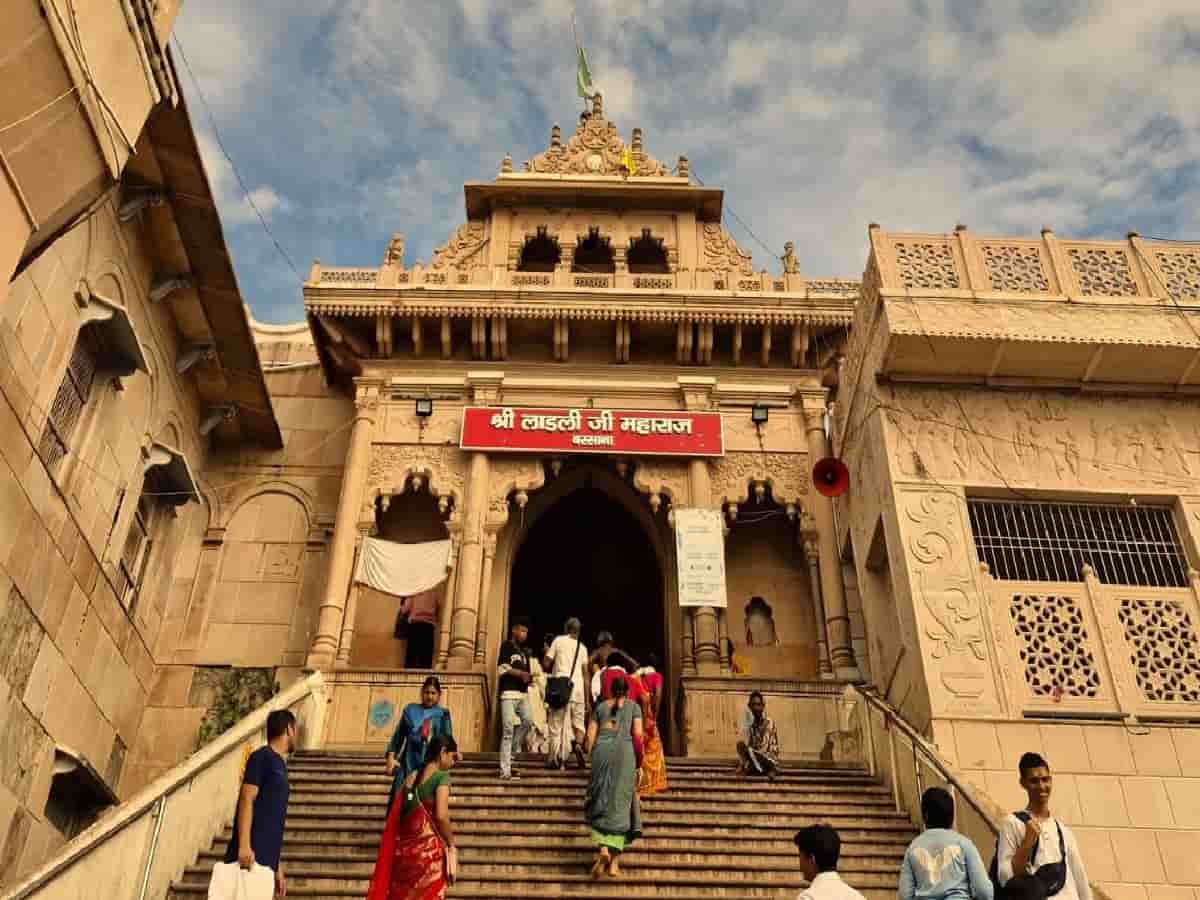
Perched majestically atop the Bhanugarh hill in Barsana within Mathura district, the revered sanctuary is popularly addressed by devotees as the "Shreeji Temple" or "Laadli Ji Mandir." Constructed using iconic red sandstone characteristic of traditional Mughal-era and Rajputana architectural styles, the complex requires devotees to ascend a flight of steep stone stairs winding up the hillside, with an operational aerial ropeway facility available to ensure effortless transit for elderly and differently-abled pilgrims. The hilltop sanctum is surrounded by prominent sacred pilgrimage spots, including the historic Bhanu Mahal, the Ashtasakhi Temple honoring Radha Rani's closest companions, and the ancient Brahma Temple, creating an expansive spiritual circuit for visiting devotees.
400-Year Heritage: From Vajranabh's Vision to Raja Veer Singh's Monumental Legacy
The origin of the shrine is steeped in sacred lore, with local traditions recording that the initial foundation stone for Ladli Ji's veneration was established thousands of years ago by King Vajranabh, the great-grandson of Lord Krishna. The grand structural monument standing today was formally erected in 1675 AD under the royal patronage of Raja Veer Singh Dev of Orchha, ensuring the sanctuary endured as the prime seat of Radha worship across northern India. Beyond its international renown during the raucous spring festivities of Lathmar Holi, the temple undergoes a breathtaking visual transformation on Radha Ashtami, decorated extensively with exotic floral canopies, fragrant garlands, and luminous night lighting, followed by ceremonial Chhappan Bhog offerings that are distributed as mahaprasad among gathered pilgrims.
Temple Opening Hours: Note Morning and Evening Darshan Schedules
Pilgrims traveling to Barsana are advised to schedule their visits strictly around the daily temple itinerary to experience the auspicious Mangala and Shringar aartis. The temple doors formally open for morning darshan at 5:00 AM, remaining accessible to the public until the sanctum closes for afternoon rest at 2:00 PM. Following the midday recess, the gates reopen for evening darshan at 5:00 PM and close for the night following the final Shayan aarti at 9:00 PM. Adhering to these published timings ensures a serene and spiritually uplifting pilgrimage experience during the high-footfall Radha Ashtami festive weekend.