October 21 or 22: Confirmed Date, Parana Timings, and Strict Vrat Rules
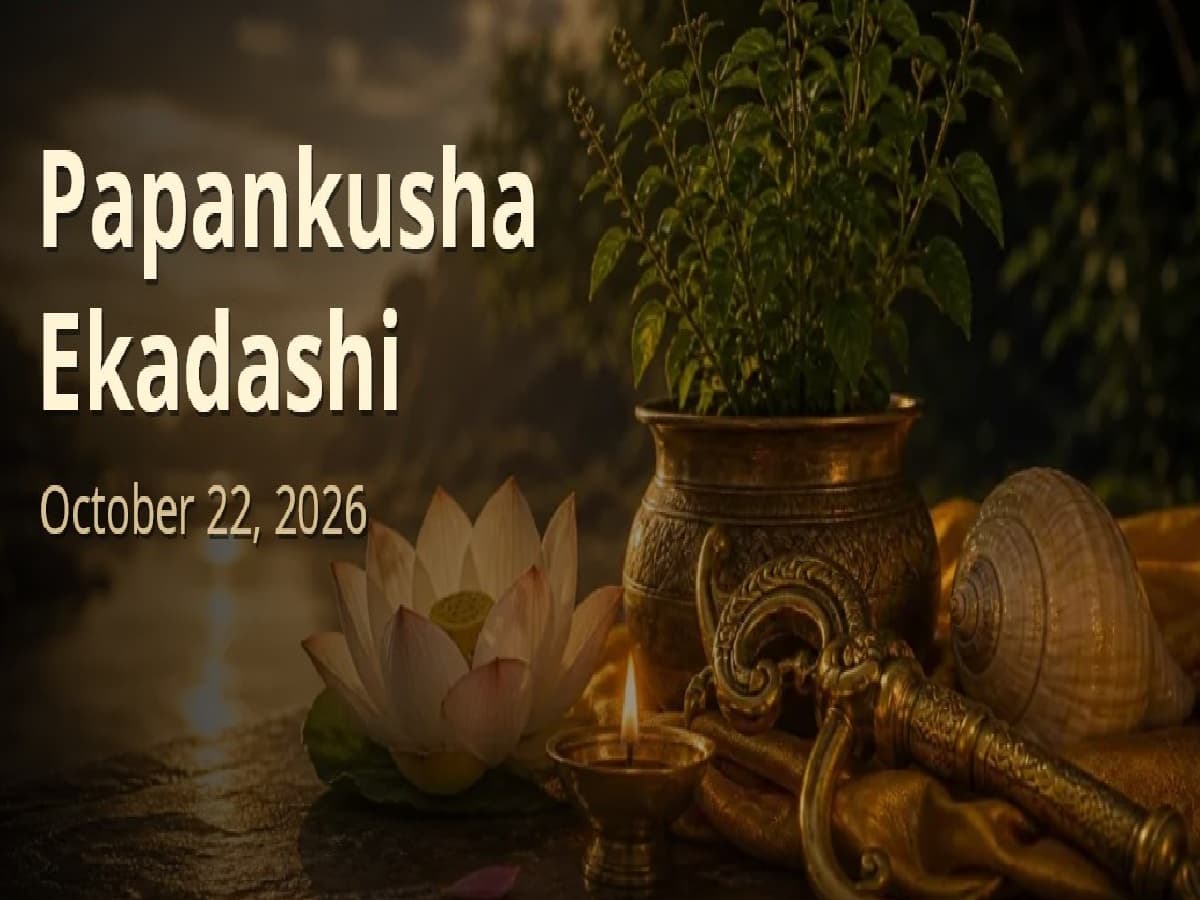
Devotees across India are preparing to observe the auspicious fast of Papankusha Ekadashi, a revered Vedic observance occurring during the Shukla Paksha (waxing fortnight) of the holy Hindu month of Ashwin. Dedicated to the worship of Lord Vishnu and Goddess Lakshmi, the sacred day holds profound spiritual significance in Sanatan tradition, resting on the scriptural belief that observant fasts and earnest prayers destroy cumulative sins, avert karmic afflictions, and usher in enduring family peace and financial prosperity. While devotees frequently encounter confusion regarding whether to fast on October 21 or October 22, established Vedic panchang calculations mandate the adherence to Udaya Tithi (sunrise calendar calculation), confirming that the formal fasting rituals must be observed on Thursday, October 22, 2026, with the traditional breaking of the fast (Parana) scheduled for the following morning.
Tithi Timings, Udaya Tithi Calculation, and Auspicious Puja Muhurats
According to the Vedic astronomical calendar, the Ekadashi Tithi of Ashwin Shukla Paksha formally commences at 2:11 AM on Wednesday, October 21, and concludes at 2:47 PM on Thursday, October 22. Because the prevailing sunrise occurs while Ekadashi Tithi is active on October 22, religious scholars affirm that the fast must be observed on Thursday. To maximize spiritual merit, worshippers are encouraged to perform their rituals during designated auspicious windows throughout the day: Brahma Muhurta spans from 04:52 AM to 05:42 AM, Vijay Muhurta runs between 02:10 PM and 02:56 PM, Twilight (Godhuli) Muhurta falls between 05:59 PM and 06:24 PM, and the midnight Nishita Muhurta takes place from 11:51 PM to 12:41 AM. Following the full day of austerities, the statutory Parana window for breaking the fast on Dwadashi Tithi opens on Friday, October 23, from 06:27 AM to 08:42 AM, during which devotees should complete their morning ablutions and conclude their fast within the prescribed timeline.
Sacred Donations, Scriptural Taboos, and Essential Fasting Protocols
Charity forms the spiritual cornerstone of Papankusha Ekadashi, with scriptural edicts encouraging observers to donate anna (grains and food), clean clothing, and financial contributions to sacred shrines, learned priests, and underprivileged individuals to foster lasting abundance and eliminate financial distress. Alongside positive acts of benevolence, the fast mandates rigorous dietary and behavioral restraints to maintain ritual purity. Consuming rice in any form is strictly forbidden for all household members on Ekadashi day, as is the intake of tamasic substances such as onions, garlic, non-vegetarian food, and alcohol. Devotees are instructed to avoid anger, interpersonal conflicts, gossip, and harsh speech, while ensuring that the home is kept meticulously sanitized and spiritually serene. Furthermore, traditional codes strictly prohibit haircuts, shaving, beard trimming, and nail clipping throughout the duration of Ekadashi to preserve the sanctity of the fast.