







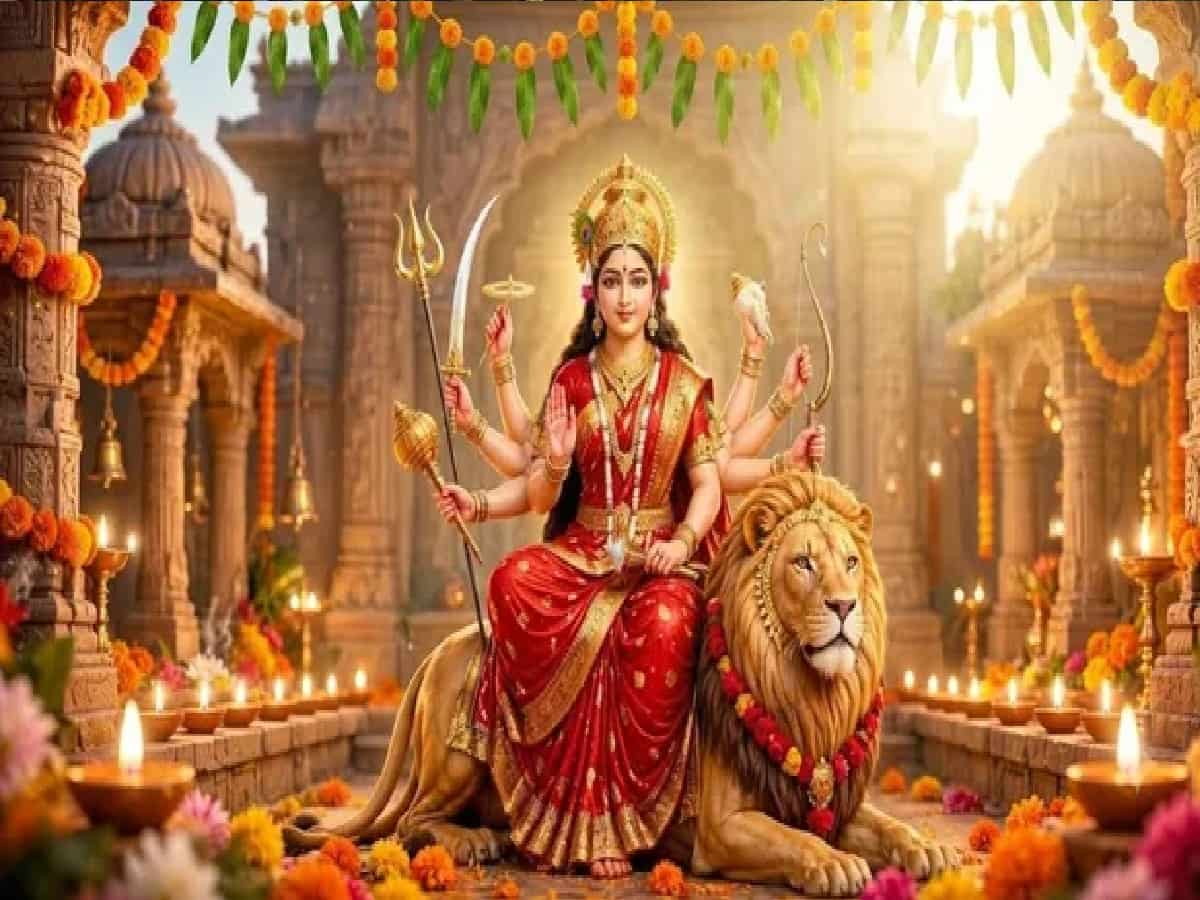
Navratri 2026 Fast Breaking: Ashtami or Navami, Parana Timings and Rituals Revealed
As the sacred observance of Sharadiya Navratri reaches its climactic final days, millions of fasting devotees across the country face a recurring spiritual dilemma: whether to conclude their rigorous nine-day penance on Maha Ashtami or Maha Navami. In Sanatana Dharma, observing a religious fast yields its complete metaphysical and spiritual fruits only when it is concluded through proper Vedic rites at an auspicious hour (Parana Muhurat). According to scriptural guidelines and regional traditions, the timing of breaking the fast is fundamentally determined by ancestral family custom (Kul Parampara) and the specific day chosen for Kanya Pujan, ensuring that devotees transition out of their spiritual vows with utmost purity and devotion.
Maha Ashtami vs. Maha Navami: Exact Tithi Timings for Fast Breaking (Parana)
According to the Vedic panchang calculations for 2026, Maha Ashtami is observed on Monday, October 19, while Maha Navami falls on Tuesday, October 20. The Ashtami Tithi commenced on Sunday, October 18, at 08:27 AM and formally drew to a close on Monday, October 19, at 10:51 AM. Immediately following this transition, the Navami Tithi began at 10:51 AM on October 19 and remains effective until 12:50 PM on Tuesday, October 20. Devotees whose family traditions mandate Kanya Pujan on Maha Ashtami can conclude their fast on Monday after completing the ritual worship of young girls. Conversely, households that traditionally observe the complete nine days of fasting perform their Kanya Pujan on Maha Navami and perform Parana on Tuesday, October 20, following the conclusion of the Navami rituals.
Sacred Parana Vidhi: Step-by-Step Method to Break the Nine-Day Vrat
To ensure the spiritual efficacy of the nine-day vow, ancient scriptures outline a structured ritual sequence for breaking the fast on the day of Parana:
-
Purification and Altar Setup: Rise before dawn during Brahma Muhurta, take a ritual bath, and don clean, unstitched or auspicious traditional clothing. Thoroughly clean the home sanctum and light a sacred brass lamp using pure cow desi ghee.
-
Deity Invocation and Chanting: Offer fresh fragrant flowers, Akshat (unbroken rice), Roli, and sandalwood paste to Goddess Durga alongside burning dhoop. Chant sacred seed mantras of the Mother Goddess and recite the Durga Chalisa with complete devotion before performing the formal Aarti.
-
Bhog Preparation: Prepare a fresh, sattvic offering consisting of the traditional trifecta—semolina halwa, golden fried puris, and dry black chickpeas (kale chane)—and present it before the deity as divine Prasad.
-
Kanya Pujan and Blessings: Welcome nine young girls (symbolizing the Navadurgas) along with a young boy (representing Batuk Bhairav). Wash their feet, apply auspicious tilak, tie sacred mauli threads on their wrists, and serve them the sanctified feast with affectionate hospitality. After the meal, present them with auspicious gifts and monetary tokens (dakshina), bowing down to touch their feet to receive their divine blessings.
-
Fast Conclusion: Offer final prayers (Kshama Prarthana) to Maa Durga, asking forgiveness for any inadvertent procedural errors during the nine days. Accept the consecrated Charanaamrit and a small portion of the bhog prasad, followed by a wholesome sattvic meal to formally break the fast.




