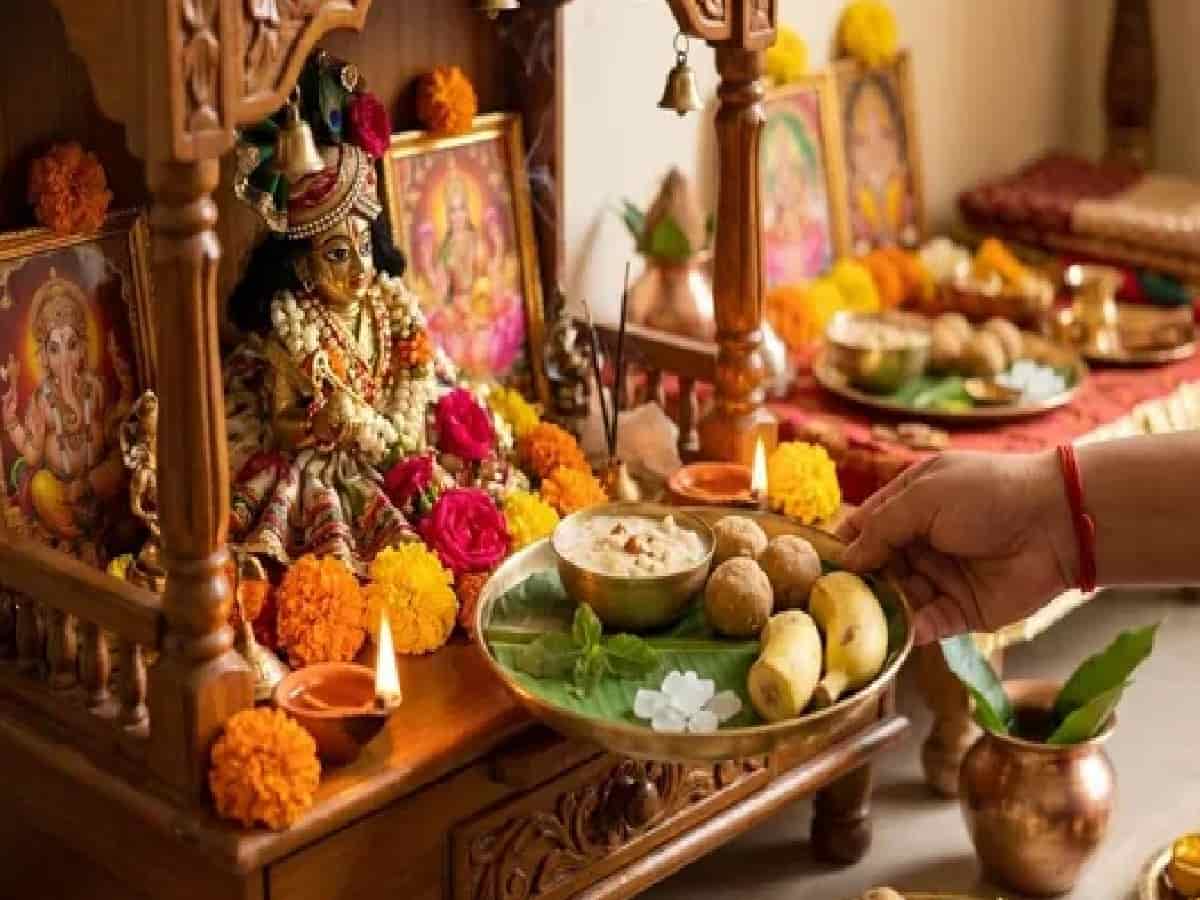
Leaving Prasad in the Home Temple Overnight: Is It Right or Wrong? Uncovering the True Religious and Health Rules
Establishing a home temple and offering daily prayers (bhog or prasad) to deities is a cornerstone of Hindu spiritual practice. However, many devotees unknowingly commit common errors while presenting and managing sacred offerings, which can diminish the spiritual rewards of their worship. A frequently asked question among households is whether it is appropriate to leave prasad at the place of worship overnight. Examining both scriptural guidance and practical hygiene reveals the correct protocols.
Why Leaving Prasad Overnight Is Discouraged
From both religious and health perspectives, leaving consecrated prasad inside the home temple overnight is strictly considered incorrect.
According to traditional beliefs, once food or fruit is offered to a deity with devotion, it should be removed and distributed shortly after the ritual. Leaving offerings near idols for extended periods or overnight is believed to invite stagnant or negative energies into the sacred space. Furthermore, leaving perishable food items out overnight attracts ants, cockroaches, and other pests, rendering the prasad stale, unhygienic, and unfit for consumption.
Correct Rules for Offering and Distributing Prasad
To ensure that your worship yields maximum positive energy and maintains complete purity, adhere to these essential guidelines:
-
Timely Distribution: Remove the prasad from the altar within 10 to 15 minutes of offering it and distribute it with reverence among family members and guests.
-
Evening and Night Pujas: If you perform worship or Shayan Aarti late in the evening, offer the bhog, wait 5 to 10 minutes, and then promptly remove and distribute it.
-
Vessel Selection: Always use clean utensils made of brass, silver, gold, or clay for offering prasad. Serving prasad on a fresh banana leaf is considered especially sacred and auspicious.
-
Water Offering: Always keep a dedicated vessel filled with fresh water near the deity when presenting your offerings.