Jitiya Vrat 2026: Date, Ashtami Muhurat Timings, Puja Samagri
Regarded as one of the most spiritually demanding austerities in Sanatana Dharma, Jitiya Vrat—formally designated as Jivitputrika Vrat—is celebrated with immense reverence across Bihar, Uttar Pradesh, Jharkhand, and adjoining regions. Dedicated to maternal devotion, protective penance, and the unbroken well-being of offspring, the sacred observance requires mothers to undertake a strict 24-hour waterless (Nirjala) fast seeking the divine benevolence of deity Lord Jimutavahana. Observed during the dark fortnight of the lunar month of Ashwin, this sacred three-day cycle unites families around ancestral folklore, riverside ablutions, and time-honored satvic feasts. For mothers preparing their ritual calendar for Jitiya Vrat 2026, verifying the precise astronomical Ashtami timings, arranging the traditional puja items beforehand, and adhering to strict scriptural steps from Nahay Khay to Paran ensures an auspicious and fulfilling vow.
Jitiya Vrat 2026 Date and Auspicious Ashtami Tithi Muhurat
Aligning your fasting schedule with authentic astronomical calculations is vital for completing the fast in accordance with Vedic tradition:
-
Official Calendar Date: In 2026, the main Jivitputrika Nirjala fast will be solemnly observed on Saturday, October 3, 2026.
-
Ashtami Tithi Commences: According to the authoritative Drik Panchang, the Krishna Paksha Ashtami Tithi officially begins at 7:59 AM on Saturday, October 3, 2026.
-
Ashtami Tithi Concludes: The eighth lunar tithi runs continuously through the night, drawing to a close at 5:51 AM on Sunday, October 4, 2026.
-
Regional Variations: Because localized sunrise (Udaya Tithi) and twilight calculations vary slightly across different cities and states, devotees are encouraged to cross-reference local temple panchang tables to coordinate specific prayer hours.
The Sacred Three-Day Fasting Journey: From Nahay Khay to Final Paran
The spiritual discipline of Jivitputrika spans a systematic three-day ritual progression:
-
Day 1: Nahay Khay (Purification and Satvic Diet): The festival commences on Saptami with ritual self-cleansing. Mothers wake before dawn, take a purifying dip in holy rivers or bathe with Gangajal at home, and consume a pure satvic meal prepared strictly without garlic or onion, often featuring local delicacies like marua roti and seasonal vegetable curries.
-
Day 2: Khur Jitiya (The Core Nirjala Vrat): Falling on Ashtami, this marks the most rigorous phase of the austerity. Fasting women completely renounce all food and refuse even a drop of drinking water throughout the day and the entire night, dedicating their hours to reciting the Jimutavahana Vrat Katha and singing devotional folk melodies.
-
Day 3: Paran (Breaking the Waterless Vow): Concluding on Navami morning, the fast is broken only after offering morning prayers, performing Surya Arghya, and distributing sacred prasad to family members.
Complete Jitiya Puja Samagri Checklist: Essential Items for the Altar
Arranging your puja platform with the appropriate sacred items prevents last-minute hurdles during the rituals:
-
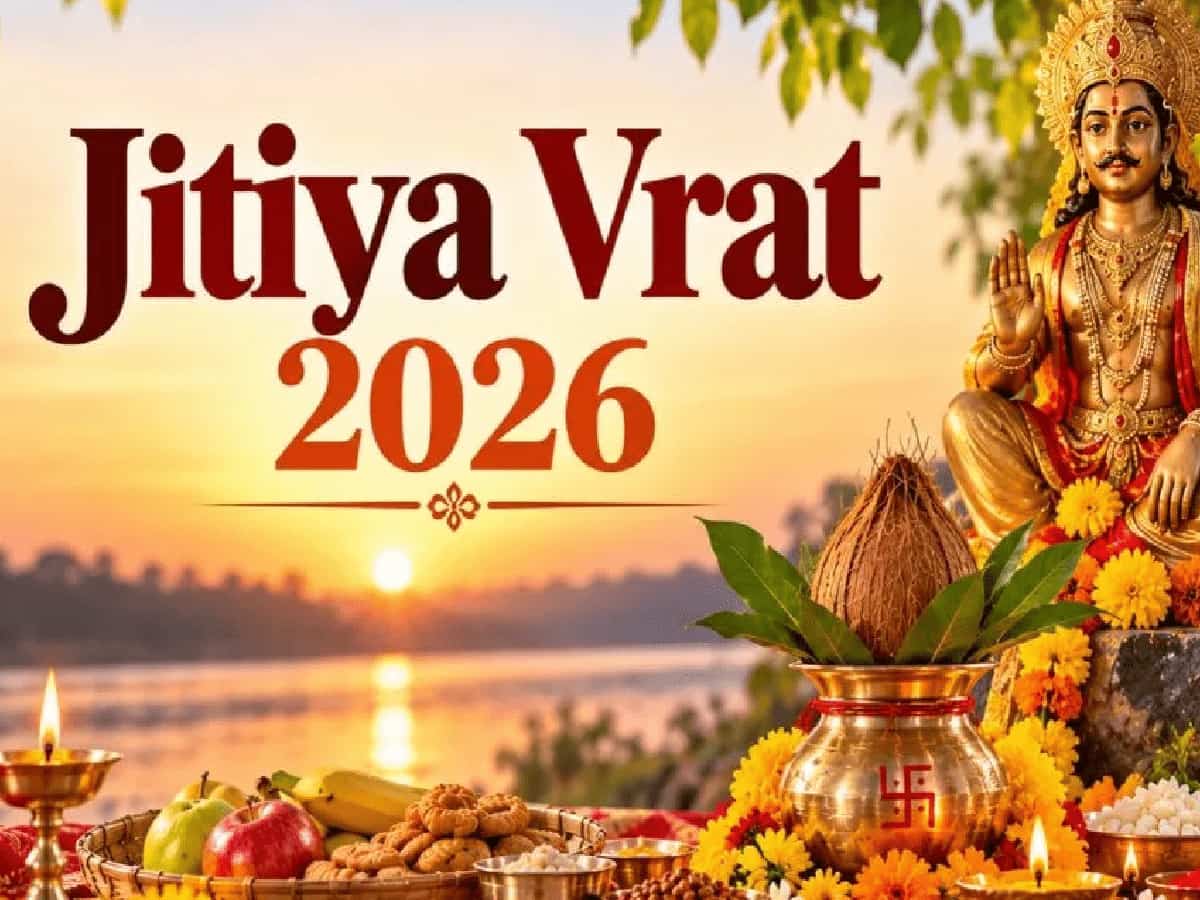
Primary Deities and Sanctified Base: An idol, painting, or brass form of Lord Jimutavahana, a clean wooden platform (chowki), fresh red or yellow altar cloth, sacred Kusha grass, and clean clay or cow dung to sculpt the traditional figures of the eagle (Cheel) and female jackal (Siyar).
-
Vessel and Holy Waters: A clean copper or brass water pitcher (Kalash/Lota), pure Gangajal, clean fresh water, unbroken whole rice grains (Akshat), and freshly prepared Panchamrit (a divine blend of milk, curd, honey, sugar, and ghee).
-
Ritual Adornments and Lighting: Earthen diya, pure cotton wicks, cow ghee or mustard oil, incense sticks (agarbatti), fragrant dhoop, camphor (kapoor), vermilion (sindoor), holy sacred thread (mauli), red-yellow Jiutiya thread, chandan, roli, and fresh turmeric roots.
-
Fresh Flora and Offerings: Tender Durva grass, fresh auspicious flowers, floral garlands, whole betel leaves (paan), whole areca nuts (supari), fragrant cloves (laung), green cardamom (elaichi), and a hand-woven bamboo basket.
-
Grain Essentials and Sacred Text: Coarse Marua flour, bajri grains, and a copy of the authentic Jitiya Vrat Katha book.
Traditional Prasad Offerings: Sacred Bhog for Lord Jimutavahana
The concluding offerings presented to the deity carry centuries of cultural and nutritional significance:
-
Thekua and Homemade Delicacies: Freshly fried thekua, made from flour, ghee, and jaggery, serves as the signature culinary centerpiece of the festive bhog plate.
-
Soaked Black Gram (Chana): Soaked Bengal gram plays an indispensable role in Jitiya rituals, offered to the deities on leaf platters before being consumed by fasting mothers during Paran to replenish vital energy.
-
Seasonal Fruits and Sweetmeats: Assorted fresh harvest fruits including bananas, apples, cucumbers, sugarcane pieces, and traditional milk sweets complete the sanctified prasad arrangement.
-
Ensuring Flawless Observance: By organizing these sacred items and following the sunrise-to-dawn schedule with deep faith, mothers invoke lifelong protection, robust physical health, and boundless fortune for their children.