







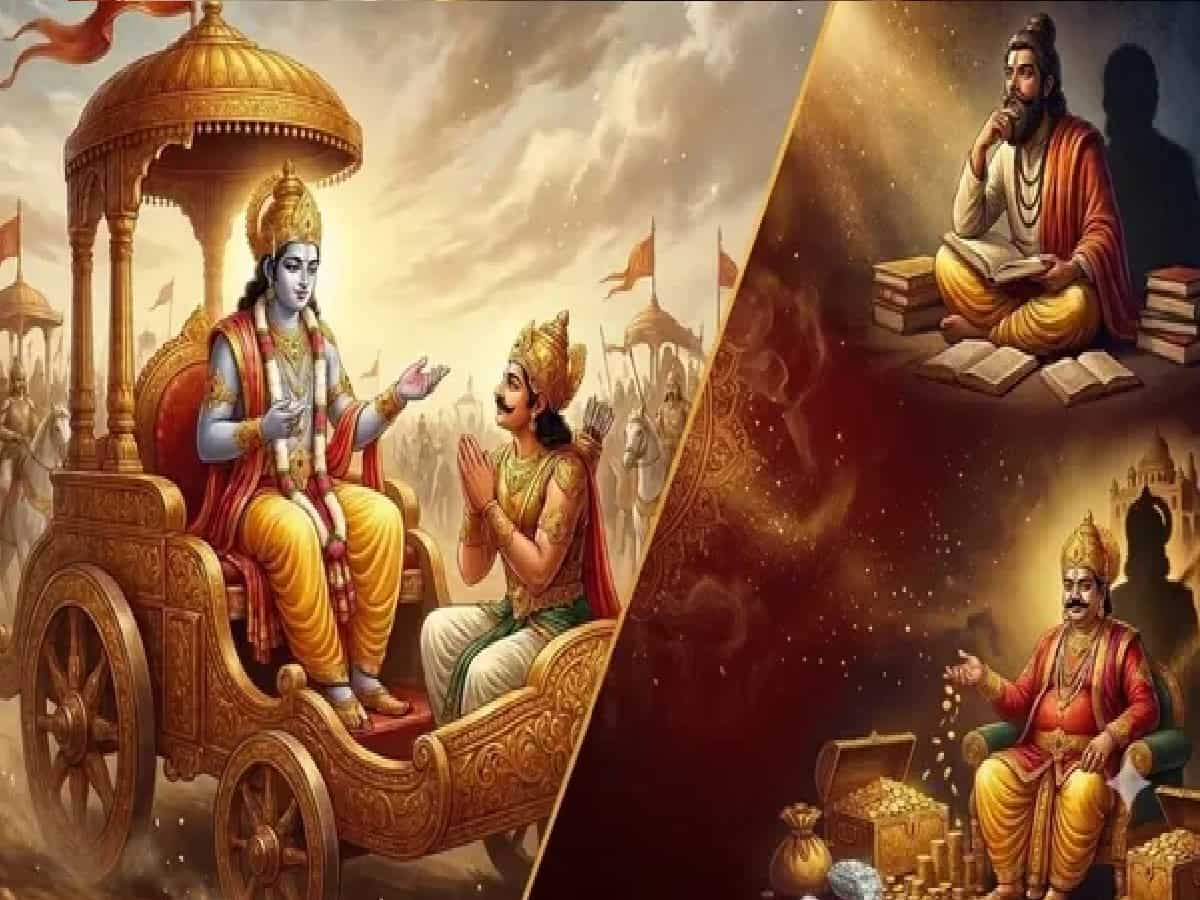
Gita Jayanti 2026: Date, Significance & 3 Things You Must Never Boast Of
As devotees across India prepare for the sacred winter observances of the Hindu lunar month of Margashirsha, the timeless teachings of the Shrimad Bhagavad Gita return to center stage ahead of Gita Jayanti 2026. Highlighted across religion, philosophy, and cultural desks on Friday, November 27, 2026, Gita Jayanti is celebrated every year on the Ekadashi (eleventh lunar day) of the bright fortnight (Shukla Paksha) in Margashirsha—falling this year on December 20, 2026. According to sacred tradition, it was on this revered day on the battlefield of Kurukshetra that Lord Shri Krishna delivered the immortal dialogue of the Bhagavad Gita to a conflicted Arjuna, illuminating the balanced paths of Karma (righteous action), Dharma (duty), Bhakti (devotion), and Jnana (true wisdom). Beyond scripture recitation and charitable giving, the Gita offers a razor-sharp psychological warning that remains strikingly relevant in today's status-driven world: unchecked ego (ahamkara) quietly undermines human judgment and invites ruin. Specifically, traditional Gita teachings caution seekers never to fall prey to arrogance over three fleeting possessions—knowledge, physical beauty, and wealth—noting that flaunting money amounts to disrespecting Goddess Lakshmi, whereas grounded humility opens the door to enduring peace, respect, and inner growth across Kurukshetra, New Delhi, Lucknow, Mathura, Varanasi, Vrindavan, and Prayagraj.
Gita Jayanti 2026: Date, Sacred Context & 3 Forms of Pride That Lead to Downfall
To bring together the core spiritual significance and observance details of Gita Jayanti 2026 on December 20, why the Shrimad Bhagavad Gita warns against arrogance over knowledge, physical appearance, and material wealth, and practical ways devotees honor the scripture through recitation, charity, and daily humility, the tables below organize verified scriptural and cultural insights:
Three Things the Bhagavad Gita Warns Never to Be Proud Of
| Object of Pride (Ahamkara) | Why It Is Temporary or Deceptive | Spiritual & Practical Consequence |
| 1. Arrogance of Knowledge (Vidya ka Abhimaan) | True learning is boundless; mistaking partial intelligence or skill for mastery closes the mind to further growth. | Ego halts intellectual and career progress, alienates mentors and peers, and prevents knowledge from bearing lasting fruit. |
| 2. Pride in Physical Beauty (Roop ka Ghamand) | Every physical body inevitably changes and ages with time, making outward appearance inherently impermanent. | External charm creates only brief impressions, whereas inner character and a compassionate mind leave a lifelong mark. |
| 3. Boasting About Wealth (Dhan ka Dikhaava) | Material riches fluctuate with circumstance and destiny; flaunting money in youth or success breeds carelessness and disdain for others. | Spiritual tradition holds that showing off wealth insults Goddess Lakshmi, inviting financial instability, conflict, and decline. |
Gita Jayanti 2026 Observance & Devotional Checklist (December 20, 2026)
| Observance Element | Verified Details | Traditional Benefit & Practice |
| Festival Date & Lunar Tithi | December 20, 2026 — observed on Margashirsha Shukla Ekadashi (also revered as Mokshada Ekadashi). | Commemorates the sacred day Lord Shri Krishna revealed the Shrimad Bhagavad Gita to Arjuna at Kurukshetra. |
| Scripture Recitation (Gita Paath) | Reciting selected chapters or the complete 18 chapters (700 verses) of the Shrimad Bhagavad Gita at home or in temples. | Cultivates mental clarity, equanimity in adversity, and alignment with righteous duty (Dharma). |
| Charity & Humility (Daan & Seva) | Donating food, warm winter clothing, educational books, or financial aid to the needy without publicity. | Counters material ego, honors Goddess Lakshmi through responsible stewardship, and eases life's hardships. |
Why Humility Remains the Bhagavad Gita's Core Secret to Lasting Success
Spiritual scholars across Kurukshetra, Mathura, Vrindavan, Varanasi, and Lucknow emphasize that Lord Shri Krishna's message in the Bhagavad Gita does not ask people to reject education, self-care, or honest prosperity—rather, it teaches them to hold those blessings as instruments of service rather than trophies of superiority. When a scholar stays curious, a gifted person stays gracious, and a prosperous household practices quiet generosity instead of ostentatious display, blessings multiply naturally without attracting envy or self-sabotage.
How Devotees Can Prepare for Gita Jayanti on December 20, 2026
Ahead of Gita Jayanti on December 20, 2026, families and readers across Lucknow, New Delhi, Kurukshetra, Mathura, Varanasi, Vrindavan, and Prayagraj can set aside a few quiet minutes each morning to read even five verses of the Shrimad Bhagavad Gita, reflect on replacing boastfulness with gratitude, and plan humble acts of winter charity that honor both Lord Shri Krishna's wisdom and Goddess Lakshmi's grace.




