Family Discord Relief: 4 Simple Temple Rituals That Restore Harmony and Dispel Domestic Strife
In Hindu spiritual philosophy, temples serve as energy epicenters that transform restless mental states, harmonize home life, and cultivate an aura of peace. Steeped in centuries of scriptural guidance, the physical layout and sacred practices observed within a temple complex help dissolve misunderstandings, defuse domestic arguments, and rebalance turbulent emotional bonds. Participating regularly in traditional sanctum rituals helps devotees quiet their racing minds, develop mutual empathy, and welcome positive spiritual energy into their households. Performing four foundational temple customs—whether individually, as a couple, or with family—provides a simple, time-tested approach to overcoming household stress and building lasting domestic unity.
Evening Deepam and Sacred Jal Offerings: Dispersing Emotional Clouds and Misunderstandings
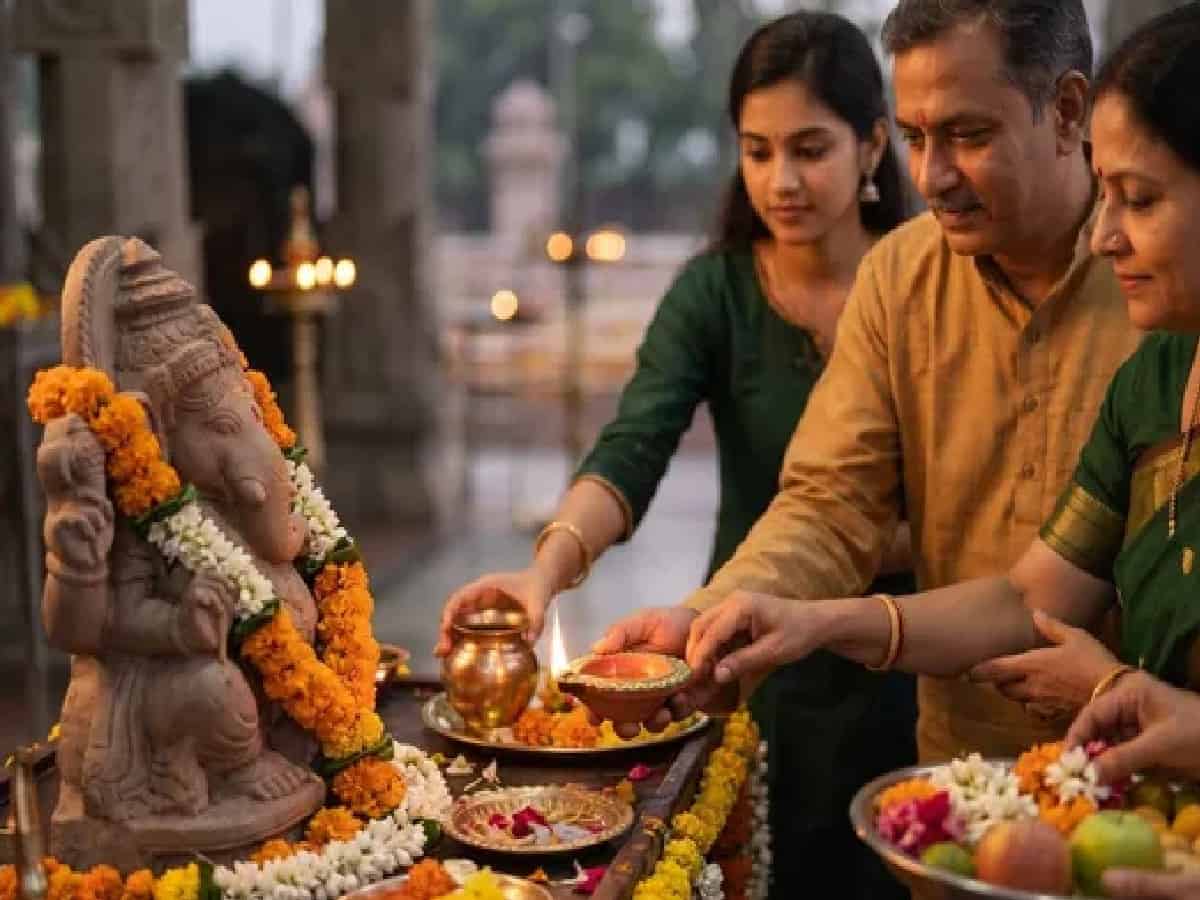
Lighting an oil or ghee lamp (deepam) within the temple precincts at dusk remains one of the most spiritually uplifting daily observances in Sanatan Dharma. The sacred flame does more than illuminate the shrine; it symbolizes the elimination of subconscious darkness, doubts, and unresolved domestic grudges. Couples and family members who light temple lamps together foster mutual trust, invite clarity into shared decisions, and nurture deep spiritual grounding. This practice works hand in hand with offering clean water (Jal) or fresh unboiled milk directly to the deity’s consecrated altar or Shivalinga. Performing this devotional libation calms hyperactive emotional states, releases lingering resentments, and encourages empathy, allowing estranged relatives to view conflicts through a lens of compassion.
Distributing Prasad and Clockwise Pradakshina: Cultivating Generosity and Shared Resilience
Sharing and receiving sanctified food offerings (prasad) in a temple courtyard extends well beyond symbolic consumption; it functions as a social and spiritual bridge designed to break down personal ego and foster shared gratitude. Partaking in prasad together reminds family members of life's fundamental blessings, transforming mutual friction into generosity, affection, and mutual care. This sense of unity is deepened through Pradakshina, the ritual of circumambulating the inner sanctum in a disciplined, clockwise direction. Completing these slow, mindful rotations around the deity centers erratic thoughts, eases anxiety, and encourages collective patience. Families and couples who walk this sacred circuit together cultivate emotional balance, deepening their mutual respect and building the shared resilience needed to weather life's inevitable storms.