







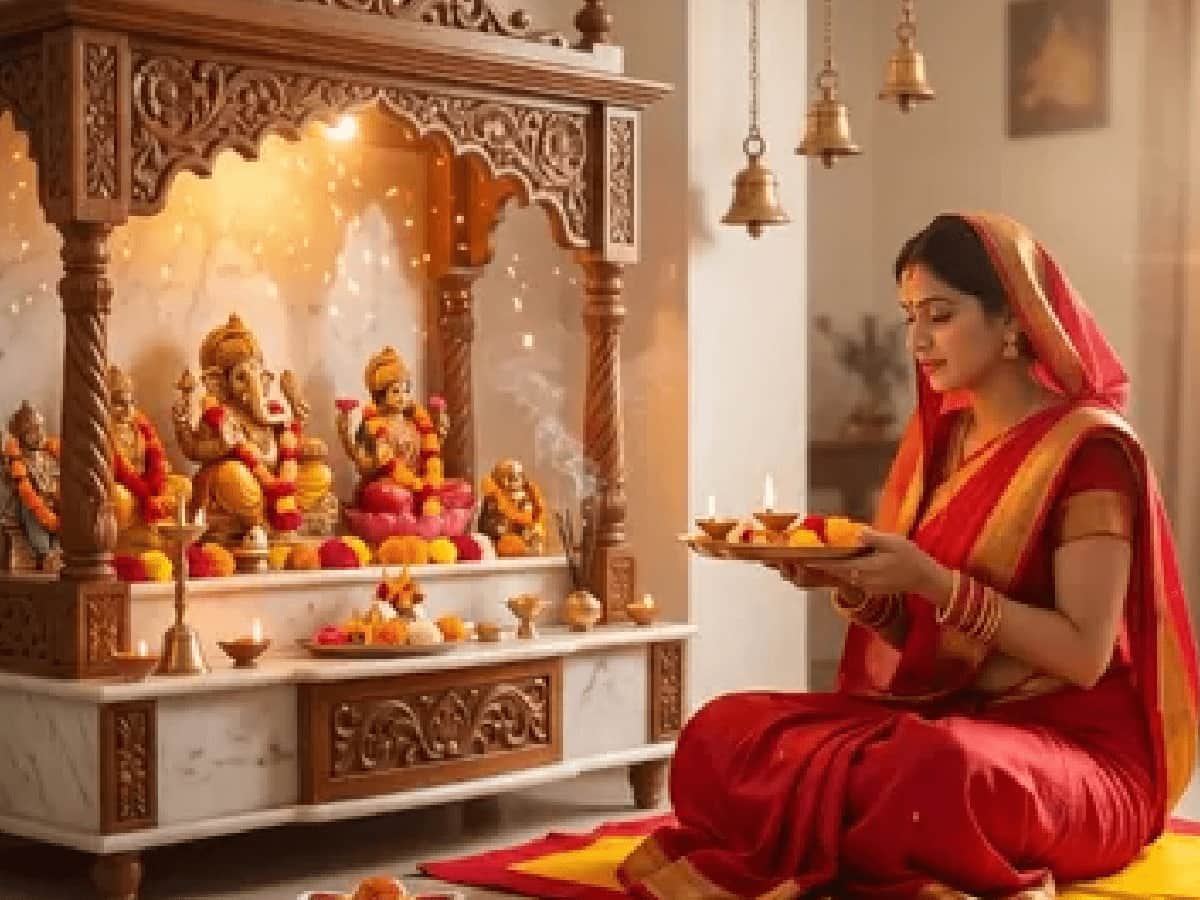
Essential Vastu Rules for Asana Selection to Attract Prosperity and Peace
In Vedic architecture and Vastu Shastra, the home temple stands as the spiritual core of the entire household, radiating subtle vibrations that govern family harmony, mental clarity, and material prosperity. While devotees invest great care into deity placement, directional orientation, and daily rituals, they frequently overlook a critical element: the colour and condition of the seating mat (asana) and the sacred altar cloths (puja vastra). Ancient texts suggest that an asana acts as a metaphysical insulator, preserving the spiritual energy generated during prayer while preventing its dissipation into the ground. Choosing incorrect shades can inadvertently disrupt energy flows, provoke planetary disharmonies, and weaken focus during meditation.
Prohibited Shades: Why Black and Blue Clothe Must Never Enter the Altar Space
Vastu principles strictly proscribe certain sombre, heavy tones from being used either as altar bases or as personal sitting mats during spiritual recitations:
-
Strict Prohibition on Black: Black should never be used as a base cloth for idols or as a sitting mat for daily prayers. Symbolically linked with deep darkness and absorbing negative vibrations, black stimulates the intense, erratic energies of Rahu and Saturn. Sitting on a black mat during sadhana induces mental restlessness, disrupts focus, and attracts energetic stagnation.
-
Avoidance of Dark Blue: Similarly, dark blue shades should be kept away from the primary prayer altar. Associated with planetary Saturn's retributive frequencies, dark blue alters the sacred vitality of the space and is believed to diminish the holistic fruits of devotional chanting.
-
Say No to Provocative or Neon Tones: Highly provocative, chaotic, or loud fluorescent tones should likewise be omitted, as they agitate the nervous system and distract the mind from devotional contemplation.
Most Auspicious Choices: Harnessing Red, Yellow, Orange, and Green Vibrations
Incorporating naturally harmonising, spiritually uplifting hues helps align the worship space with divine grace and celestial vitality:
-
The Power of Red: Spreading a clean, pure red cloth beneath sacred idols is considered exceptionally auspicious. Sacred to Goddess Durga, Lord Hanuman, and the divine feminine (Shakti), red embodies the vitalising, courageous energy of the planet Mars (Mangal), infusing the prayer alcove with strength and dynamic positivity.
-
The Purity of Yellow: Sacred to Lord Vishnu and Jupiter (Brihaspati), yellow signifies supreme wisdom, knowledge, and spiritual upliftment. Laying a yellow cloth on the altar or sitting on a yellow woolen asana purifies the ambient atmosphere and invites expansive good fortune.
-
Pleasant Alternatives: Soft tones of saffron orange, gentle pink, and natural green can also serve as wonderful secondary choices, harmonising planetary influences and calming the emotional heart during prayer.
Crucial Care Guidelines: Replacing Torn, Stained, or Singed Temple Fabrics
The physical state of the fabrics used within the home temple holds equal weight alongside colour selection:
-
Immediate Replacement of Singed Cloths: If an altar cloth or sitting mat gets accidentally burned or scorched by a falling spark from an oil lamp (diya) or incense stick (agarbatti), it must be removed and replaced immediately, as scorched items generate Vastu dosha.
-
Retire Torn and Frayed Mats: Never use worn-out, threadbare, or frayed fabrics for devotional practices; the altar should always reflect cleanliness, reverence, and freshness.
-
Dedicated Individual Mats: To maximise concentration and spiritual charging, each family member should maintain their own dedicated prayer rug, keeping it clean and elevated above the bare floor when not in use.




