







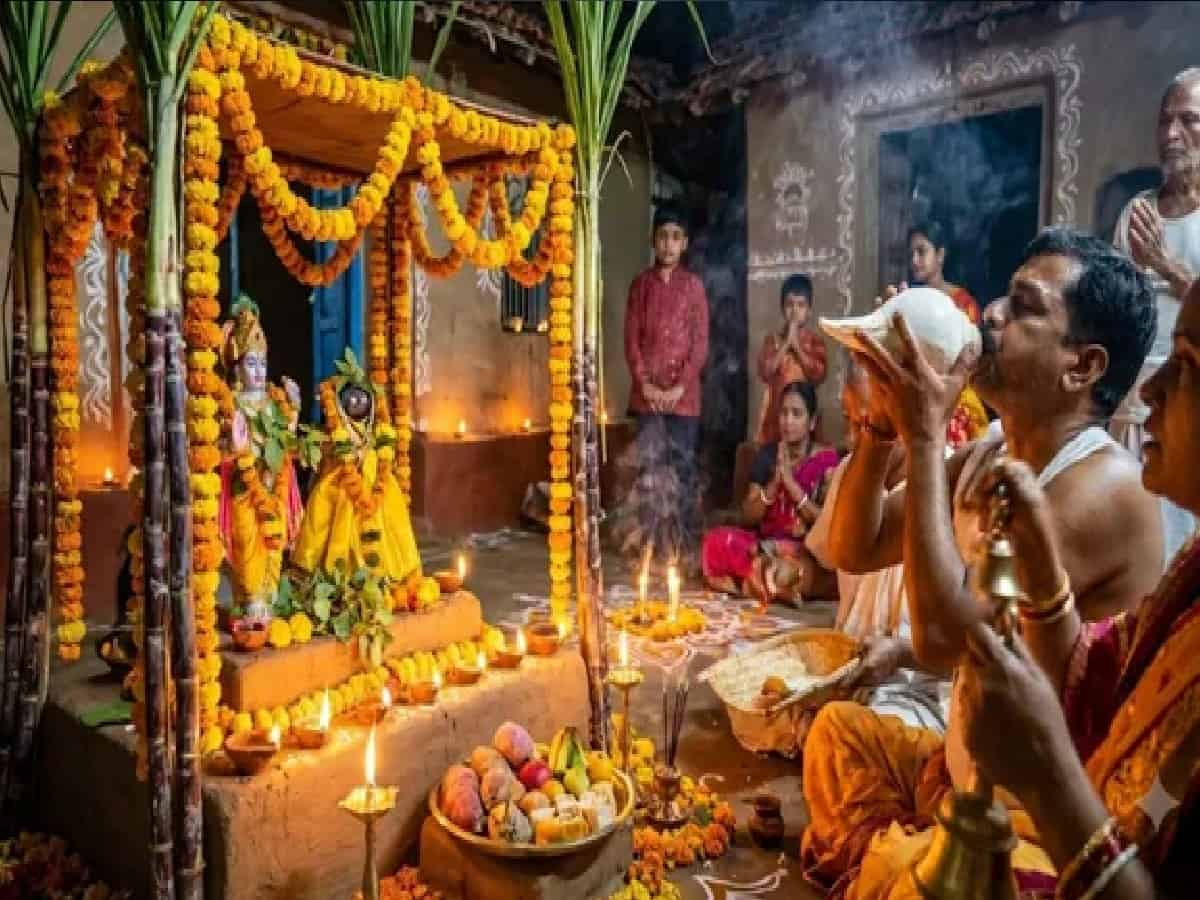
Devuthani Ekadashi: Secret of Conch & Bell to Awaken Lord Vishnu
In Hindu spiritual tradition, few moments carry as much collective joy and auspicious anticipation as the awakening of Lord Vishnu on Devuthani Ekadashi. Observed on the eleventh lunar day (Ekadashi Tithi) of the bright fortnight (Shukla Paksha) in the sacred month of Kartika, this revered occasion—also known as Prabodhini Ekadashi—marks the conclusion of the four-month cosmic period of Chaturmas. Across spiritual centers and households from Ayodhya, Mathura-Vrindavan, and Varanasi to Lucknow, Haridwar, Ujjain, and New Delhi, temples and courtyards resound after sunset with the deep, resonant call of conch shells (shankh), the clear chime of temple bells (ghanti), and the rhythmic clanging of brass plates and utensils. Behind this vibrant centuries-old custom lies a profound scriptural secret explaining how sacred sound awakens the preserver of the universe from his four-month yogic sleep (Yoganidra)—and why witnessing or participating in the ritual fills devotees’ hearts with devotion, inspiring spontaneous chants of "Jai Shri Hari."
Why Are Conch Shells and Bells Used to Awaken Lord Vishnu
According to Puranic lore, the cosmic cycle of rest and activity begins four months earlier on Devshayani Ekadashi, which falls during the bright fortnight of the month of Ashadha. On that day, Lord Vishnu retires to the Kshirsagar (the celestial Ocean of Milk) to enter deep yogic sleep upon his serpent couch, Sheshnag. During these four months of Chaturmas, cosmic administration and worldly governance are entrusted to Lord Shiva, while nature undergoes the transformative monsoon season. When four months reach completion on Kartik Shukla Paksha Ekadashi, the moment arrives for Srihari to awaken and resume his active stewardship of creation.
Rather than waking the Lord abruptly, ancient scriptures prescribe welcoming him back into cosmic consciousness through auspicious, harmonious vibrations. In Vedic philosophy, sacred sound (Nada Brahma) serves as the purest bridge between the earthly realm and the divine. The conch shell (shankh)—which emerged during the churning of the cosmic ocean (Samudra Manthan) and rests permanently in Lord Vishnu’s hand as Panchajanya—emits a primordial frequency that mirrors the sacred syllable Om. Similarly, the ritual bell (ghanti) produces a pure, lingering resonance believed to dispel stagnant, negative energy (tamas) from the home while inviting positive, uplifting vibrations (sattva). When families blow the conch, ring bells, and tap brass plates together on Devuthani Ekadashi night, those combined acoustic waves purify the household environment and create a sanctified atmosphere worthy of Lord Vishnu’s awakening.
How Lord Vishnu's Awakening Restarts Weddings and Auspicious Events
Beyond its deep spiritual symbolism, the awakening of Lord Vishnu carries immense practical significance across Hindu social and family life. Throughout the four months of Chaturmas, all major Mangalik ceremonies—including weddings (vivah), housewarming rituals (Griha Pravesh), sacred thread ceremonies (Upanayana), and new business inaugurations—remain traditionally paused. Because Lord Vishnu is the divine sustainer who blesses harmonious partnerships and household prosperity, families wait patiently for his return from Yoganidra before solemnizing lifelong commitments.
The very moment Srihari is awakened on Devuthani Ekadashi—followed closely by the sacred observance of Tulsi Vivah—the celestial window for auspicious ceremonies reopens across the country. Wedding band processions, decorated mandaps, and festive family gatherings return in full swing, transforming Devuthani Ekadashi into both a deeply devotional milestone and the joyful threshold of the Indian wedding season.
Step-by-Step Guide: How to Awaken Lord Vishnu on Devuthani Ekadashi
Observing the evening awakening ritual at home does not require elaborate priestly arrangements; scriptures emphasize sincerity, cleanliness, and traditional seasonal offerings. Devotees following the age-old custom can perform the awakening ceremony after sunset through four simple, meaningful steps:
-
Prepare a Sugarcane Pavilion: Clean the home prayer altar or courtyard thoroughly in the evening, draw auspicious rangoli or chowk patterns with rice flour and turmeric, and erect a small ceremonial canopy (mandap) using four fresh stalks of sugarcane. Place an idol or picture of Lord Vishnu—or a sacred Shaligram stone—at the center of the pavilion.
-
Offer Seasonal Harvests and Sacred Tulsi: Light a pure cow-ghee lamp (deepak) before the deity and offer seasonal autumn produce associated with Kartika, especially water chestnuts (singhara), sweet potatoes (shakarkandi), jaggery, sugarcane pieces, and festive sweets. Above all, include fresh Tulsi (holy basil) leaves, as scriptures affirm that Lord Vishnu’s worship remains incomplete without Tulsi Dal.
-
Awaken Srihari With Sacred Sounds: Late in the evening, gather family members around the altar and gently sound the conch shell, ring the puja bell, and tap a brass plate (thali) or vessel with a spoon. While creating this joyful chorus, recite traditional awakening invocations such as "Utho Deva, Baitho Deva" (Arise, O Lord; be seated, O Lord) alongside heartfelt chants of "Om Namo Bhagavate Vasudevaya" and "Jai Shri Hari."
-
Offer Satvik Bhog and Share Prasad: Once the awakening ritual concludes, offer freshly prepared satvik food—traditionally including puri, seasonal vegetable curry, kheer, and fresh fruits—to Lord Vishnu. Afterward, distribute the sanctified prasad among all family members, neighbors, and elders to share the blessings of the occasion.
Quick Reference: Sacred Elements of the Devuthani Ekadashi Ritual
| Ritual Element | Traditional Role in Worship | Spiritual & Symbolic Meaning |
| Sugarcane Pavilion (Mandap) | Canopies Lord Vishnu's idol or Shaligram | Symbolizes sweetness, agricultural abundance, and cosmic shelter |
| Conch (Shankh) & Bell (Ghanti) | Blown and rung during the night awakening | Dispels negative energy and invokes primordial sacred vibrations |
| Brass Plate (Thali) & Utensils | Rhythmic tapping by household members | Celebrates collective family joy and rouses divine awareness |
| Tulsi Leaves (Tulsi Dal) | Essential offering placed with bhog | Represents pure devotion (bhakti) beloved to Srihari |
| Water Chestnuts & Sweet Potatoes | Seasonal Kartika harvest offerings | Expresses gratitude to nature for sustaining life after monsoon |
Through its blend of sacred sound, seasonal gratitude, and family participation, Devuthani Ekadashi reminds devotees that awakening the divine in the universe begins with awakening mindfulness, purity, and devotion within one’s own home—leaving every heart echoing with the timeless prayer, "Jai Shri Hari."




