







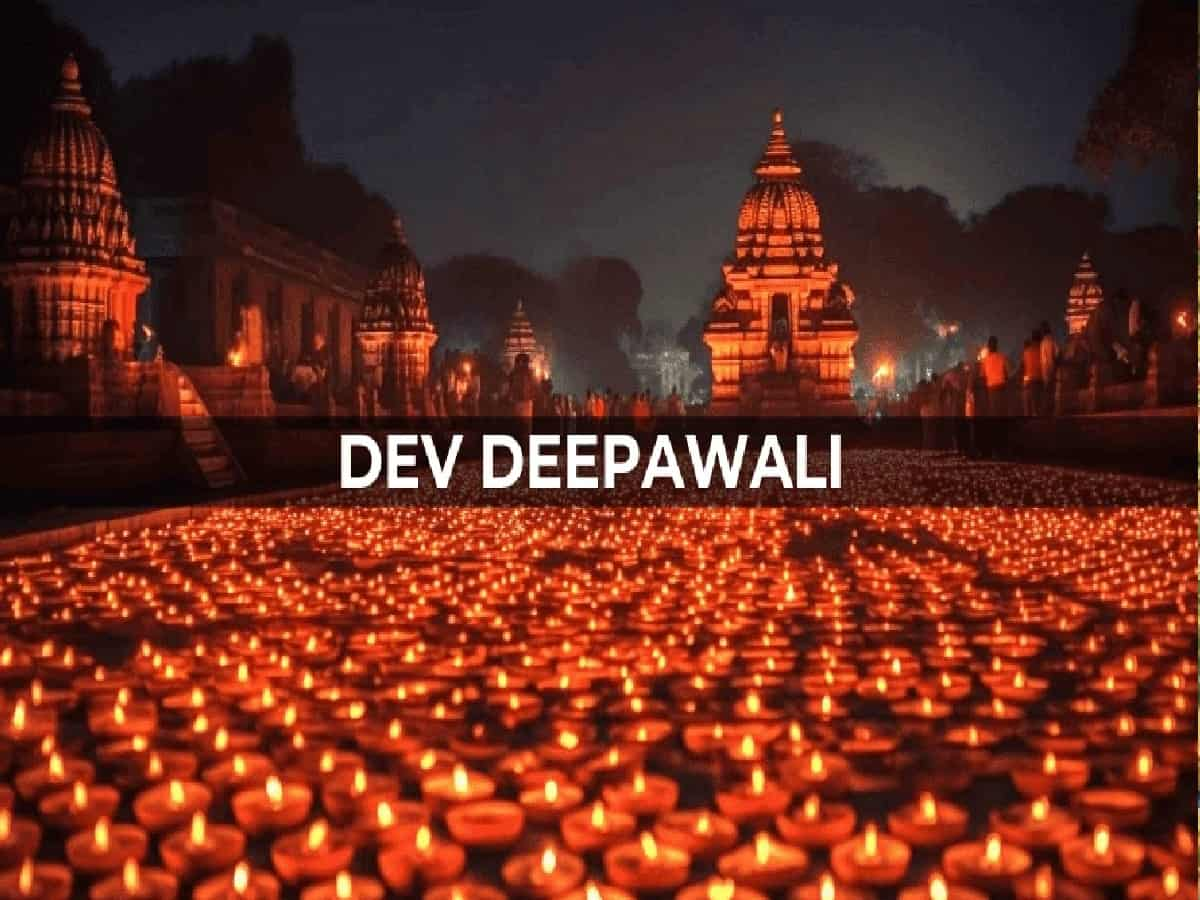
Dev Deepawali 2026: Why Kashi Celebrates 15 Days After Diwali
While millions of homes across India illuminate their courtyards on the dark new moon night of Kartik Amavasya to celebrate Diwali, the ancient spiritual capital of Kashi (Varanasi) reserves its most breathtaking celestial spectacle for exactly fifteen days later. On the full moon night of Kartik Purnima, the sacred ghats stretching along the crescent-shaped banks of the River Ganga come alive with the glow of millions of flickering earthen lamps (diyas) for Dev Deepawali—literally translated as the "Diwali of the Gods." Drawing hundreds of thousands of devotees, saints, and travelers from Lucknow, Prayagraj, Ayodhya, New Delhi, and across the globe, Dev Deepawali 2026 will be celebrated with grand spiritual fervor on Tuesday, November 24, 2026. Behind this mesmerizing tradition lies an extraordinary Puranic legend recounting the defeat of a tyrannical demon, the gratitude of the heavens, and the night all the gods and goddesses descended upon Kashi to celebrate alongside Lord Shiva.
Why Is Dev Deepawali Celebrated 15 Days After Diwali
According to Hindu scriptures and centuries-old tradition in Varanasi, Dev Deepawali commemorates Lord Shiva’s triumph over the mighty demon Tripurasura and the joyous arrival of all celestial deities in Kashi to honor Mahadev. In ancient cosmic lore, Tripurasura—comprising three formidable demon brothers who ruled three impregnable flying fortresses made of gold, silver, and iron—unleashed relentless terror across all three realms: heaven (Swarga), earth (Prithvi), and the netherworld (Patala). Having conquered the heavens and driven the deities out of their celestial abodes, Tripurasura’s tyranny threatened the moral and cosmic balance of the entire universe.
Overwhelmed by the demon’s power and unable to defeat him on their own, the distressed gods and goddesses approached Lord Shiva in Kailash, praying for protection and deliverance. Moved by their plea, Mahadev assumed his fierce, awe-inspiring cosmic manifestation as Tripurari—the destroyer of the three cities. Mounting a divine chariot fashioned from the earth, sun, moon, and Vedas, Lord Shiva pierced all three fortresses with a single celestial arrow, slaying Tripurasura and liberating the three worlds from fear. Overjoyed by the end of the demon’s reign and filled with boundless gratitude toward Mahadev, all the gods and goddesses descended from heaven to Lord Shiva’s beloved city of Kashi on the auspicious full moon night of Kartik Purnima. To express their devotion, the deities bathed in the holy Ganga and lit millions of lamps along the riverbanks—giving birth to the eternal tradition of Dev Deepawali fifteen days after earthly Diwali. This sacred episode is vividly chronicled in the fifth section of the Rudra Samhita of the Shiva Mahapuran.
Dev Deepawali 2026 Date and Kartik Purnima Panchang Timings
For devotees planning pilgrimages, ritual baths, or household Deepdaan (lamp offerings) in 2026, tracking the exact lunar calendar (Panchang) timings is essential. According to the Vedic calendar, the auspicious Kartik Purnima Tithi begins late on the night of November 23 and extends through the evening of November 24, 2026. Because traditional Dev Deepawali celebrations and lamp lighting take place during Pradosh Kaal (sunset and early evening) while Purnima prevails, the main festival will be observed nationwide and in Varanasi on Tuesday, November 24, 2026.
| Festival Milestone / Panchang Detail | Date & Exact Muhurat Timing (2026) |
| Festival Name | Dev Deepawali (Kartik Purnima) |
| Kartik Purnima Tithi Begins | 11:42 PM on Monday, November 23, 2026 |
| Kartik Purnima Tithi Ends | 08:23 PM on Tuesday, November 24, 2026 |
| Main Celebration Day | Tuesday, November 24, 2026 |
| Primary Rituals | Kartik Snan (holy Ganga dip), Deepdaan (lighting lamps), Daan (charity) |
Spiritual Significance of Ganga Snan, Deepdaan, and Charity
In Sanatana Dharma, Dev Deepawali stands as a timeless symbol of the victory of light over darkness and righteousness (dharma) over arrogance and evil. Devotees believe that on Kartik Purnima evening, the celestial deities still descend invisibly to the ghats of Kashi to worship Lord Vishwanath and Goddess Ganga, making every prayer offered on this night extraordinarily potent. According to scriptural belief, taking a sacred bath in the Ganga (Ganga Snan) during Kartik Purnima and performing Deepdaan—lighting earthen lamps filled with ghee or sesame oil near temples, rivers, ponds, or home thresholds—absolves past sins and relieves deep-seated sorrows and worldly struggles.
Alongside bathing and lamp offerings, charity (Daan) holds special spiritual weight on Dev Deepawali. Scriptures state that donating food grains, warm winter clothing, sesame seeds, ghee, or financial assistance to the needy on Kartik Purnima multiplies spiritual merit (punya), removes obstacles to financial stability, and ushers lasting peace, happiness, and prosperity into the devotee’s household.
How Kashi Transforms Into a Celestial Spectacle on Kartik Purnima
As dusk settles over Varanasi on Dev Deepawali, the city’s iconic stretch of more than eighty ghats—from Assi Ghat and Dashashwamedh Ghat to Manikarnika and Panchganga Ghat—transforms into a river of golden light that mirrors the stars above. Local residents, priests, volunteers, and visitors from neighboring cities like Lucknow and Prayagraj join hands to arrange intricate rangoli patterns and rows of earthen diyas across every stone step leading down to the water. When priests blow sacred conch shells (shankh) and perform the synchronized Maha Ganga Aarti with towering brass lamps amidst chanting mantras and devotional music, the boundary between heaven and earth seems to dissolve—reminding millions why Kashi remains the eternal city of light.




