







'Daridra Bhag Ja': 4 AM After Diwali to Beat the 'Soop' and Banish Poverty
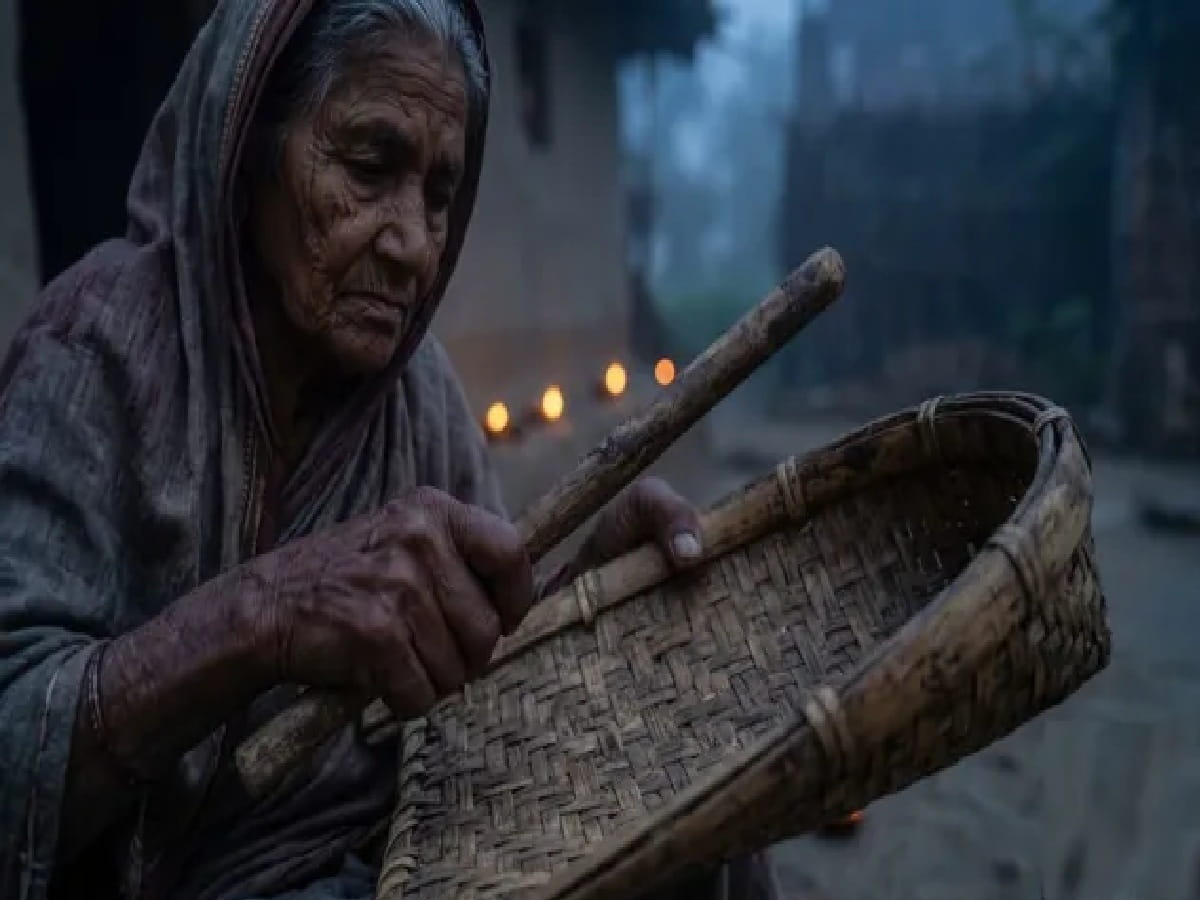
As dawn breaks at 4:00 AM across the villages and towns of Bihar on the morning after Diwali, courtyards and alleyways resonate with a distinct, rhythmic clatter accompanied by the resonant chant of "Daridra Bhag Ja" (Flee, O Poverty). Observed during the sacred predawn window of Brahma Muhurta, this vibrant folk ritual involves elders walking through every corner of the house while striking a traditional bamboo winnowing tray (soop) with a wooden pestle or stick. While the practice often piques the curiosity of outsiders unfamiliar with eastern India's rich agrarian traditions, the observance embodies a profound philosophical sequence: having invoked and welcomed Goddess Lakshmi into illuminated homes during the night of Deepavali, the morning marks a deliberate, physical, and spiritual purge to drive out lingering misfortune, sluggishness, and deprivation before the sunrise of the new year.
The Philosophy of the Winnowing Basket: How the 'Soop' Separates Sustenance from Scarcity
The selection of the bamboo winnowing basket, known locally as the soop, is deeply rooted in Bihar's rural agrarian ethos and domestic culture. In rural households, the soop serves as an indispensable daily utensil used to winnow grain, expertly separating nourishing rice and lentils from useless husks, dust, and pebbles. Within the context of the post-Diwali ritual, the implement transforms into a potent cultural metaphor: striking it symbolizes the retention of productive labor, food security, and divine grain, while actively filtering out hunger, scarcity, and economic adversity. Traditionally spearheaded by the eldest member of the family, the rhythmic drumming and authoritative chant carry the combined weight of ancestral blessings and protective guardianship, leaving an indelible sensory memory for younger generations who participate in greeting the new dawn free of negative omens.
Brahma Muhurta Cleansing: Why the 'Soop' is Banished or Burned at Village Boundaries
The culmination of the ritual extends beyond the walls of the dwelling to permanently seal the departure of hardship. After the family elder beats the soop through rooms, storage areas, and balconies to mobilize and expel stagnant, dark energies, the battered winnower and stick are carried beyond the threshold of the home. Depending on local village customs, the items are either discarded at crossroads outside the village boundary or burned in a purifying fire outside the domestic premises. Leaving the utensils beyond municipal or village borders signifies an unyielding refusal to harbor poverty within the community, while consigning them to flames represents the total annihilation of misfortune. Through this evocative synthesis of sound, symbolism, and action, Bihar's post-Diwali dawn celebration reinforces that authentic prosperity requires not just inviting abundance, but actively clearing away adversity and stagnation.




