







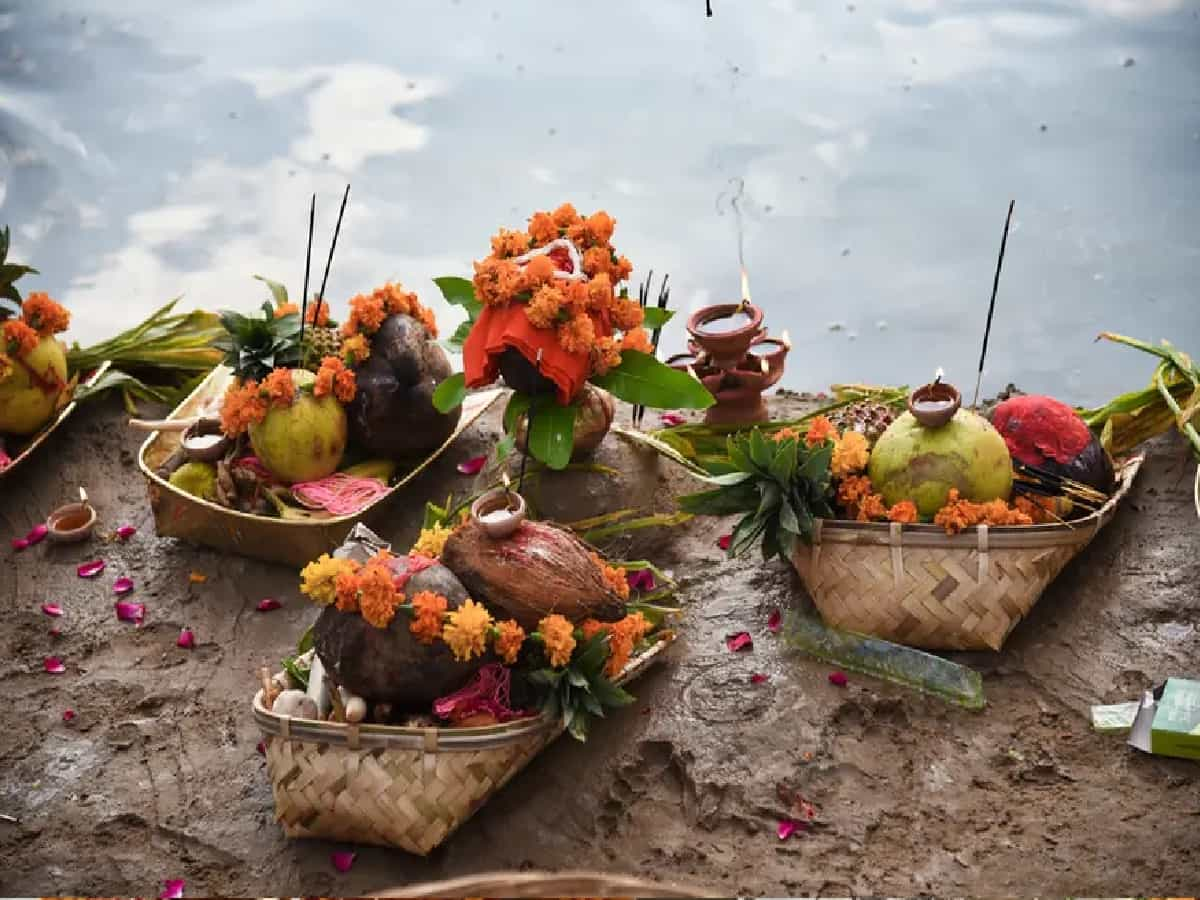
Chhath Puja 2026 Starts Today: Nahay-Khay Vidhi & Sun Mantras
A deeply devotional atmosphere has enveloped households and riverfronts across the country as the sacred four-day Chhath Mahaparva 2026 officially commences today, Friday, November 13, 2026, with the purifying ritual of Nahay-Khay. Celebrated from November 13 to November 16 according to the Hindu lunar calendar, this ancient festival of folk faith begins on the fourth lunar day (Chaturthi) of the bright fortnight (Shukla Paksha) in the month of Kartika and culminates on the seventh day (Saptami). Across spiritual and cultural hubs from the Gomti riverfront in Lucknow and the sacred Ganga ghats of Varanasi and Patna to Gorakhpur, Ayodhya, Ranchi, New Delhi, and Mumbai, devotees (vratis) have begun the rigorous preparations for worshipping Lord Surya (the Sun God) and Chhathi Maiya. Over the course of Nahay-Khay, Kharna, Sandhya Arghya, and Usha Arghya, fasting devotees undertake an arduous 36-hour waterless (nirjala) fast, praying for the health, longevity, and prosperity of their children and families.
Significance and Auspicious Timings of Nahay-Khay 2026
Literally translating to "bathe and eat," Nahay-Khay serves as the essential physical, mental, and spiritual foundation for the demanding days of penance that follow. On this opening morning, devotees wake up early before dawn, take a purifying bath in sacred rivers such as the Ganga, Gomti, Saryu, or Yamuna—or bathe at home using water mixed with sacred Ganga Jal—and wear fresh, clean traditional attire. Once bathed, the vrati thoroughly cleanses the entire home, courtyard, and kitchen to remove any trace of impurity before lighting a lamp and offering morning water (Arghya) to the rising Sun.
According to the Vedic Panchang, the auspicious Kartik Shukla Chaturthi Tithi governing Nahay-Khay began at 6:09 PM on Thursday, November 12, 2026, and remains in effect until 8:42 PM tonight, November 13, 2026. In New Delhi, sunrise on Friday morning was recorded at 6:42 AM, with sunset scheduled for 5:28 PM, though exact sunrise and sunset timings vary by a few minutes across eastern and western cities such as Patna, Lucknow, Varanasi, and Mumbai. Performing the holy bath, household purification, and satvik meal rituals during daylight hours within Chaturthi Tithi is considered highly auspicious for initiating the Chhath sankalp (sacred vow).
| Nahay-Khay 2026 Key Detail | Schedule & Traditional Guidelines |
| Festival Opening Date | Friday, November 13, 2026 (Day 1 of 4-Day Chhath Mahaparva) |
| Kartik Shukla Chaturthi Tithi | Begins 6:09 PM (Nov 12) to Ends 8:42 PM (Nov 13) |
| Reference Solar Timings | Sunrise: 6:42 AM / Sunset: 5:28 PM (New Delhi; varies slightly by city) |
| Traditional Satvik Meal | Kaddu-Bhaat (Bottle gourd curry, steamed rice, and chana dal) |
| Strict Dietary Rules | Cooked with rock salt (sendha namak) & ghee; zero onion, garlic, or processed food |
Why Kaddu-Bhaat and Chana Dal Are Prepared on Nahay-Khay
One of the most cherished traditions of Nahay-Khay is the preparation and consumption of Kaddu-Bhaat—a simple, wholesome satvik meal centered on bottle gourd (lauki or ghiya, traditionally referred to as kaddu in Purvanchal and Bihar), Bengal gram lentils (chana dal), and steamed rice. Prepared exclusively by the vrati in a freshly sanitized kitchen using pure cow ghee and rock salt (sendha namak), this meal marks the formal start of the Chhath fast. From the moment Nahay-Khay begins until Parana concludes on November 16, onion, garlic, regular table salt, and all packaged or processed foods are strictly prohibited inside the household.
Beyond religious sanctity, this traditional menu reflects remarkable ancestral wisdom regarding nutrition and human physiology. Bottle gourd is composed of more than ninety percent water and essential minerals, making it cooling, light on the stomach, and ideal for deeply hydrating the body before the upcoming waterless fast. Steamed rice provides gentle, easily digestible carbohydrates without straining the digestive system, while protein-rich chana dal delivers sustained, slow-release energy. Together, these three pure ingredients nourish and stabilize the body, helping devotees endure the physical rigor of the 36-hour nirjala observance with strength and composure.
Step-by-Step Nahay-Khay Puja Vidhi to Worship Lord Surya
Observing Nahay-Khay with proper devotion follows a serene, time-honored sequence centered on cleanliness, gratitude, and self-restraint:
-
Morning Purification and Surya Arghya: Bathe early in the morning in a holy river or clean water at home, wear fresh clothes, and offer pure water from a copper vessel to the rising Sun while praying for strength to complete the four-day fast without obstacle.
-
Sanctifying the Kitchen and Ingredients: Clean the cooking stove and utensils thoroughly before preparing the satvik meal. Wash the bottle gourd, chana dal, and rice with clean water and cook them peacefully with pure cow ghee, turmeric, cumin, and rock salt.
-
Offering Bhog Before Eating: Once the meal is ready, place a portion of Kaddu-Bhaat and chana dal on a clean plate or banana leaf, light a ghee lamp and incense, and offer the food first to Lord Surya and Chhathi Maiya with folded hands.
-
Vrati Eats First, Followed by Family Prasad: In accordance with Chhath tradition, the fasting devotee partakes of the sanctified meal first in quiet gratitude. Only after the vrati has finished eating do other family members and guests accept the remaining food as sacred prasad.
Sacred Surya Pujan Mantras to Chant During Worship
While offering water to Lord Surya and lighting lamps on Nahay-Khay, devotees recite ancient Vedic and Puranic mantras invoking solar radiance, vitality, and divine grace. Chanting these sacred verses with focused devotion is believed to purify the mind and invite blessings for family welfare:
-
Moola Surya Mantra: "Om Ghrini Suryaya Namah" — Salutations to Lord Surya, the radiant source of warmth, energy, and cosmic light.
-
Wish-Fulfilling Surya Mantra: "Om Hreem Hreem Suryaya Sahasrakiranaraya Manovanchhit Phalam Dehi Dehi Swaha" — O Lord Surya of a thousand illuminating rays, light of the universe and compassionate protector of devotees, bestow auspicious blessings and fulfill our heartfelt prayers.
-
Navagraha Surya Stotra: "Japa Kusuma Sankasham Kashyapeyam Mahadyutim, Tamorim Sarvapaapaghnam Pranatosmi Divakaram" — I bow to the radiant Sun God, brilliant as the hibiscus flower, son of Sage Kashyapa, destroyer of darkness and all impurities, and maker of the day.
As millions of families across Lucknow, Varanasi, Patna, Gorakhpur, New Delhi, and beyond complete today’s Nahay-Khay rituals, attention now turns toward Saturday’s sacred Kharna observance—carrying forward a timeless festival of faith, purity, and gratitude toward nature.




