Can Leftover Shraddha Ritual Materials Be Used in Daily Puja, Expert Insights Explained
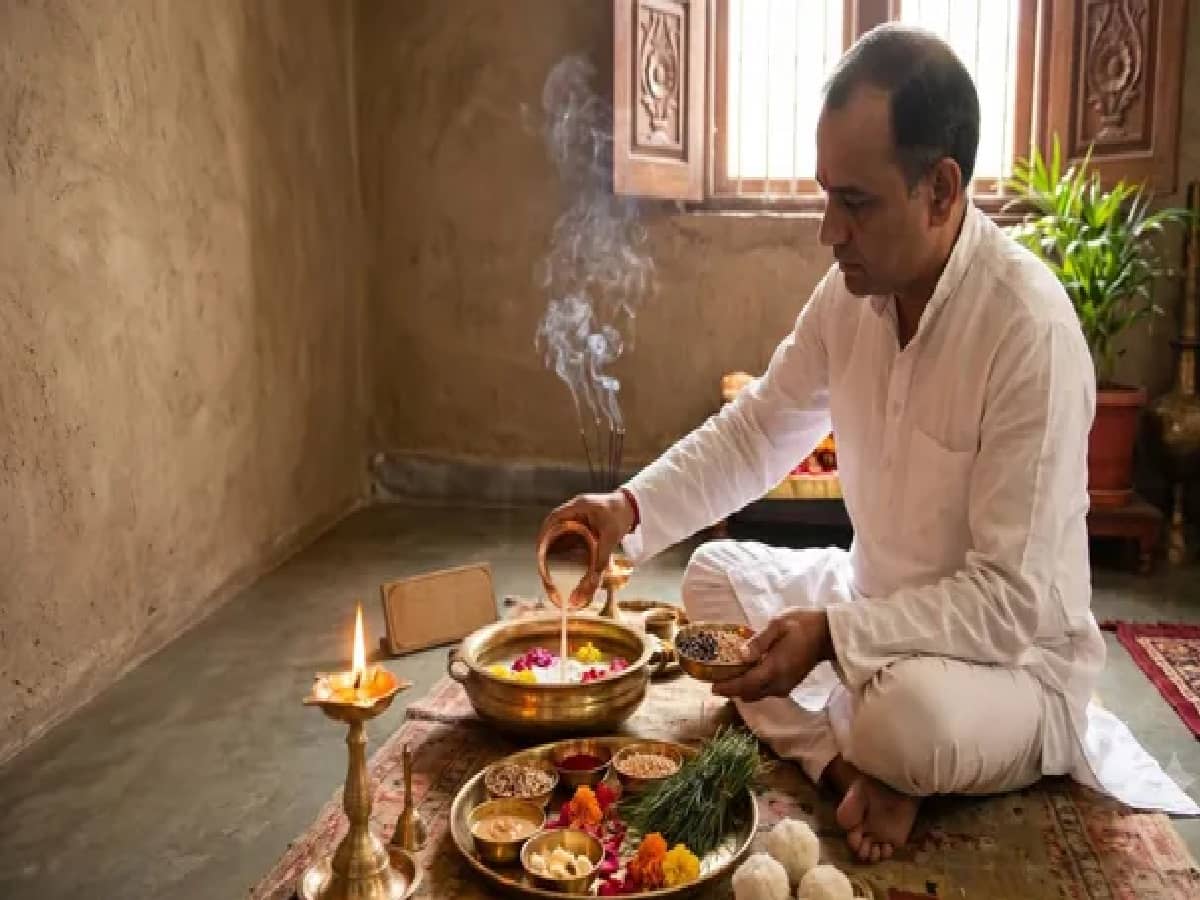
During the sacred fortnight of Pitru Paksha, Hindu households across the country engage in solemn rituals, Pind Daan, and Tarpan to honor their departed ancestors and seek their divine blessings. Naturally, families gather various sacred items for these rituals, including black sesame seeds (kale til), barley (jau), rice flour, roli, kalava (sacred red thread), cow dung cakes, and flower garlands. Because many of these items overlap with the materials used in regular daily worship of gods and goddesses, a common question frequently arises among devotees: Can leftover materials from Shraddha rituals be used later in daily deity worship? Religious scriptures and spiritual experts provide clear boundaries on how ancestral items should be handled to maintain spiritual purity at home.
Separate Spheres: Why Ancestral Materials Differ From Deity Puja Items
According to Vedic texts and Puranic traditions, the spiritual positioning and domain of ancestors (Pitrus) differ fundamentally from those of deities (Devatas):
-
Distinct Spiritual Realms: In Hindu philosophy, deities represent cosmic energy, while ancestors belong to the mortal lineage of souls. Consequently, rituals dedicated to ancestral appeasement carry a distinct energetic vibration compared to daily temple or home worship.
-
Exclusive Dedication of Shraddha Items: Any substance, grain, flower, or sacred thread touched, offered, or utilized during Pind Daan, Tarpan, or ancestral oblation becomes exclusively dedicated to the Pitrus.
-
The Rule Against Mixing: Spiritual scholars advise that items specifically set aside or used for Shraddha should never be repurposed for the worship of common gods and goddesses, nor should they be utilized for general household chores.
Common Items Used in Pitru Paksha vs. Daily Worship
Many households wonder why everyday items cannot be reused simply because they appear identical:
-
Shared Ingredients: Materials like black sesame seeds, barley, rice, ghee, camphor, cloves, cardamom, and roli are standard staples in both daily puja and Shraddha ceremonies.
-
The Intent Matters: While these items are pure in their raw form, once they are consecrated with specific ancestral mantras and offered during Pitru Paksha rites, their energetic purpose shifts entirely toward honoring departed souls. Reusing them for God worship violates traditional ritual etiquette.
What Should Be Done With Leftover Shraddha Materials
Rather than letting leftover ancestral offerings sit in cupboards or mixing them into daily prayer spaces, families should follow traditional immersion protocols:
-
Store Separately Until Amavasya: Keep all remnants of the ritual neatly contained in a designated, clean cloth or paper bag away from your regular temple space throughout Pitru Paksha.
-
The Final Immersion: Following the conclusion of Sarva Pitru Amavasya, gather all leftover materials and securely remove them from the home.
-
Holy Disposal: Immerse the remaining items with reverence in a flowing holy river, or respectfully bury them beneath the soil near a Peepal tree, ensuring they are never carelessly thrown into household garbage or repurposed for meals and deities.