Can a Son-in-Law Perform Shraddha for In-Laws, Garuda Purana Rules
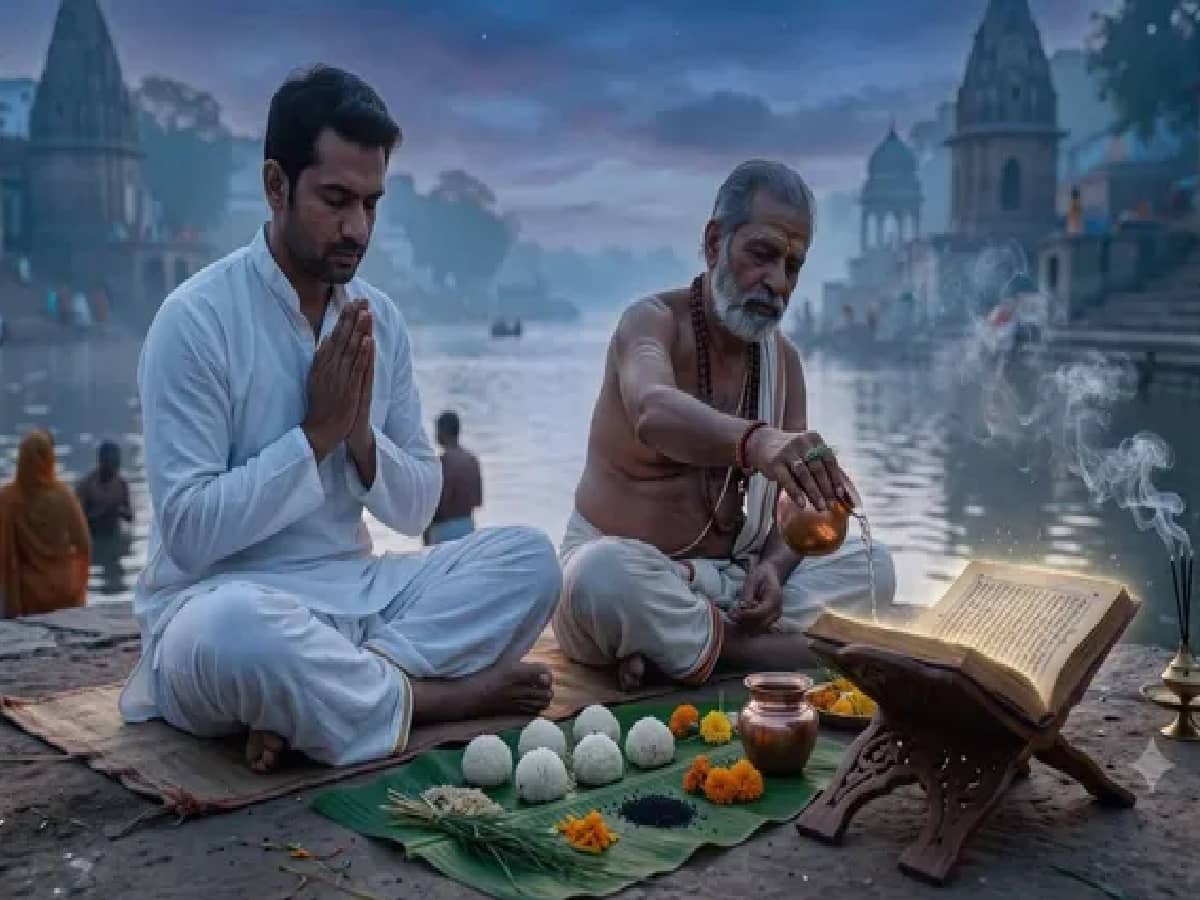
In the sacred tradition of Hindu funeral and memorial rites, the Garuda Purana establishes precise guidelines for conducting Shraddha and offering Pind Daan during the solemn fortnight of Pitru Paksha. These ancient observances are meticulously designed to ensure the peaceful passage and spiritual liberation of departed souls. According to scriptural doctrine, the primary right and solemn duty to perform Tarpan and Shraddha rests strictly with the eldest son of the deceased. In the absence of a direct biological son, the spiritual succession moves to the paternal grandson (son's son), and should he be unavailable, the duty transitions to the daughter's son (maternal grandson). This strict ancestral order frequently raises pressing dilemmas for families without sons or grandsons, leading many to wonder whether a son-in-law (Damad) possesses the theological sanction to step in and conduct ancestral rites for his parents-in-law.
The Doctrinal Prohibition: Why Sons-in-Law Are Traditionally Barred From Shraddha
Under general scriptural principles, the Garuda Purana advises against a son-in-law performing the funeral or Shraddha ceremonies of his in-laws, even though he is socially revered and treated with the affection of a son. The root of this restriction lies in the etymology of lineage: the sacred term "Putra" is formed from "Pu" (meaning hell or consequence of sin) and "Tra" (meaning deliverer or protector), defining a son as the one divinely destined to liberate ancestors from karmic entanglements. Because a son-in-law belongs to a distinct Gotra and spiritual lineage, scriptures hold that his performance of these rites does not deliver liberation to the departed souls, leaving ancestors unappeased. For the same theological reasoning, a son-in-law is traditionally prohibited from carrying the funeral bier (Arthi) of his mother-in-law or father-in-law or lighting the funeral pyre, as doing so is believed to diminish the accumulated spiritual merits (Punya) of both parties.
Special Exceptions and Strict Protocols: Rare Circumstances Where Pind Daan Is Permitted
Despite the overarching scriptural restriction, the Garuda Purana outlines limited and extraordinary exceptions where a son-in-law may perform Shraddha rituals. In situations where a deceased individual leaves behind no direct male progeny—having neither a son, paternal grandson, nor maternal grandson—and the son-in-law's own biological parents are alive, he may undertake the Pind Daan rites specifically upon the explicit consent and request of his wife (the deceased's daughter). Even under these rare conditional allowances, the ritual carries stringent prerequisites: it must never be performed under family pressure, social obligation, or harbor negative sentiment. Furthermore, the son-in-law must observe the rites with pure devotion, and if he happens to be the youngest son within his own biological family, he is strictly forbidden from assuming the role, ensuring that scriptural integrity and ancestral peace remain uncompromised.