







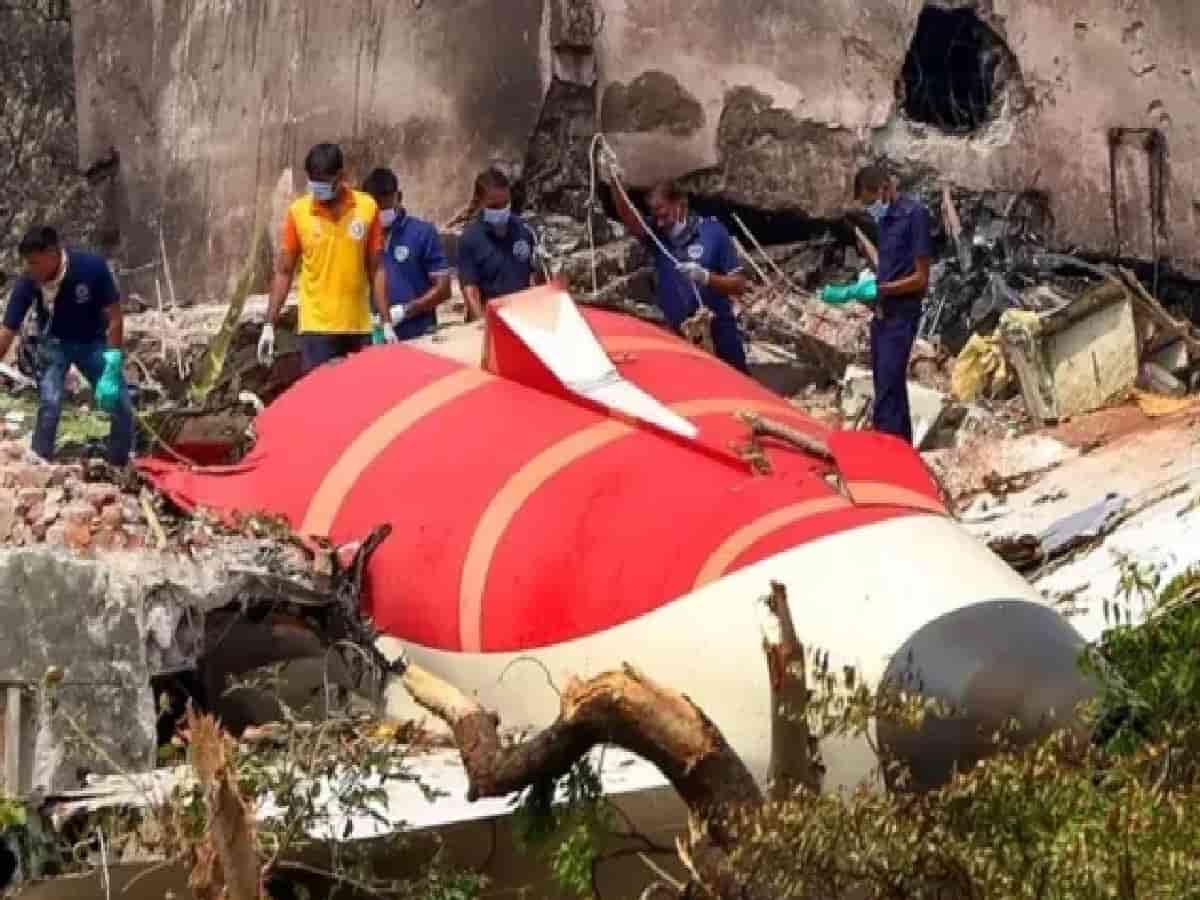
Why No Boeing 787 Fleet Warnings? US Safety Watchdog Confronts AAIB Over Ahmedabad Air Crash
In a major international development surrounding commercial air travel, the US-based aviation watchdog Foundation for Aviation Safety (FAS) has officially challenged India's Aircraft Accident Investigation Bureau (AAIB) over its handling of the probe into the devastating Ahmedabad plane crash. The fatal accident involving an Air India Boeing 787 Dreamliner (Flight AI171, registration VT-ANB) claimed 260 lives, leaving the global aviation sector demanding answers. Despite securing evidence of chronic, unresolved technical defects in the aircraft's critical infrastructure, Indian investigators have not issued urgent fleet-wide advisories or interim technical directives to worldwide operators, prompting intense scrutiny from international experts.
Critical Flaws Uncovered: Over 100 Non-Public Records Transmitted via UK Investigators
The controversy escalated after FAS revealed that it obtained more than 100 technical documents and internal maintenance records tied to the downed Dreamliner that had remained withheld from the public domain. These operational dossiers were formally submitted to India's AAIB through an accredited technical investigator from the United Kingdom's Air Accidents Investigation Branch. In an urgent communication dispatched to the Director General of the AAIB on August 29, FAS Executive Director Ed Pierson warned that these records are pivotal to understanding the aircraft's historical mechanical degradation. The technical files reportedly document persistent, recurring malfunctions throughout the jetliner's complex electrical architecture, integrated electronic components, and automated flight control computer systems prior to the fatal flight.
Whistleblower Concerns Mount: AAIB Accused of Delaying Crucial Global Fleet Advisories
Ed Pierson, a former senior operations manager at Boeing's Renton assembly facility who previously raised internal warnings regarding assembly-line fatigue and production errors before founding FAS, sharply criticized the Indian agency's posture. Pierson asserted that by choosing not to publish these crucial technical findings, the AAIB is falling short of its primary statutory obligation to avert catastrophic aviation accidents through prompt transparency. The advocacy group emphasized that with hundreds of Boeing 787 airliners ferrying passengers daily across international airspace, withholding interim safety recommendations regarding identified electrical and flight control vulnerabilities exposes the broader global flying public to unmitigated operational risks.
Regulatory Exchange: AAIB Reaffirms Impartiality While Silent on Concealment Claims
The dispute between the US monitoring entity and Indian regulators is documented across formal correspondence exchanged in late August. On August 21, the Foundation for Aviation Safety formally petitioned the AAIB for official status as an investigation stakeholder, demanding that its compiled technical dossier be entered into the central evidentiary archive. In a written response issued on August 26, the AAIB verified that it took possession of the technical files on June 10 via the UK expert and noted that its multidisciplinary panel had thoroughly examined the materials. The regulatory body defended its integrity, stating that the inquiry is being executed in an impartial, objective, and transparent framework strictly compliant with standard international protocols. However, the Indian bureau offered no formal reply to a follow-up letter from FAS dated August 28 that directly alleged the agency was suppressing critical airworthiness data concerning the Boeing 787 platform.