"We'll Seek China's Help": Manipur Naga Group Issues Dire Border Security Warning
Tensions have escalated sharply in Manipur as Tangkhul Naga student organizations and civil society groups issued a provocative ultimatum, stating they could seek assistance from neighboring countries like China if New Delhi and the state government fail to guarantee their safety. Speaking in Imphal, Yarchuiso Kashung, president of the Tangkhul Aje Katmanao Long (TAKL) also known as the Southern Tangkhul Students' Union, voiced deep frustration over the ongoing neglect of indigenous communities residing in sensitive tracts along the India-Myanmar border. The leadership asserted that continued administrative apathy leaves local populations with no viable alternative but to look beyond national borders for protection against mounting violence.
Demand for Chief Minister's Resignation
The unrest stems from a growing sense of isolation and alienation among border residents who feel entirely abandoned by both the Manipur state administration and the central government. Kashung emphasized that if the Chief Minister lacks the capacity or willingness to safeguard the state and its inhabitants, ethical responsibility demands his immediate resignation. Highlighting recent tragedies, leaders pointed to a string of civilian killings across Tamenglong, Senapati, and Kamjong districts, including the tragic death of a 17-year-old Liangmei Naga boy, three Mao Naga civilians, and four Tangkhul Naga individuals in Pilong, Kamjong.
Deepening Ethnic Tensions in Manipur
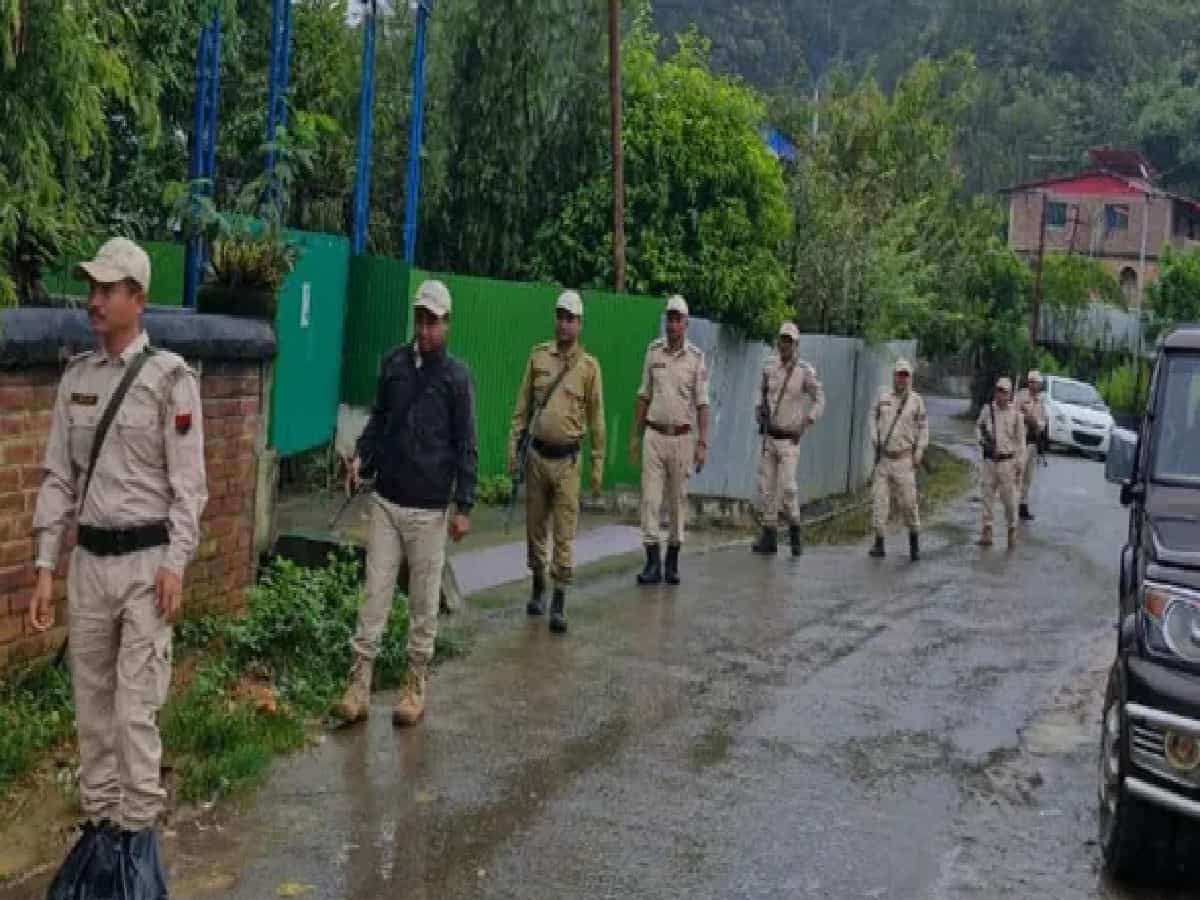
This friction unfolds against the volatile backdrop of the Naga-Kuki-Zo conflict that has persisted since February, compounding security challenges across vulnerable rural sectors. Civil society representatives demanded absolute accountability from authorities and immediate deployment of robust protective measures to prevent further loss of innocent lives. The stern warning underscores a critical security vulnerability along India's northeastern frontier, where prolonged ethnic friction risks fracturing public trust in state machinery and straining national integration frameworks.