







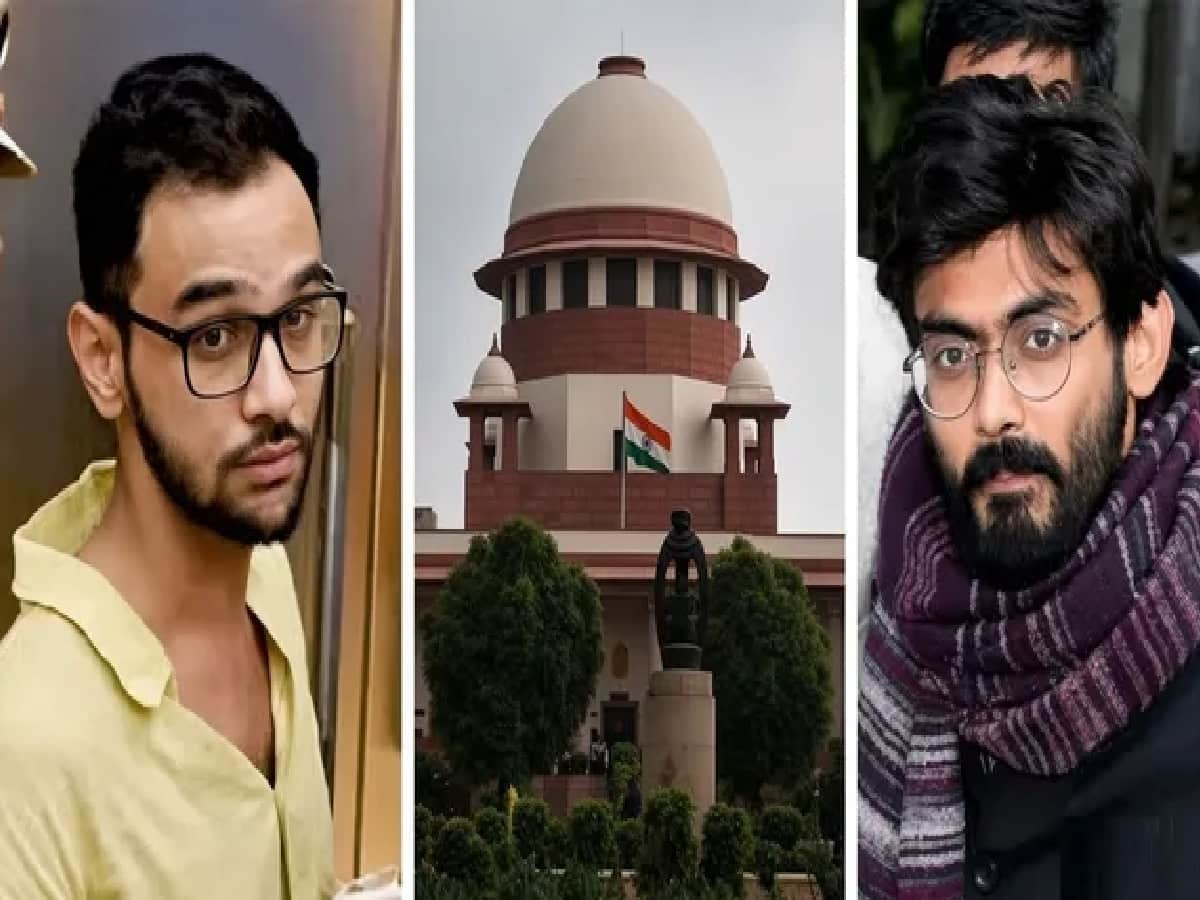
Umar Khalid, Sharjeel Imam Bail Pleas in Supreme Court Today
The Supreme Court of India is set to hear the bail petitions of Umar Khalid and Sharjeel Imam today, Wednesday, November 25, 2026, in a closely watched hearing tied to the February 2020 North-East Delhi riots larger-conspiracy case registered under the Unlawful Activities (Prevention) Act (UAPA). Highlighted across national legal desks on Wednesday, November 25, 2026, the petitions challenge earlier Delhi High Court orders refusing them regular bail. According to the Supreme Court's cause list for the day, the pleas are scheduled to come up before a three-judge bench comprising Chief Justice Surya Kant and Justices Joymalya Bagchi and V. Mohana (referenced as Jaymalya Bagchi in cause-list reports). In their submissions before the apex court, both petitioners have sought bail by arguing that the prosecution has still not examined protected witnesses and that the one-year period/window indicated earlier by the Supreme Court is nearing completion. Sharjeel Imam's petition notes that the primary charge sheet was filed on September 25, 2020, naming 18 accused facing trial, and that while the prosecution has cited more than 900 witnesses—including 47 protected witnesses—those protected witnesses remain unexamined, a point echoed in Umar Khalid's plea as well. For legal observers, civil-society watchers, and readers across New Delhi, Lucknow, Mumbai, Bengaluru, Kolkata, Hyderabad, and Patna, today's proceedings focus on prolonged pre-trial incarceration versus stringent statutory bail standards under UAPA.
Umar Khalid & Sharjeel Imam SC Hearing: Bench, Case Background & Grounds
To bring together who is hearing the petitions on Wednesday, November 25, 2026, the core factual and procedural milestones cited in the petitions, and the key legal arguments raised on trial pace and protected witnesses, the tables below summarize the case context:
Supreme Court Listing & Case Timeline Snapshot (Nov 25, 2026)
| Case Element | Reported Details | Legal & Procedural Significance |
| Hearing Date & Bench | Wednesday, November 25, 2026 before Chief Justice Surya Kant and Justices Joymalya Bagchi and V. Mohana. | Places the UAPA bail appeals before a three-judge bench of the Supreme Court of India. |
| Underlying Case & Statute | Challenges Delhi High Court orders denying bail under the Unlawful Activities (Prevention) Act (UAPA) in the alleged larger conspiracy linked to the February 2020 North-East Delhi riots. | Involves strict statutory bail thresholds alongside constitutional scrutiny of trial delay. |
| Charge Sheet & Accused Count | Imam's petition notes the charge sheet was filed on September 25, 2020, with 18 accused facing trial. | Highlights that the prosecution case has been pending for over six years since the initial charge sheet. |
| Witness List & Protected Witnesses | Prosecution has cited over 900 witnesses, including 47 protected witnesses, none of whom have yet been examined according to the petitions. | Forms the centerpiece of the petitioners' argument regarding slow trial progress. |
Core Grounds Raised by Petitioners vs. Prosecution Considerations
| Perspective | Key Points Before the Court | What the Bench Weighs |
| Petitioners (Umar Khalid & Sharjeel Imam) | Cite prolonged custody since 2020, non-examination of 47 protected witnesses among 900+ cited witnesses, and the approaching expiry of the one-year period earlier set by the Supreme Court. | Whether continued pre-trial detention without substantive witness examination infringes personal liberty under Article 21. |
| Statutory & Prosecution Context | Charges invoked under UAPA in a multi-accused conspiracy probe involving witness protection concerns. | Balancing statutory restrictions on bail and witness safety against constitutional speedy-trial principles. |
Why Protected Witness Examination Matters in Long UAPA Trials
In complex multi-accused prosecutions with voluminous witness lists, courts across New Delhi, Lucknow, Mumbai, Bengaluru, Kolkata, and Hyderabad repeatedly confront a central constitutional question: how long an undertrial accused can remain incarcerated when witness examination has barely moved forward. Because 47 protected witnesses form a sensitive core of the prosecution's evidentiary record, whether and how quickly their testimony begins often shapes judicial assessment of trial momentum.
What to Watch From Today's Proceedings in New Delhi
As arguments unfold before Chief Justice Surya Kant's bench on Wednesday, November 25, 2026, court watchers across New Delhi, Lucknow, Mumbai, Bengaluru, and across India will look for whether the Supreme Court seeks a concrete timeline on examining the 47 protected witnesses, issues notice or calls for updated trial status reports, or passes interim or substantive directions on bail.




