Top Jurists Demand Major Judicial Reforms as CJI Defends In-House Accountability
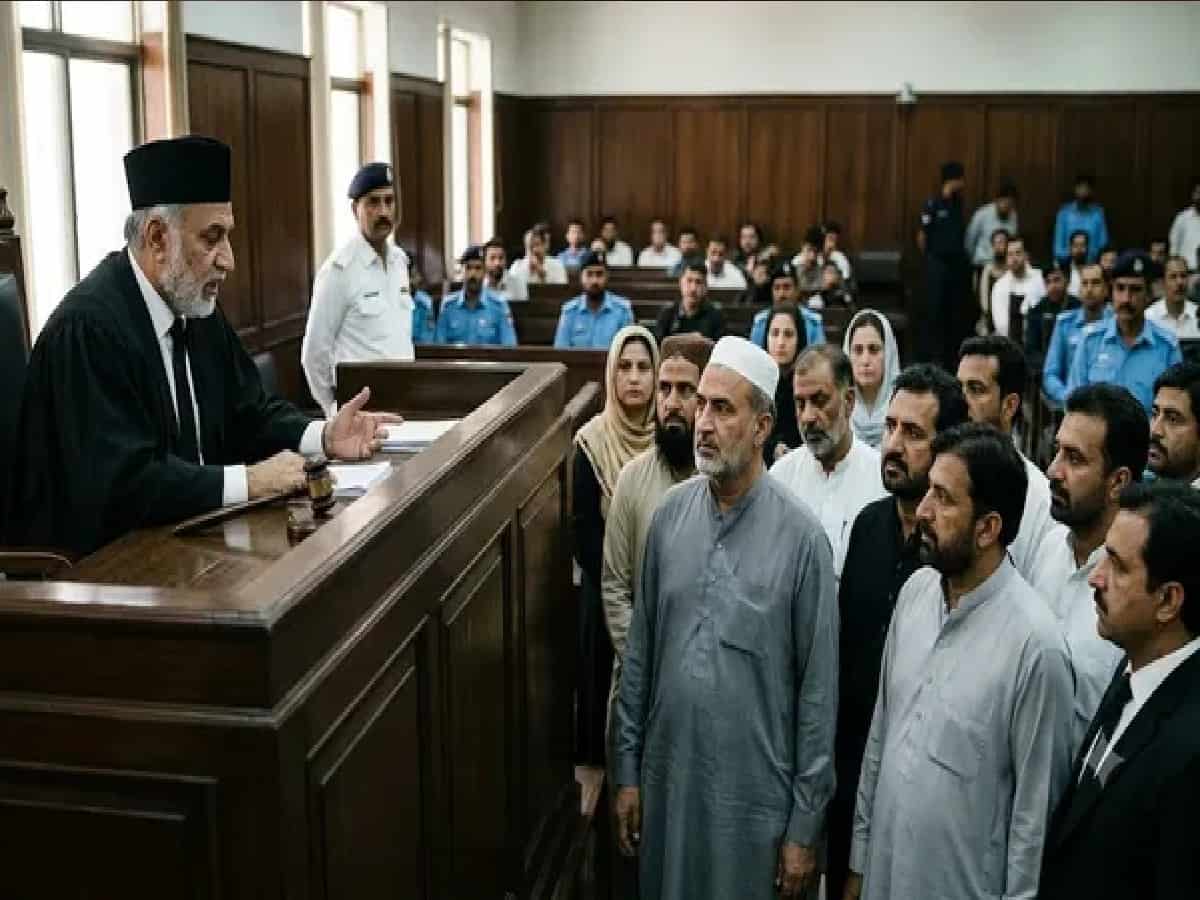
A vigorous public debate on internal judicial transparency, systemic accountability, and self-correction erupted in the national capital as two of India's preeminent legal luminaries—Senior Advocates Harish Salve and Mahesh Jethmalani—called for institutional overhauls reminiscent of the judicial restructuring that followed the 1975–1977 Emergency. Speaking at the prestigious Ram Jethmalani Memorial Lecture, both senior counsel voiced strong concerns regarding the preservation of public confidence in the judicial establishment, arguing that present institutional grievance redressal structures need urgent modernization to avoid perceived exemptions for sitting judges. The high-profile forum became a stage for frank introspection, bringing systemic friction into sharp focus before an audience comprising distinguished legal practitioners, constitutional jurists, and sitting members of the higher judiciary.
Salve and Jethmalani Challenge In-House Handling of Allegations and FIR Parity
Targeting specific controversies that have shadowed the judicial corridors, Mahesh Jethmalani directly questioned the handling of an incident from March last year involving burnt cash allegedly linked to the official premises of Justice Yashwant Varma. Jethmalani asked why an official First Information Report (FIR) had not been registered under criminal statutes, even as the judge made repeated representations before the Supreme Court seeking the quashing of departmental scrutiny. Senior Advocate Harish Salve reinforced this line of inquiry by drawing a sharp constitutional parallel, questioning whether any elected minister or executive bureaucrat could have avoided an immediate criminal investigation had similar evidence been discovered on their premises. Salve further probed how the higher judiciary would have responded had a Public Interest Litigation (PIL) been filed regarding an identical episode involving someone outside the judicial fraternity, underscoring the urgent necessity of uniform legal standards across all constitutional branches.
CJI Surya Kant Defends Grievance Mechanism: 'Reform Should Be the Norm'
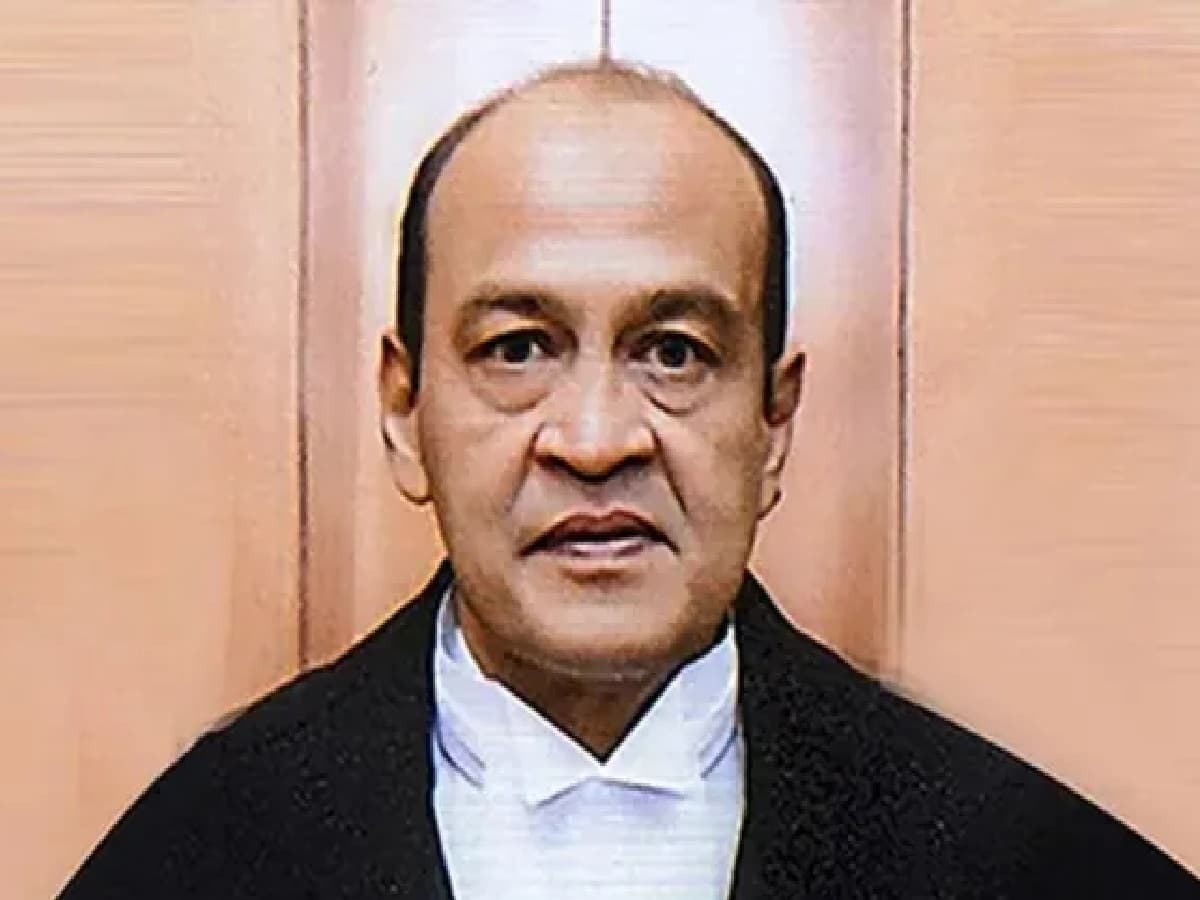
Delivering a measured and firm response from the podium, Chief Justice of India Surya Kant asserted that the grievance redressal apparatus established by the Supreme Court and the various High Courts is exceptionally robust, agile, and structured for swift action against verified complaints. Emphasizing institutional resilience, the Chief Justice affirmed that reform should be the norm rather than a rare intervention, observing that no constitutional body can preserve its vitality or prestige by resisting evolution. While noting that commenting on specific pending matters from an open public forum remains inappropriate, CJI Surya Kant reiterated recent apex court observations that the judiciary is not and cannot be averse to criticism. He maintained that fair, informed, and constructive critique remains a vital pillar of a constitutional democracy that aids self-correction, adding that true transparency encompasses not merely open courtrooms, but ensuring that the core reasoning behind judicial decisions remains fully accessible to the public.
Jethmalani Warns of 'Fixer Lawyers' and Calls for Scrutiny by the Collegium
In a candid assessment of everyday courtroom dynamics, Rajya Sabha Member and Senior Advocate Mahesh Jethmalani warned that corrupt practices cannot take root within judicial benches or appellate tribunals without the active participation of intermediaries he termed "fixer lawyers." Jethmalani asserted that these operators deliberately exploit the litigation ecosystem, suggesting that intelligence agencies likely track their identities and arguing that verified dossiers should be formally shared with the Supreme Court Collegium during judicial appointments and elevations. Concluding his remarks, Jethmalani also voiced sharp concern over the institutional governance of statutory lawyer bodies, expressing reservations regarding administrative efforts to extend the tenure of the Chairman of the Bar Council of India to a five-year term, warning that bar bodies must remain accountable to preserve public trust in the administration of justice.