Supreme Court Push for Permanent 5-Judge Constitution Bench Could Transform Indian Judicial System
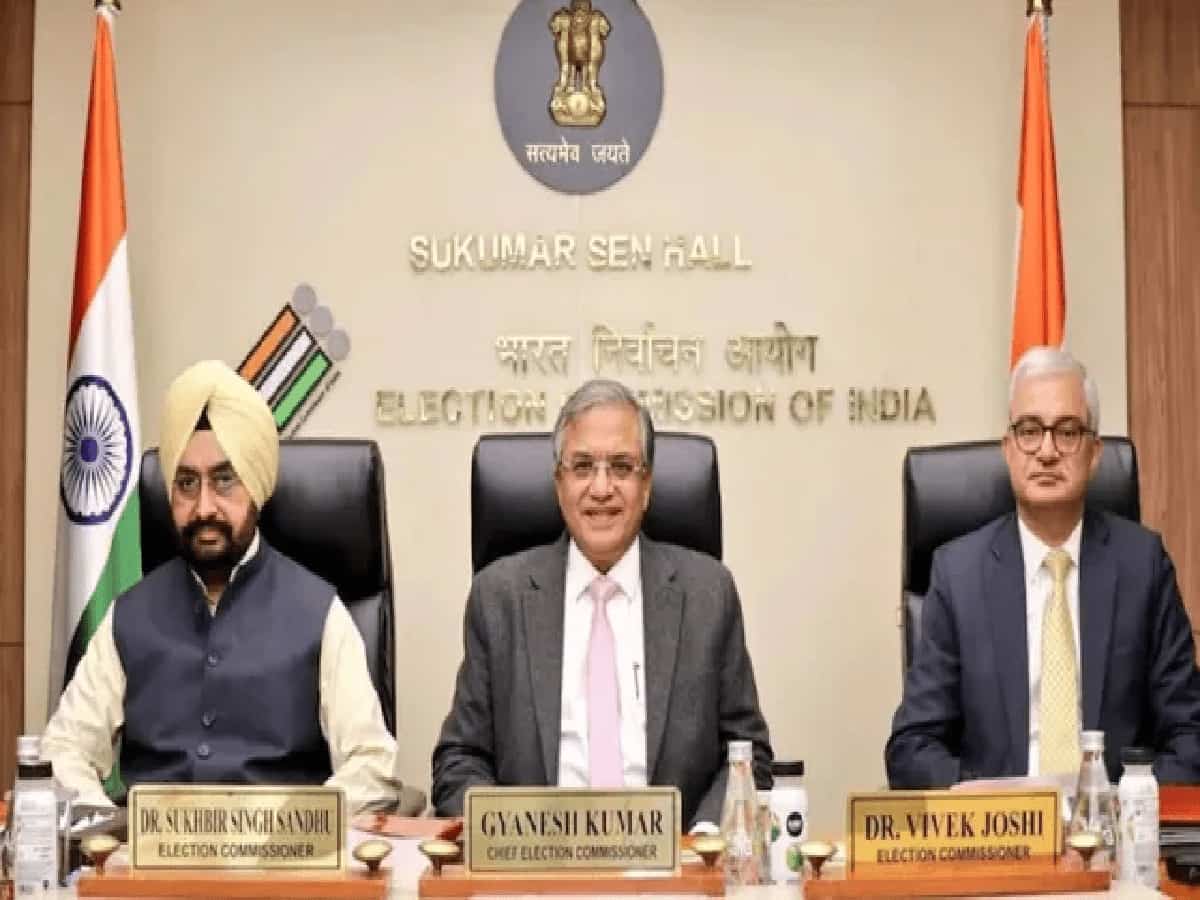
In a move that could reshape how constitutional law is interpreted in India, a two-judge bench of the Supreme Court has called upon Chief Justice of India to introduce a dedicated, permanent five-judge Constitution Bench. The recommendation, brought forward by Justices S.C. Sharma and Dipankar Datta, emphasizes the growing urgency to resolve lingering disputes concerning constitutional boundaries, parliamentary limits, and institutional autonomy, including high-stakes debates surrounding executive selections such as Election Commission appointments.
The Problem of Ad Hoc Benches and Mounting Judicial Backlog
Under the prevailing framework outlined in Article 145(3) of the Constitution of India, any matter involving a substantial question of law as to the interpretation of constitutional texts must be heard by a bench comprising no fewer than five judges. Historically, these benches have been formed on an ad hoc basis, constituted at the discretion of the Chief Justice as urgent matters arise.
This conventional mechanism has introduced persistent logistical bottlenecks. Because Supreme Court judges are continuously occupied with intensive daily rosters, routine mentions, and regular appellate matters, convening five judges concurrently requires dismantling and reforming divisions on a regular basis. The judges noted that this recurring disruption leads to disjointed arguments, extended adjournments, and years of administrative stagnation for matters of national consequence. Currently, approximately 22 foundational matters and nearly 175 tagged or connected petitions remain stalled before five-judge benches in the apex court.
Continuity and Stability in Constitutional Jurisprudence
Establishing a permanent Constitution Bench provides a strategic institutional answer to these scheduling fractures. Having a dedicated panel of jurists focused exclusively on constitutional disputes would guarantee uninterrupted, day-to-day proceedings, enabling the apex court to conclude hearings swiftly without being derailed by unrelated court business.
Beyond administrative efficiency, institutional continuity offers a profound doctrinal benefit: consistency. When judicial interpretation rotates frequently among diverse benches formed at different times, the legal community often observes subtle variations in constitutional philosophy. A stable, dedicated five-judge bench creates an enduring anchor for judicial precedent, ensuring greater predictability and harmony in the interpretation of basic constitutional doctrines.
Transparency in Roster Allocations and Roster Management
A structural overhaul of this magnitude also reshapes administrative transparency within the registry. By creating a dedicated bench, the allocation of vital constitutional challenges becomes more predictable and insulated from logistical friction.
The Chief Justice's role as Master of the Roster involves balancing routine appeals, bail hearings, and critical public interest litigation across dozens of courtrooms. Removing the friction of repeatedly dissolving and assembling five-judge configurations enables smoother registry management and eliminates long procedural gaps between consecutive hearing dates.
Protecting Fundamental Rights and Federal Equilibrium
Constitution Benches bear the ultimate responsibility of safeguarding the democratic architecture of the republic. They interpret the precise legal boundaries between legislative power and executive discretion, uphold the sanctity of fundamental rights, and balance federal relationships between New Delhi and individual state governments.
Whether examining institutional guardrails governing the appointment of constitutional functionaries or assessing the validity of sweeping legislative amendments, these matters shape the long-term democratic landscape. In recent judicial history, targeted Constitution Benches delivered decisive legal clarity on multiple milestone issues, with 16 significant constitutional verdicts handed down during the tenure of former CJI D.Y. Chandrachud. Moving from episodic assemblies to a permanent bench structure marks a vital evolution toward faster, more durable justice for foundational constitutional questions.