







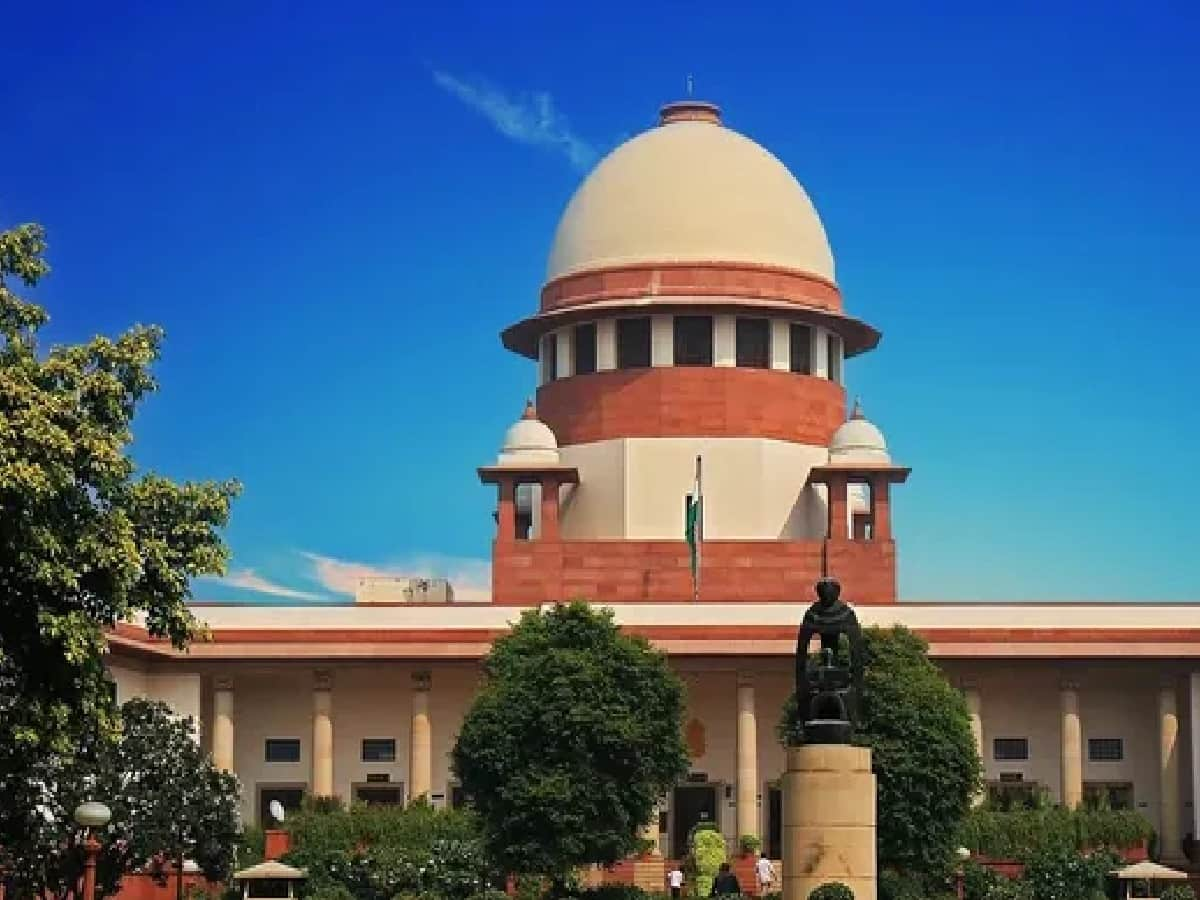
SC Judge Warns Against Wife's $1,500 Pocket Money Demand; Foreign Divorces Ruled Invalid
The Supreme Court of India witnessed a blend of sharp judicial wit and firm legal clarity during matrimonial dispute proceedings on Wednesday, November 4, 2026, when an apex court bench addressed an unusual maintenance claim that saw a wife demanding $1,500 per month specifically as personal "pocket money" over and above all regular living expenses shouldered by her spouse. Presiding over the hearing, a division bench comprising Justice J.B. Pardiwala and Justice K.V. Viswanathan voiced serious reservations about establishing such financial precedents, humorously warning against giving such ideas to wives while contrasting the demanded allowance against their own institutional pay scales. The lively exchange highlighted growing judicial concerns over escalating ancillary claims in ongoing marital litigation across family courts and appellate benches.
'Don't Give Such Ideas': Bench Cites Judicial Pay Scale Over $1,500 Monthly Allowance
Expressing astonishment during oral submissions documented by legal reporting portal Bar & Bench, the bench of Justice Pardiwala and Justice Viswanathan questioned the fundamental concept of mandating separate pocket money when a spouse already finances complete living and household necessities. Warning against the precedent it would set, the judges remarked on the potential domestic repercussions if their own spouses began requesting similar personal allowances, pointing out that their judicial remuneration stands at ₹3 lakh per month, far below the extravagant overseas figures being requested. Emphasizing that entertaining such excessive demands creates unstable matrimonial obligations, the bench cautioned the courtroom against circulating such dangerous ideas, noting that expecting husbands to provide personal discretionary allowances in addition to comprehensive maintenance places an unsustainable strain on family structures.
Foreign Divorce Decrees Ruled Invalid: SC Upholds Section 13 CPC in Second Marriage Case
In a parallel matrimonial ruling holding profound implications for non-resident and cross-border couples, another Supreme Court bench comprising Justice Prashant Kumar Mishra and Justice Chandra Shekhar firmly rejected the legal validity of a foreign divorce decree that ignored statutory Indian family laws. Dismissing a plea filed by an individual seeking to quash criminal proceedings lodged against him for entering into an unlawful second marriage and criminal conspiracy, the apex court clarified that foreign divorces granted unilaterally—such as on the sole premise of irretrievable breakdown or lack of reconciliation—hold no legal standing in India if they violate domestic matrimonial statutes. Delivering a definitive interpretation of cross-border private international law, the bench ruled that any decree issued by an overseas forum must strictly fulfill the mandatory legal tests and criteria codified under Section 13 of the Code of Civil Procedure (CPC) to be recognized or enforced within Indian jurisdiction, underscoring that foreign legal judgments cannot override sovereign Indian marital statutes.




