







SC Issues Notice to Allahabad HC Over Rape-Accused UP Judge Hearing POCSO Cases
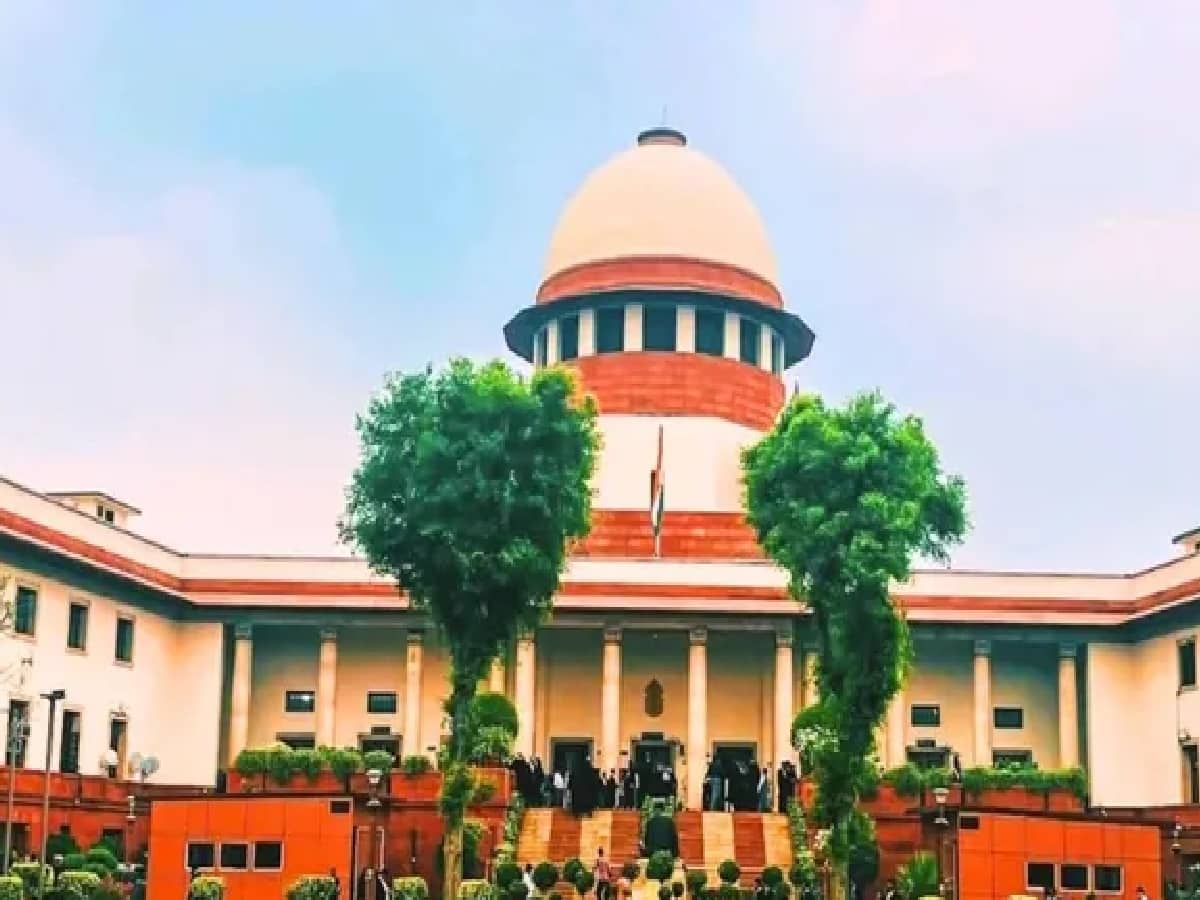
In a critical intervention concerning judicial ethics and courtroom integrity, the Supreme Court has issued a formal notice to the Allahabad High Court administration regarding an Uttar Pradesh Additional District Judge (ADJ) who continues to preside over trials under the Protection of Children from Sexual Offences (POCSO) Act despite facing a formal rape chargesheet. A three-judge bench comprising Chief Justice Surya Kant, Justice Joymalya Bagchi, and Justice V. Mohana agreed to examine the plea after the Allahabad High Court previously dismissed a petition demanding that the officer be divested of all judicial work pending criminal adjudication. Seeking an official response from the High Court’s administrative registry by December 11, the apex court has brought institutional oversight into sharp focus over whether judicial officers facing grave criminal allegations should remain assigned to sensitive specialized rosters.
From Matrimonial Deception to Chargesheet: The Delhi Police Investigation
The underlying criminal case originates from an FIR registered on December 8, 2022, at the Mayur Vihar police station in East Delhi. The complainant alleged that she established contact with the judicial officer through an online matrimonial portal, following which he repeatedly subjected her to non-consensual physical relations under the false pretext of marriage. Acting on the complaint, the Delhi Police initiated a detailed probe and formally submitted a chargesheet against the judicial officer. Although the Delhi High Court had previously granted the accused judge interim protection from arrest, it explicitly permitted investigators to continue their probe and record statements before a magistrate, prompting Delhi Police to formally seek sanction and administrative clearance from the Allahabad High Court to advance criminal proceedings.
Presiding Over Sensitive POCSO Courts: The Question of Judicial Integrity
Appearing on behalf of the petitioner before the apex court bench, Advocate Rakesh Kumar Singh contended that permitting a judicial officer facing severe sexual assault charges to adjudicate child sexual abuse and POCSO cases severely erodes public faith in the administration of justice. The petitioner argued that even if the officer enjoyed protection against immediate arrest, elementary judicial propriety dictated that he be relieved of his judicial duties until he is cleared of the allegations. Records reveal that after Delhi Police issued repeated reminders regarding the pending investigation, the Chief Justice of the Allahabad High Court authorized a formal inquiry in October 2024 following an internal vigilance review, directing the officer to cooperate. However, with the high court subsequently declining to withdraw his judicial roster, the matter has now escalated to the nation's highest constitutional court to decide the ethical boundaries of administrative inaction against subordinate judicial officers.




