Rs 300 Bribe Case: MP High Court Clears Patwari After 30-Year Legal Battle
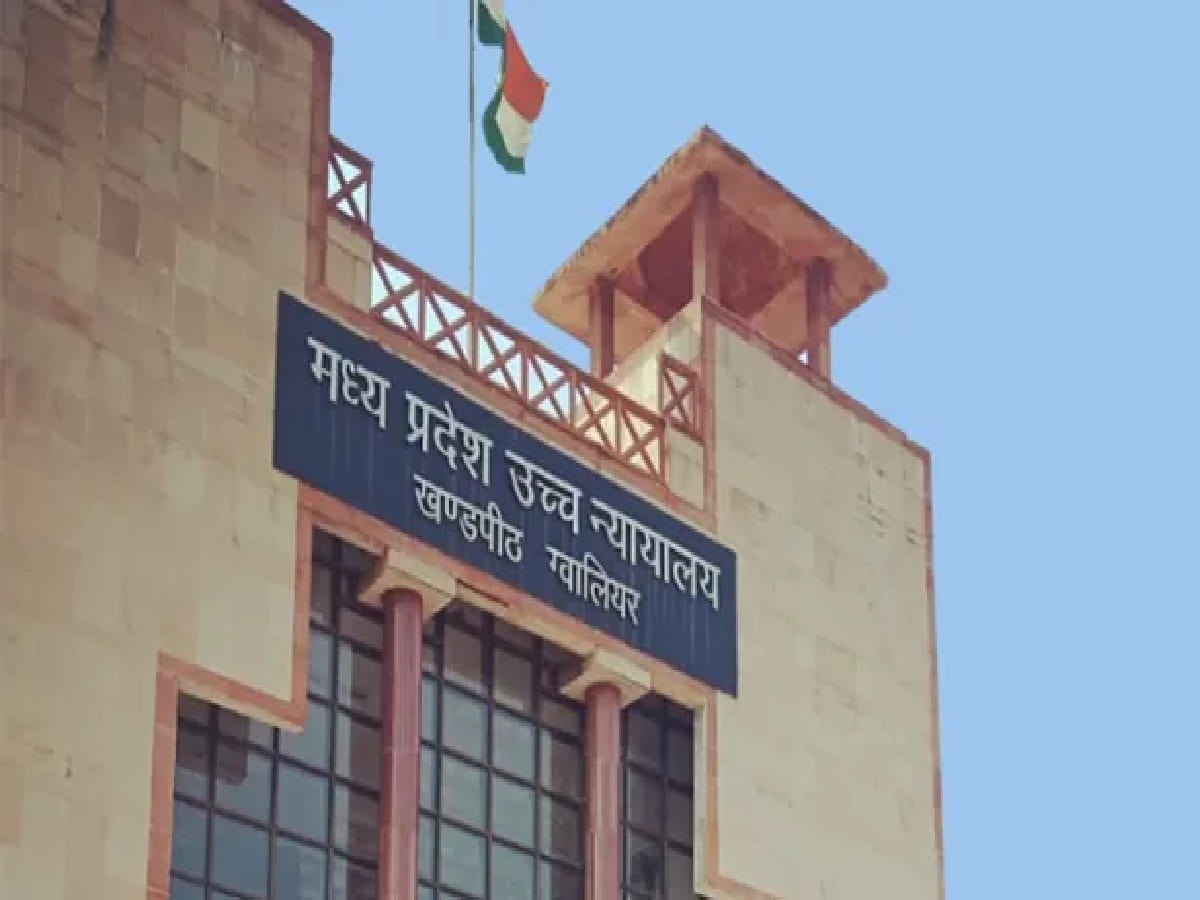
In a significant ruling addressing prolonged public servant prosecution, the Madhya Pradesh High Court has brought closure to a legal ordeal spanning nearly thirty years. Patwari Munna Lal, who was booked in 1996 for allegedly taking a petty bribe of Rs 300 in the Sagar district of Madhya Pradesh, has secured a definitive judicial reprieve. Presiding over the state government's decades-old petition, a single-judge bench of Justice Sanjay S. Kalgaonkar formally dismissed the appeal, affirming the trial court's original judgment that absolved the revenue official of all criminal corruption charges.
Origins of the 1996 Sagar Lokayukta Trap
The roots of the legal conflict date back to October 17, 1996, when Lokayukta special police personnel laid a trap in Khurai, Sagar district. The prosecution asserted that Munna Lal, then serving as a local patwari, had solicited an illicit payment of Rs 300 from a resident named Veer Singh in exchange for issuing duplicate land rights and a loan book (Rin Pustika). Following an undercover operation, enforcement authorities intercepted the village accountant and claimed to have caught him red-handed with the marked cash notes.
Trial Court Ruling and Government's Persistent Challenge
The prosecution case faced its first major setback early on, when the District Sessions Court scrutinized the factual merits and acquitted Munna Lal in December 1997. Dissatisfied with the trial court's dismissal, the state government filed a formal challenge before the Jabalpur High Court in 1998 to overturn the exoneration. The appellate litigation remained pending on judicial dockets across subsequent decades, casting an enduring administrative and personal shadow over the former revenue employee.
Critical Evidentiary Gaps and Voice Verification Failures
During the appellate proceedings, the High Court identified decisive evidentiary flaws that fundamentally dismantled the state's narrative. Justice Kalgaonkar observed that the prosecution failed to establish the foundational prerequisites of audio evidence, noting that the primary audio recording was never verified during trial court examinations, nor was the accused official's voice conclusively identified by independent forensic analysis. This procedural failure left the alleged verbal demand for corrupt funds completely uncorroborated on the legal record.
Official Revenue Dues Offer Plausible Alternative Explanation
The judicial bench further examined the authentic revenue documents submitted during the initial trial. Land records demonstrated that complainant Veer Singh carried an unpaid public obligation amounting to Rs 325 plus interest due to the state exchequer. The court deduced that the currency notes recovered during the 1996 trap could plausibly represent the lawful collection or settlement of outstanding government dues rather than a corrupt payoff.
Mere Recovery Insufficient to Establish Corruption Offence
Reinforcing established anti-corruption jurisprudence, the High Court emphasized that the prosecution carries an absolute burden to prove both an explicit corrupt demand and voluntary acceptance of illegal gratification beyond reasonable doubt. The bench noted that simple currency recovery, paired with a positive chemical phenolphthalein test, cannot serve as substitute evidence for an illegal bribe demand. Finding the trial court's 1997 acquittal well-reasoned and grounded in sound evidence, the High Court held that no statutory basis existed to interfere, ultimately tossing out the state's appeal.