Rs 15,000-Crore Kishau Dam Deal: Six States Sign Historic Pact to End Decades-Old Dispute and Revive Yamuna
A sixty-year-old inter-state water deadlock has officially come to an end as six northern states gathered in the national capital to sign a historic Memorandum of Understanding (MoU) for the ambitious Rs 15,000-crore Kishau Multipurpose Project. Chaired by Union Home Minister Amit Shah, the landmark pact brings together Himachal Pradesh, Uttarakhand, Uttar Pradesh, Haryana, Delhi, and Rajasthan under a unified framework. This breakthrough follows months of technical negotiations and a preliminary consensus achieved under Union Jal Shakti Minister CR Patil on June 15. Conceived nearly six decades ago and accorded National Project status in 2008, the Kishau dam had long been hindered by disagreements over cost sharing, rehabilitation metrics, and seasonal discharge allocations. With the formal ratification of this agreement, one of Asia's most anticipated water infrastructure initiatives is set to move into active construction.
Asia's Second-Tallest Dam on the Tons River: Engineering Marvel and Green Energy Hub
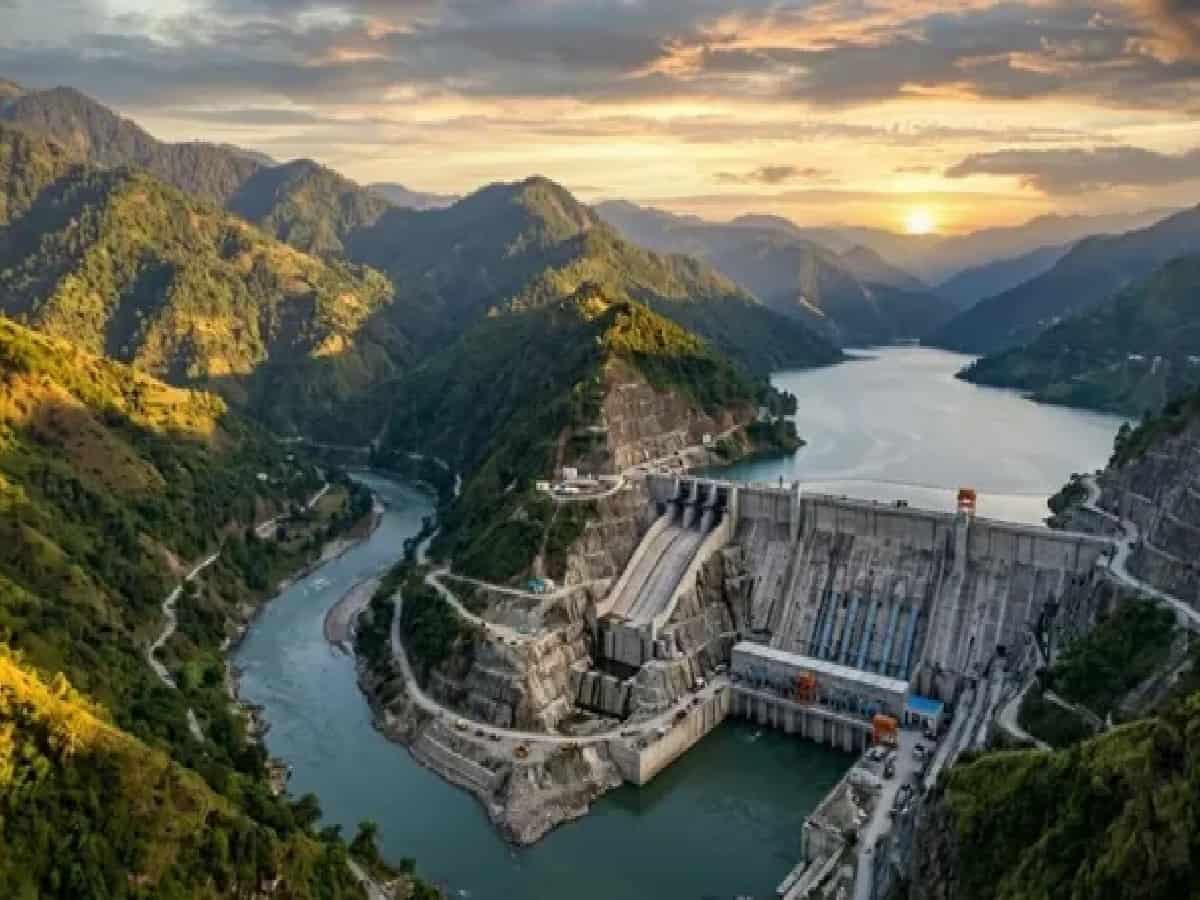
The Kishau Multipurpose Project centers on the construction of a massive 232.6-meter-high concrete gravity dam across the Tons River, a major Himalayan tributary of the Yamuna. Situated directly along the interstate border of Dehradun district in Uttarakhand and Sirmaur district in Himachal Pradesh, the structure is designed to become the second tallest dam in Asia, trailing only the Tehri Dam. Beyond its sheer physical scale, the engineering marvel will serve as a key clean energy facility, featuring a planned green power generation capacity of 660 MW (with a base installed capacity profile generating over 1,379 to 1,457 million units of hydro electricity annually). This clean power output will be shared equally between the two host hill states, Uttarakhand and Himachal Pradesh, giving both regions a substantial boost in renewable grid capacity.
Detailed Water Allocations: Haryana, UP, Rajasthan, and Delhi Gain Assured Supply
The newly ratified pact details a water-sharing formula that guarantees seasonal and perennial supplies to water-stressed downstream regions in North India. Under the agreed terms, Haryana receives the largest allocation of live discharge at 836 cusecs to feed its extensive canal and agrarian network. Uttar Pradesh is allocated 543.2 cusecs to meet critical irrigation demands across western districts. Downstream drinking water needs are addressed through dedicated allocations of 163.52 cusecs for Rajasthan and 105.28 cusecs for the National Capital Territory of Delhi. In an innovative financial compromise, Himachal Pradesh’s unutilized water share will flow directly to Delhi and Rajasthan, and in return, both consumer states will help fund the power generation component of the project on behalf of Himachal Pradesh. Furthermore, Uttarakhand and Himachal Pradesh are relieved of capital burdens for the water component, with the central government financing up to 90 percent of that expenditure under National Project funding norms.
Expanded Live Storage Capacity and Year-Round Ecological Lifeline for River Yamuna
A major benefit of the revised Detailed Project Report (DPR) is an expanded storage profile. While the structural height was refined to 232.6 meters, the reservoir's live storage capacity was upgraded from an earlier 1,324 million cubic meters (MCM) to 1,561.91 MCM. This net increase of 237.81 MCM equips the dam to capture roughly 237.81 billion liters of excess rainwater during heavy monsoon spells. In addition to irrigating approximately 97,076 hectares of agricultural land, this storage will play a crucial role in mitigating destructive downstream floods in Haryana, Uttar Pradesh, and Delhi. During the dry summer months, regulated releases into the Tons and Yamuna rivers will guarantee steady environmental base flows, revitalizing the ecological health of the Yamuna and boosting ongoing river rejuvenation and water security initiatives across the National Capital Region.