PM Modi Sets Up Special Ministerial Groups for High-Stakes Governance Chintan Shivir
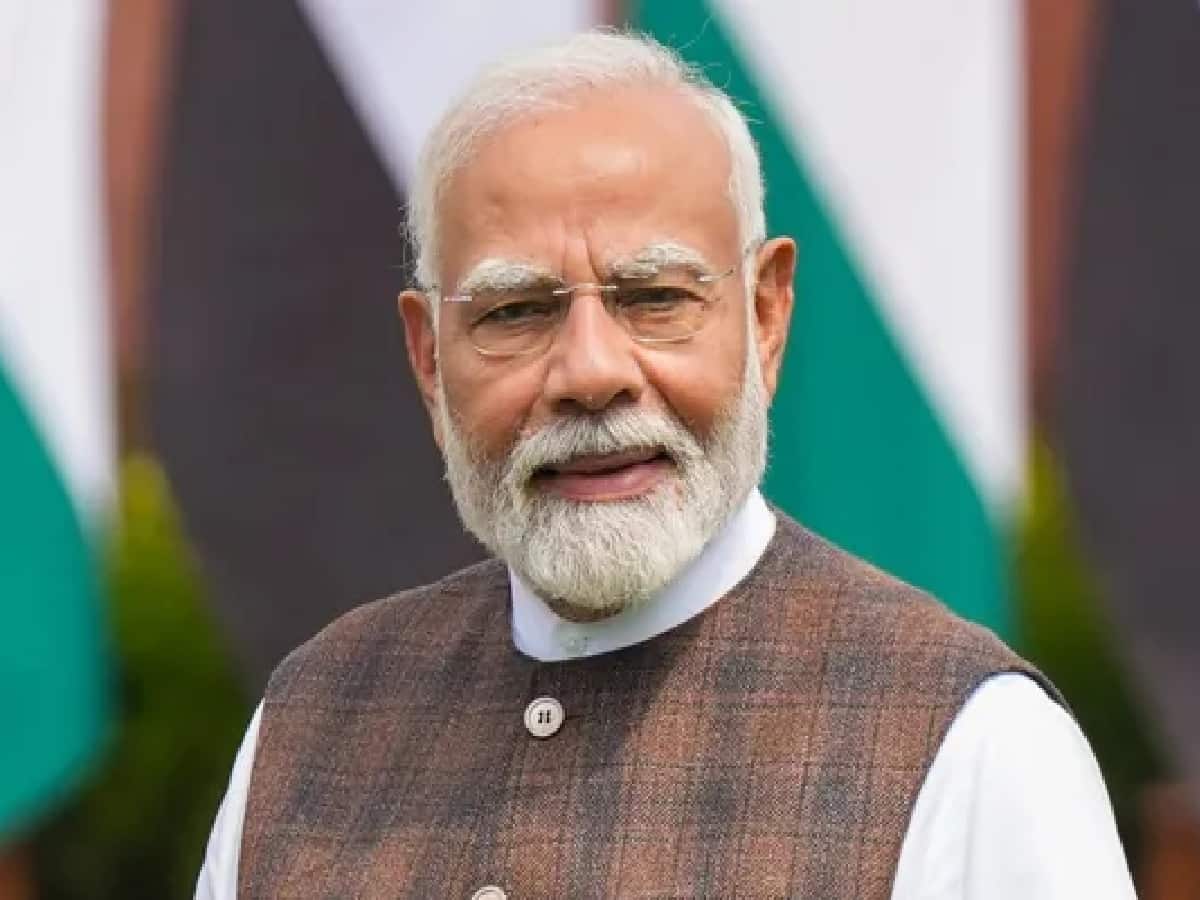
Prime Minister Narendra Modi has directed the formation of specialized Groups of Ministers (GoMs) to conduct an exhaustive evaluation of his administration's third-term performance and chart an aggressive roadmap for upcoming governance priorities. Convening ahead of a comprehensive two-day "Chintan Shivir" scheduled for next week at 'Seva Teerth', this high-level political retreat aims to dismantle bureaucratic inertia, overhaul ministerial working methods, and reinforce ground-level delivery mechanisms. The structured brainstorming exercise mirrors institutional reviews held during key junctures of previous tenures, establishing concrete benchmarks across ministries as the NDA government reviews its mid-term deliverables.
Dedicated Ministerial Units to Tackle Three Core Governance Pillars
Under the direct guidelines outlined by the Prime Minister, more than six distinct Groups of Ministers are being constituted, with each cluster comprising eight Union Ministers across Cabinet and junior ranks. These specialized task forces are assigned to conduct deep dives into three foundational operational verticals. First, the groups will assess self-improvement and internal administrative restructuring within ministries, focusing on personal work discipline, digital file processing, and ethical departmental workflows. Second, the teams will focus on citizen communication frameworks, formulating public-facing outreach strategies to dismantle information silos between welfare beneficiaries and the executive. Third, the GoMs are tasked with tightening operational execution, ensuring national welfare programs and capital expenditure projects meet deadline targets without cost overruns or administrative delays.
The Precedent: Replicating the 2021 Cabinet Brainstorming Blueprint
The upcoming two-day reflection camp at 'Seva Teerth' adopts the structural framework first deployed during the extensive October 21, 2021 conclave following a major cabinet reorganization in the second term. That session broke away from rigid protocol by replacing general statements with granular, topic-based PowerPoint presentations delivered by collaborative ministerial clusters. Next week's Chintan Shivir is structured similarly: each of the newly created ministerial groups will defend actionable strategy papers before the full council of ministers and Prime Minister Modi. The primary objective centers on eradicating inter-ministerial friction, synchronizing overlapping portfolios, and institutionalizing long-term policy targets across infrastructure, social welfare, and digital public goods.
Accountability Tightened: Real-Time Dashboards and Internal Reviews Mandated
Underscoring that the retreat extends beyond theoretical discussion, the Prime Minister's Office has demanded comprehensive compliance audits from every central ministry regarding actions taken on recommendations from the 2021 sessions. Senior officials revealed that strict administrative protocols have accompanied these review orders. Every department has been instructed to launch and maintain an active, internal "live dashboard" tracking policy milestones and project execution in real time. Ministries have also been directed to run regular internal feedback sessions with staff to source administrative reforms from within. These directives signal that central leadership will maintain continuous oversight of department performance, utilizing verifiable digital metrics to hold ministers and secretaries accountable.