PM Modi Pens Moving Tribute to VHP Stalwart Ashok Singhal on Birth Centenary
Marking the birth centenary of veteran Vishwa Hindu Parishad (VHP) stalwart Ashok Singhal, Prime Minister Narendra Modi penned an extensive, heartfelt tribute honoring the leader's monumental role in shaping the Ram Janmabhoomi movement and championing nationwide cultural resurgence. In an emotional essay, the Prime Minister reflected on the realization of the grand Ram Temple in Ayodhya, attributing its physical manifestation directly to Singhal's lifelong resolve, perseverance, and selfless commitment. Born on September 27, 1926, into a distinguished family of high-ranking administrators and civil servants, Singhal chose to forego worldly privilege and bureaucratic trajectories to dedicate himself entirely to the Rashtriya Swayamsevak Sangh (RSS) and national awakening, leaving an indelible imprint on modern India's socio-cultural consciousness.
The 1981 Personal Letter, 1991 Boat Club Rally, and Frontline Sacrifices
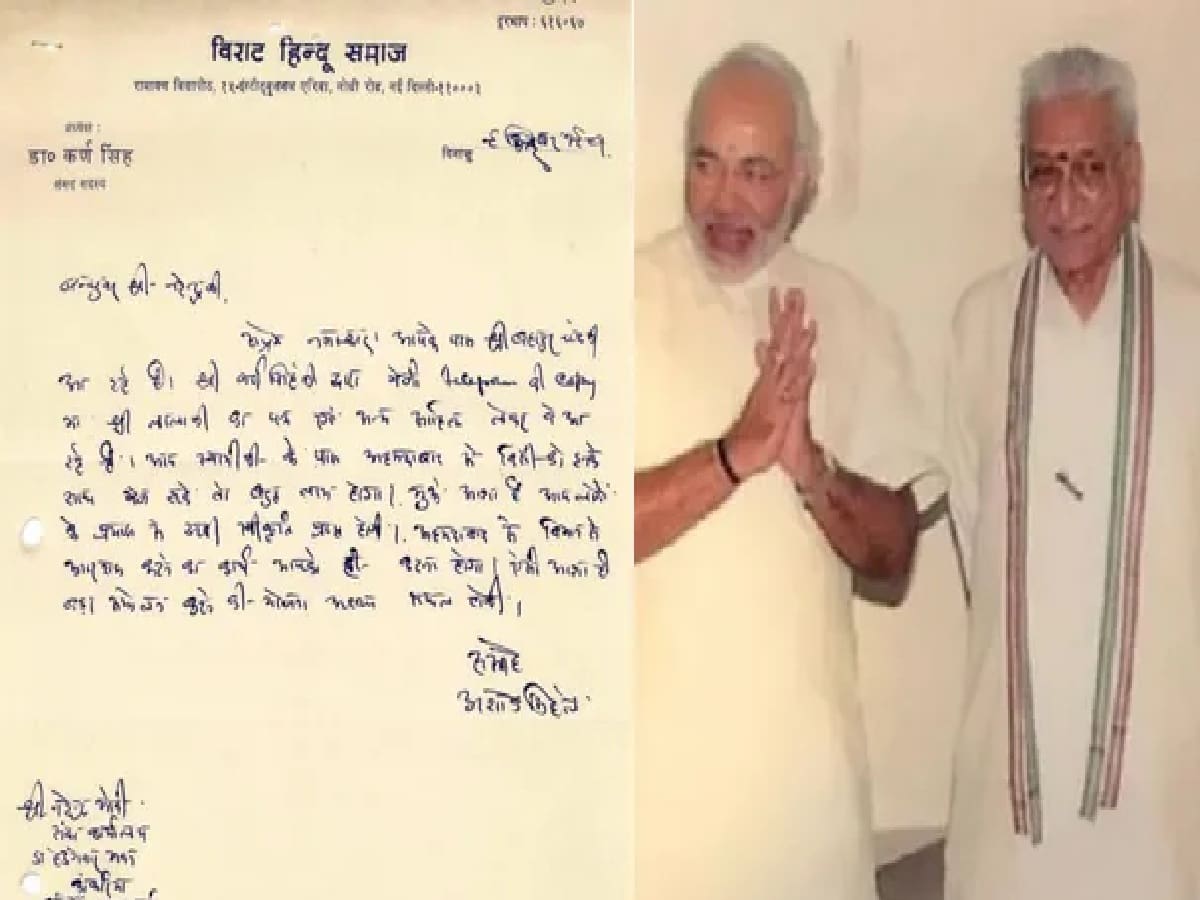
Recalling decades of close personal camaraderie and mentorship, PM Modi highlighted foundational moments that defined Singhal’s fiery leadership and organizational brilliance. The Prime Minister fondly recounted receiving an early handwritten letter from Singhal in 1981, assigning him crucial organizational responsibilities as an upcoming pracharak and grassroots worker. He evoked vivid memories from the peak of the Ram Mandir agitation, particularly Singhal's historic address at New Delhi's Boat Club rally in 1991 and the enduring photograph of the VHP patron standing wounded and bleeding from police crackdowns while refusing to abandon the frontline. Modi noted that witnessing the consecrated Ram Temple in Ayodhya today would have brought Singhal the greatest fulfillment, representing the culmination of an arduous spiritual and political struggle.
Championing Social Harmony: Dalit Shilanyas, Dom Raja, and Ekal Vidyalayas
The Prime Minister emphasized that Ashok Singhal's vision extended far beyond religious revivals, positioning him as an ardent champion of social equality and unity against caste-based discrimination. Singhal made the historic decision ensuring that the foundational first brick (shilanyas) of the Ram Janmabhoomi temple in 1989 was laid by Kameshwar Chaupal, a grassroots Dalit worker from Bihar. Modi also recalled Singhal’s historic initiative at a Dharma Sansad in Kashi, where he honored the Dom Raja and engaged him in collaborative community initiatives to uphold universal human dignity. Highlighting Singhal’s academic roots at Banaras Hindu University (BHU), his musical prowess singing 'Ekal Geets' by the Sangam in Prayagraj, and his founding work behind the 'Ekal Vidyalaya' network across remote tribal belts—including hands-on relief work during the 2001 Kutch earthquake—Modi urged the younger generation to embrace Singhal's ideals of inclusivity, Vedic education, and selfless service.