







'Pakistani Smoke' Chokes Delhi-NCR as Satellite Data Reveals 4x
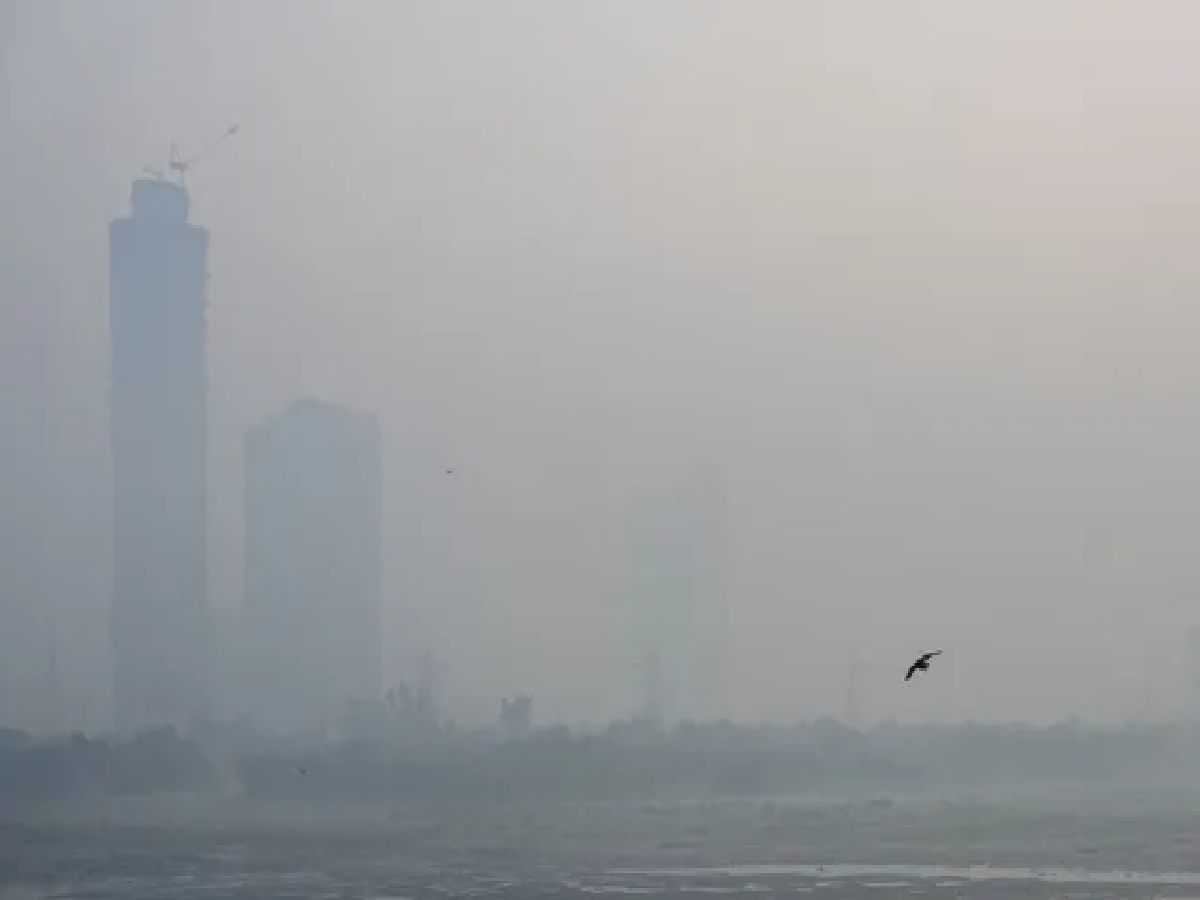
A dense blanket of toxic smog has settled over the National Capital Region nearly a week ahead of Diwali, rapidly dismantling the cleanest atmospheric window Delhi had enjoyed in nearly a decade. Official monitoring networks under the Central Pollution Control Board (CPCB) recorded the city’s average Air Quality Index (AQI) deteriorating sharply to around 330 on Tuesday, November 3, 2026, plunging into the "Very Poor" bracket with at least three ambient monitoring stations breaching the "Severe" 400-mark. The sudden environmental relapse prompted the Commission for Air Quality Management (CAQM) to enforce Stage II of the Graded Response Action Plan (GRAP-II) across Delhi, Noida, Gurugram, Ghaziabad, and Faridabad. Under these emergency guidelines, municipal corporations have mandated mechanical road sweeping, intensive water sprinkling, deploying mobile anti-smog guns, and tightening inspections at construction corridors to arrest inhalable particulate matter.
Transboundary Farm Fires: NASA Satellite Data Exposes 4-Fold Surge Across the Border
While seasonal agricultural fires in Indian Punjab and Haryana contribute to seasonal haze, recent orbital observations indicate that a massive volume of transboundary agricultural smoke originating in Pakistan’s Punjab province is playing an outsized role in the crisis. Satellite analysis based on NASA’s Fire Information for Resource Management System (FIRMS), published by Pakistani news daily Dawn, confirmed that between October 1 and October 29, Pakistan's Punjab recorded a staggering 13,241 farm fire incidents—approximately 4.2 times higher than the 3,158 fire alerts logged in Indian Punjab during the identical timeframe. The uncontrolled burning turned Lahore into one of the world's most polluted urban centers, with its local AQI skyrocketing past the hazardous 500-level. Over the past 48 hours, prevailing northwesterly winds have acted as a direct atmospheric conveyor belt, transporting vast volumes of smoke across the border plains and funneling fine carbon particulates straight into the landlocked bowl of Delhi-NCR.
From Cleanest October to Pre-Diwali Crisis: Cyclone Arnab, Compressed Harvesting, and Stagnant Winds
The dramatic collapse in air quality stands in stark contrast to the preceding month, when unseasonal rainfall triggered by Cyclone Arnab on October 30 washed out atmospheric pollutants, briefly pulling Delhi's AQI down to a pristine 60 and giving the capital its cleanest overall October in eight years with an average index of 167. However, the same cyclonic downpours severely delayed the regional paddy harvesting schedule. With the monsoon systems entirely retreating, agriculturalists across both sides of the border are aggressively burning residual crop stubble to clear fields for wheat sowing. Weather meteorologists warn that persistent northwesterly wind currents, combined with dipping nighttime temperatures and sluggish wind velocities, will create an inversion layer that prevents pollutants from dispersing vertically. With the unharvested acreage being cleared rapidly and festive firecracker smoke looming, atmospheric scientists caution that Delhi-NCR could slip further toward severe air contamination over the coming days.




