







Over 200 Indian Scientists Sound Alarm on Imminent Ecosystem Collapse
Over 200 leading scientists and ecologists from across India have issued an urgent call to action, warning that the intensifying El Niño phenomenon poses a significant threat to the nation's ecosystems, water resources, and agricultural livelihoods. The joint statement emphasizes that the environmental consequences of this weather pattern are likely to extend well beyond the immediate disruption of the southwest monsoon, affecting soil moisture, crop health, and marine biodiversity in the coming months.
Urgent Appeal to Policymakers
The signatories of the 'Call to Action' include researchers from prestigious institutions such as the Indian Institute of Science (IISc) in Bengaluru, the Wildlife Institute of India (WII), the National Centre for Biological Sciences (NCBS), and the Nature Conservation Foundation (NCF). They have jointly appealed to policymakers, fellow researchers, and field practitioners to prepare for potentially destructive ecological shifts. The group highlights that the current situation presents a short but critical window for effective intervention and documentation of environmental changes.
Roxy Mathew Koll, a climate scientist at the Indian Institute of Tropical Meteorology (IITM) in Pune, noted that the effects of El Niño can creep into subsequent seasons. He warned that these effects could disrupt soil moisture levels, stress water storage systems, and put pressure on crops. Additionally, he pointed out the risk of triggering marine heatwaves and coral bleaching, alongside other less visible but equally concerning ecological changes. Koll stressed the importance of safeguarding remaining ecosystems and using the lessons learned from this event to prepare for a warmer and more volatile future.
Monsoon Deficits and Historical Context
El Niño is a periodic global weather phenomenon driven by changes in ocean circulation and warming in the equatorial Pacific Ocean, occurring every two to seven years. In India, it is known for dampening the southwest monsoon and leading to extreme hot and dry conditions. The current event formed in late June and July of this year and has already reached strong intensity. Forecasts suggest it may intensify further during the upcoming winter season.
According to the US-based National Oceanic and Atmospheric Administration (NOAA), there is a 75 percent chance of a historic event that would exceed the strength of any previous El Niño recorded since 1950. As of the most recent data, 18 out of 36 meteorological subdivisions in India are experiencing deficient rainfall. This is particularly concerning as the four-month southwest monsoon season, which is crucial for India's agrarian economy, is set to end with below-normal rainfall this September.
Marine Ecosystems Under Threat
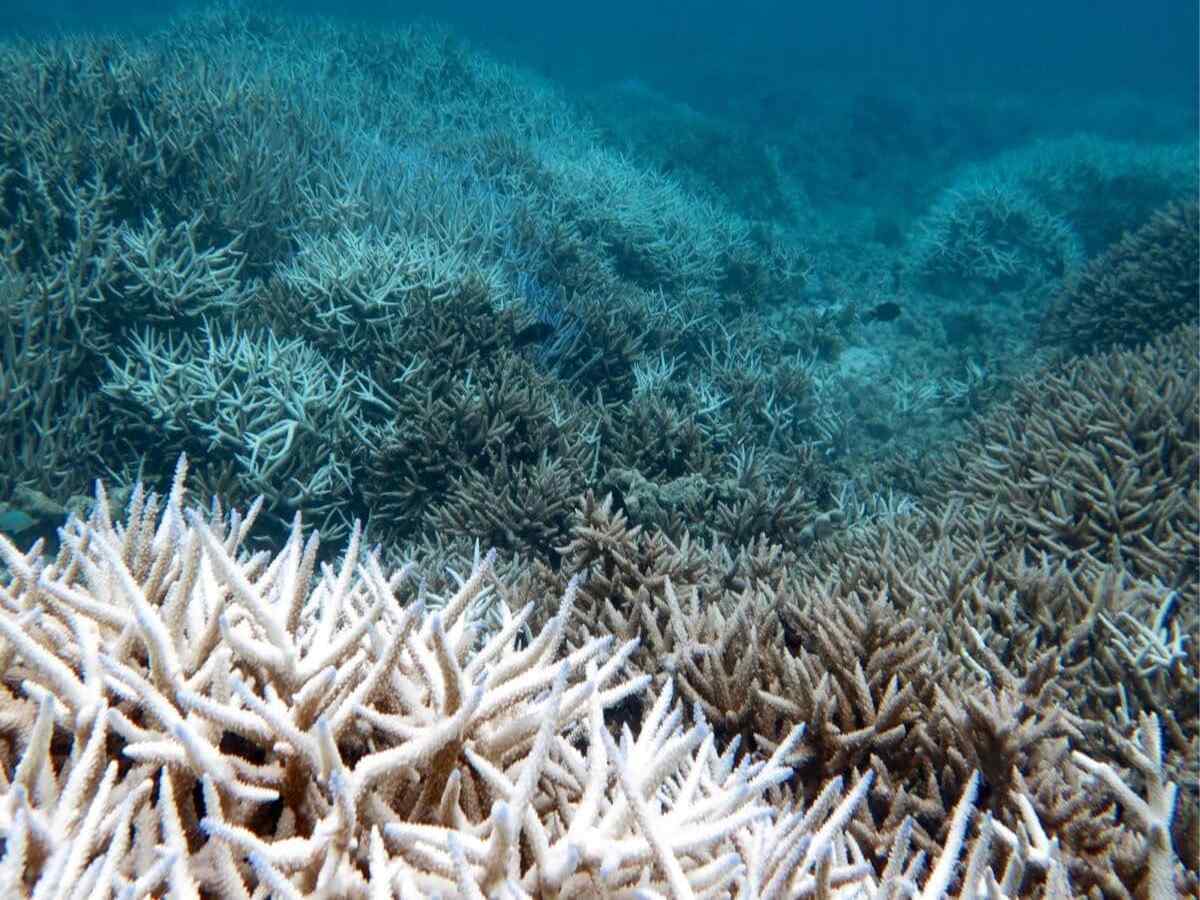
Scientists have also drawn attention to the subtle yet devastating impacts on marine ecology. Rohan Arthur, a marine biologist with the Nature Conservation Foundation, highlighted the vulnerability of India's coral reefs. He noted that while coral reefs can be remarkably resilient, they require at least a decade to show significant recovery after a major die-back. Given that the last major El Niño event occurred in 2024, the projected scale and intensity of the current heat wave are alarming. Arthur warned that past El Niño events have also caused mass mortalities in various fish species, including moray eels.
In the Pacific Ocean, where El Niño originates, sea surface temperatures have steadily risen above the 0.5-degree Celsius threshold, reaching +2.6 degrees Celsius in August 2026. Projections indicate possible temperature anomalies of up to +4 degrees Celsius, a level higher than any time in the past 1,000 years, based on reconstructions from coral cores. These extreme temperatures are a primary driver of the marine heatwaves and coral bleaching events anticipated in Indian waters.
Impact on Terrestrial Forests
The coming year is expected to serve as a litmus test for India's tropical forests and tree species, many of which are already operating near their heat tolerance limits. Jayashree Ratnam from the National Centre for Biological Science in Bengaluru emphasized the need to understand how the El Niño will impact plant life. She noted that large trees are especially susceptible to extended droughts, and changes in fruit production and animal behavior may occur, though these impacts are often less visible than immediate weather changes.
The collective note from the scientists urges the research community to conduct long-term studies, collaborate across disciplines, and meticulously measure the impacts on various ecosystems. They concluded that the time available for an adequate response is short, and immediate action is required to mitigate the cascading effects of this intensifying weather phenomenon on India's environment and economy.