







Nitin Gadkari Reveals ₹25–30 Petrol-Equivalent Running Cost
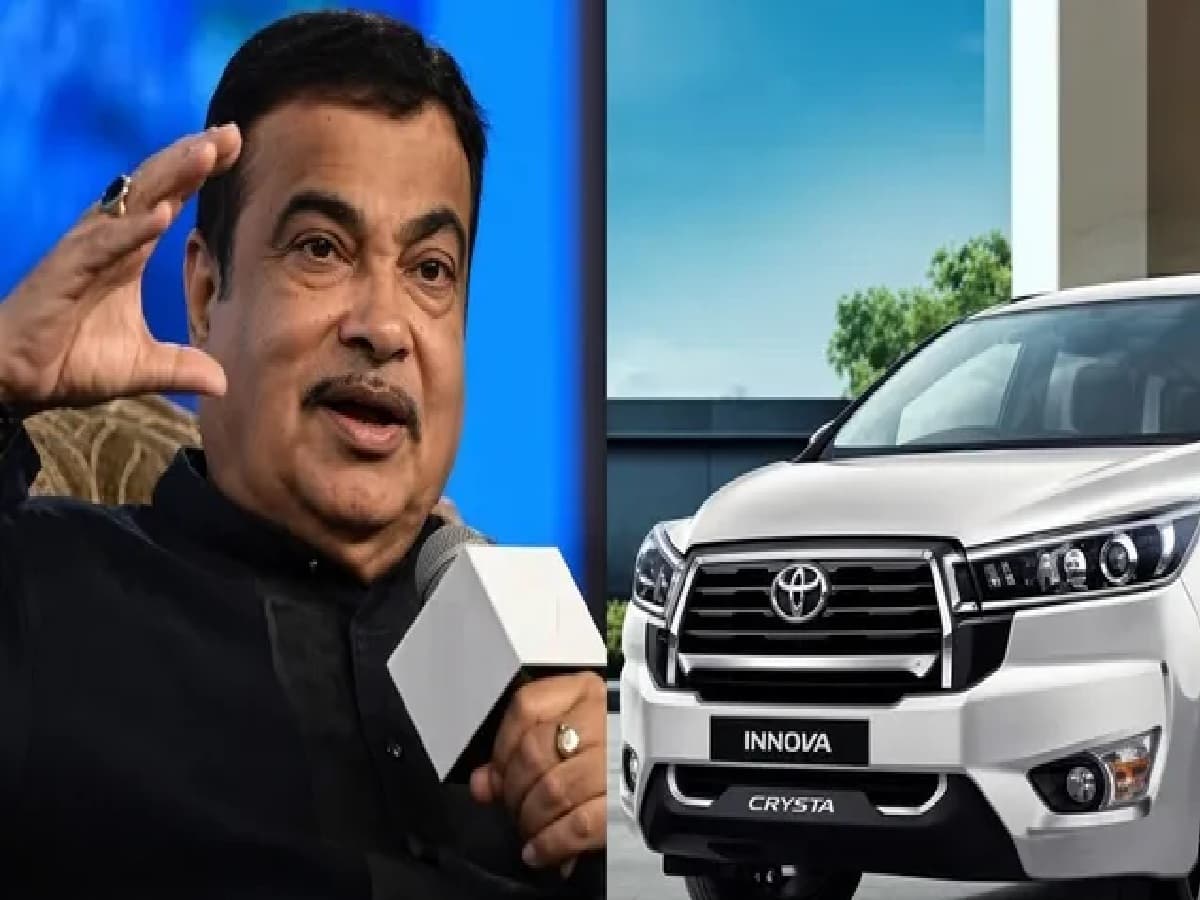
In a landmark announcement for India’s clean mobility landscape, Union Minister for Road Transport and Highways Nitin Gadkari revealed that automotive manufacturer Toyota will officially launch its 100 percent bioethanol-powered Innova on November 26, 2026. Speaking before industry stakeholders and policymakers at the 'Powering the Next Mile' conference in New Delhi, the Union Minister emphasized that the upcoming variant represents a decisive shift away from conventional fossil fuels by operating entirely on homegrown bioethanol rather than traditional petrol. Gadkari detailed that with bioethanol retailing at roughly ₹75 per litre compared to commercial petrol prices hovering near ₹120 per litre, the vehicle’s advanced powertrain—which generates approximately 60 percent of its operating energy from on-board electric regeneration—delivers a game-changing operating expense, bringing the effective running cost down to an economical equivalent of just ₹25 to ₹30 per litre of petrol.
Economic Disruption: How 100% Bioethanol and Hybrid Tech Slash Running Costs
Highlighting the macro-economic and consumer benefits of diversified energy ecosystems, Gadkari asserted that accelerating the adoption of electric vehicles and alternative biofuels will simultaneously empower motorists with lower maintenance costs and insulate the national exchequer from volatile crude oil import dependencies. By utilizing locally processed plant-based ethanol, the flex-fuel electrified system allows vehicle owners to enjoy significant daily fuel savings while directly supporting rural agricultural economies that produce biofuel feedstocks. The Minister emphasized that pairing bioethanol fuel systems with intelligent hybrid energy generation offers the optimal bridge toward zero-emission transit, drastically reducing domestic expenditures on imported hydrocarbons while ensuring long-distance highway performance without range anxiety.
EV Evolution and Pollution Control: Gadkari Calls for National Self-Reliance
Addressing another civic gathering alongside reports from PTI, Gadkari warned that tackling escalating environmental pollution stands as India's most urgent national challenge for the coming decades, making clean fuel self-reliance an indispensable priority. Reflecting on the evolution of India's two-wheeler electrification, the Minister recalled inaugurating pioneer electric models from homegrown manufacturers TVS and Bajaj, which initially delivered reliable operational ranges of around 125 kilometres per charge. While subsequent market entrants downsized battery pack capacities to make electric scooters accessible within the ₹70,000 to ₹72,000 price bracket at the expense of range dropping to 70 kilometres, Gadkari affirmed that technological maturity is now stabilizing across domestic supply chains. Reaffirming the central government's commitment to clean transportation, he reiterated that India is aggressively advancing toward end-to-end domestic manufacturing in both alternative fuels and electric mobility, driven by operating costs that fundamentally outperform legacy fossil-fuel combustion engines.




