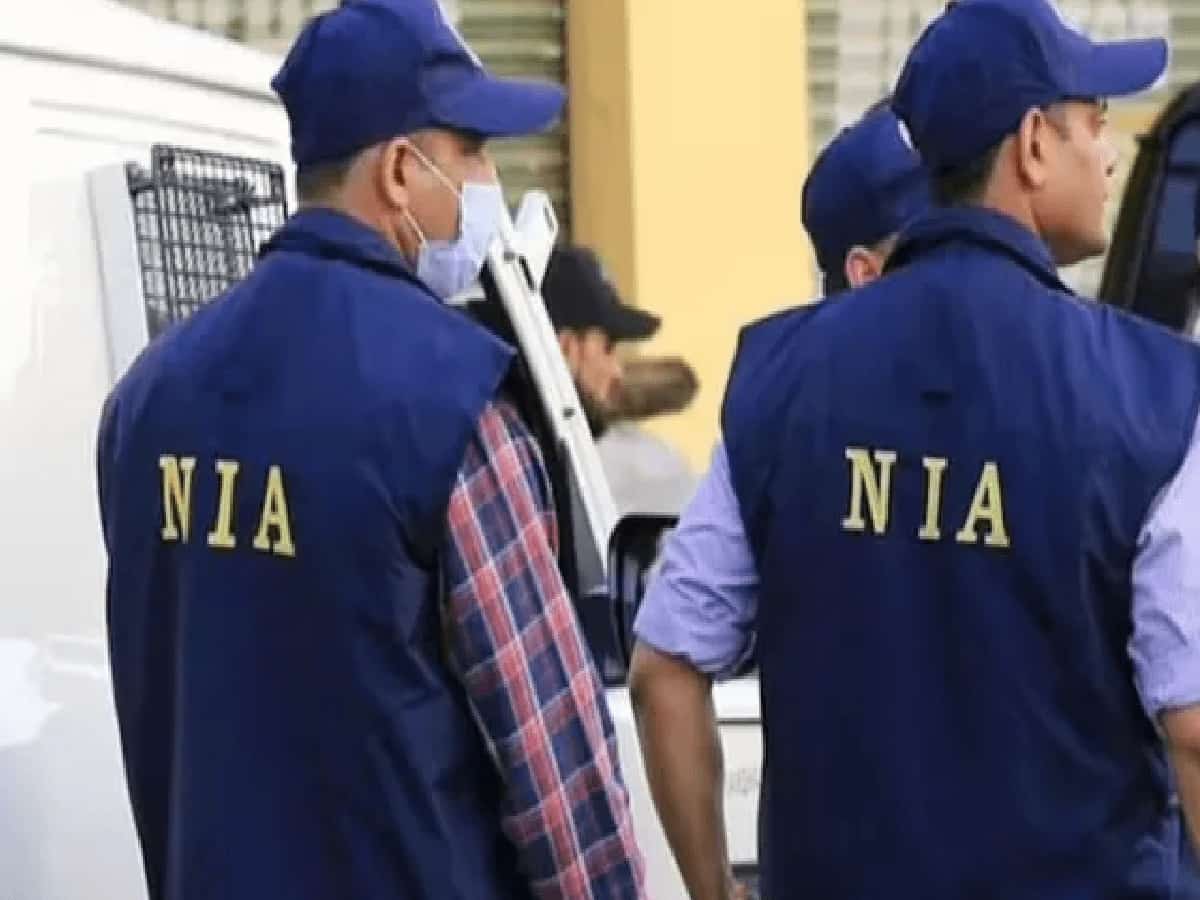
NIA Chargesheets 9 ISIS Operatives over Secret Chat Apps & Youth Indoctrination
In an aggressive enforcement action against terror syndicates exploiting social media algorithms, the National Investigation Agency (NIA) has submitted an extensive chargesheet against nine operative members and sympathizers of the proscribed terrorist outfit ISIS (Islamic State). The central counter-terrorism agency formally submitted the judicial documents before a Special NIA Court in Vijayawada, Andhra Pradesh, following exhaustive multi-state investigations into an interstate network dedicated to indoctrinating vulnerable youth and inciting violent extremism. Federal investigators established that the syndicate operated an organized online ecosystem—primarily using Instagram—to preach radical narratives, recruit operatives, and orchestrate conspiracies designed to compromise India's territorial integrity and national sovereignty.
Bespoke Encrypted Apps and Explosives Manufacturing: Uncovering the Underground Plot
The NIA’s forensic investigation uncovered that the accused were not merely operating public propaganda channels, but had also engineered a proprietary encrypted application to conduct covert communications outside standard surveillance nets. This confidential application served as an operational command channel where the handlers discussed procurement of materials, plotted the manufacturing of improvised explosive devices (IEDs), and organized logistical blueprints for armed weapons combat. Those named in the Vijayawada chargesheet include Mohammad Rahmatullah Sharif, Mohammad Danish, Mirza Sohail Baig, Lucky Ahmed, Zeeshan Abdul Majeed, Mir Asif Ali, Abdul Salam, Sharuk Khan, and Sheikh Faiz ur Rehman.
Stringent Invocation of BNS Penal Provisions and UAPA Anti-Terror Mandates
The nine accused face rigorous prosecution under Sections 61(2) read with 3(5) and 152 of the Bharatiya Nyaya Sanhita (BNS), penalizing criminal conspiracy, acts prejudicial to public welfare, and overt threats endangering the sovereignty, unity, and integrity of India. Concurrently, the agency invoked Sections 13(1), 38, and 39 of the Unlawful Activities (Prevention) Act (UAPA), which specifically penalize unlawful activities, active membership in declared terror outfits, and direct material support to terror organizations. The case originated on March 23, 2026, at the Vijayawada-2 Town Police Station before being handed over to federal counter-terror investigators due to national security ramifications, leading to the interception of 11 adult suspects alongside one minor apprehension to date.