Major Allies TDP, JD(U), and Chirag Paswan Sound Caution Over Amit Shah's 21-State Roadmap
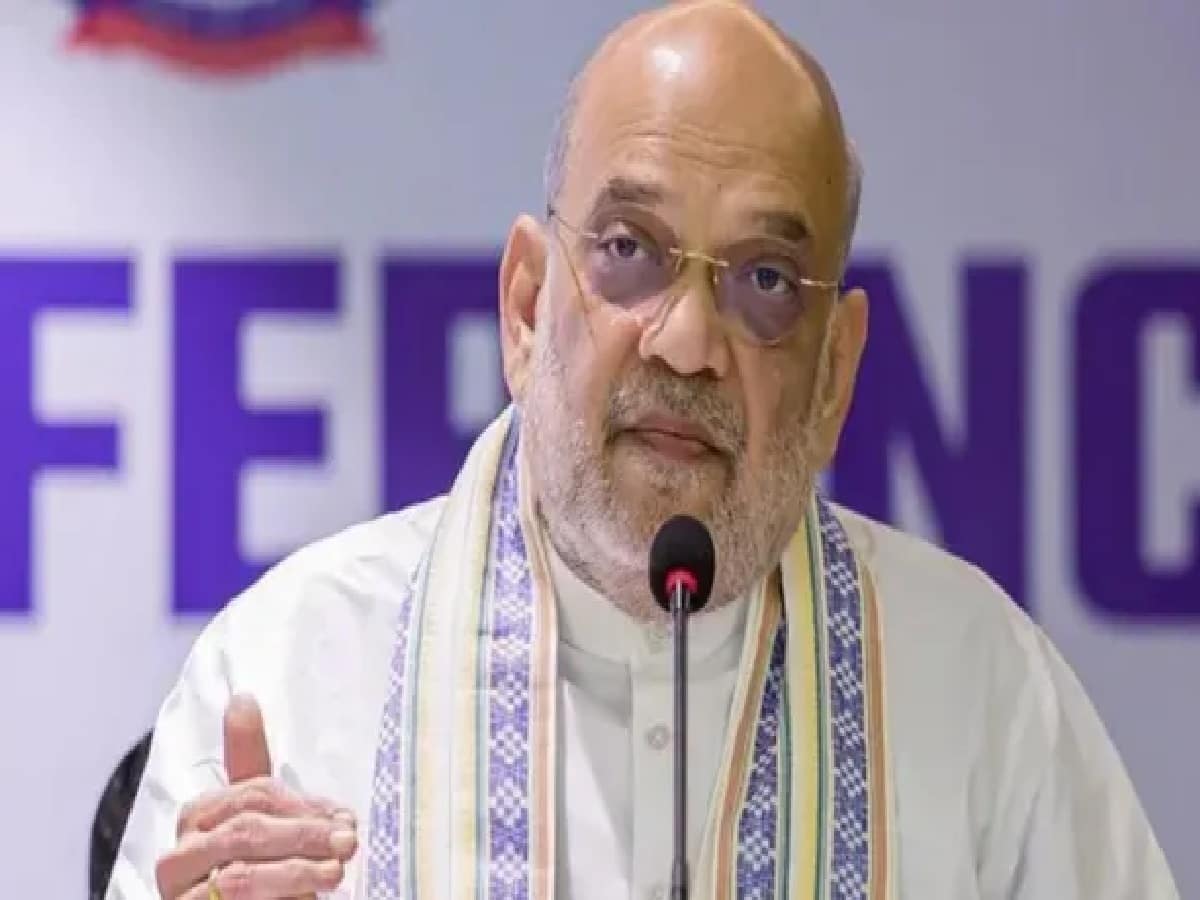
The national political landscape has intensified following Union Home Minister Amit Shah’s decisive assertion during a press conference in Mumbai outlining the ruling coalition's roadmap to enact the Uniform Civil Code (UCC) across 21 NDA-governed states prior to the 2029 Lok Sabha elections. While the core ideological commitment of the Bharatiya Janata Party (BJP) remains steadfastly focused on codifying uniform civil personal laws nationwide, key ruling allies—including the Telugu Desam Party (TDP), Janata Dal (United), and the Lok Janshakti Party (Ram Vilas)—have publicly signaled a measured, cautious posture, emphasizing that universal consensus, institutional consultations, and demographic sensitivities must precede legislative rollouts in their respective regional bastions.
TDP and JD(U) Call for Broad Stakeholder Consultations and Consensus
Responding to the timeline, ruling coalition partners from Andhra Pradesh and Bihar have outlined a conditional, dialogue-centric approach to the proposed personal law reforms. Lavu Sri Krishna Devarayalu, Parliamentary Party Leader of the ruling Telugu Desam Party (TDP) in Andhra Pradesh, clarified that formal discussions regarding the draft framework have not yet taken place within the alliance framework, stressing that future progression demands thorough deliberation with regional stakeholders and diverse cultural segments. Concurrently, Sanjay Jha, Working President of the Janata Dal (United), indicated that party leaders plan to meet with Home Minister Amit Shah to examine the nuances of the policy, aligning with Chief Minister Nitish Kumar’s long-standing position that contentious civil matters require broad-based consensus across religious, linguistic, and regional groups.
Chirag Paswan Emphasizes Constitutional Safeguards for Tribal Communities
Union Minister and Lok Janshakti Party (Ram Vilas) Chief Chirag Paswan added a distinct layer of scrutiny to the discussion, highlighting India's socio-cultural pluralism and express constitutional protections guaranteed to indigenous groups. Emphasizing that India's diverse mosaic demands balanced representation, Paswan stated that any statutory implementation must rigorously protect the legal customs and distinct constitutional privileges reserved for Scheduled Tribes and marginalized communities. Urging the central administration to place the finalized civil draft into the public domain for transparent scrutiny, the LJP leader maintained that his party's definitive stance would be formulated only after reviewing the textual specifics and completing extensive consultations across all political, social, and regional factions.
The BJP's State-by-State Strategy Toward the 2029 Target
The Uniform Civil Code stands alongside the abrogation of Article 370 and the construction of the Ram Janmabhoomi Temple in Ayodhya as a founding ideological pillar of the BJP's national vision. Adapting to prevailing federal dynamics, the central ruling party has pursued a targeted state-level implementation strategy rather than immediate, uniform federal legislation. Uttarakhand has already codified and enacted its state-level UCC framework, while state assemblies in Gujarat, Assam, and Madhya Pradesh have advanced related legislative bills. With preparatory legislative drafting active across Rajasthan, Maharashtra, and Chhattisgarh, Amit Shah's goal of securing implementation across all 21 NDA-governed states before 2029 represents a major federal test that now pivots on reconciling regional alliance priorities with central ideological goals.