







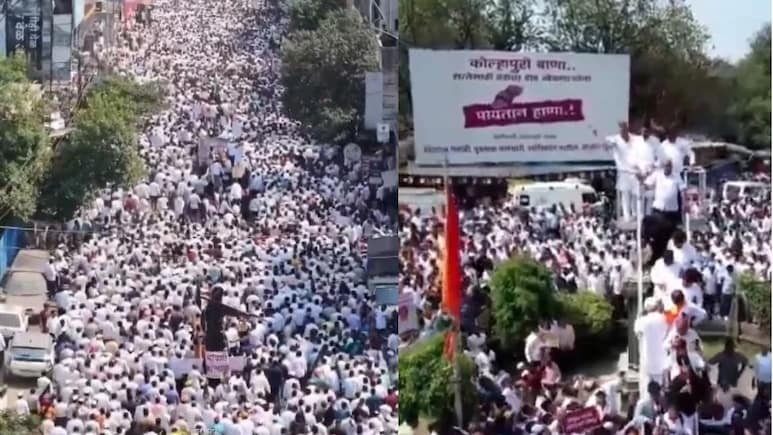
Kolhapur's Gokul Dairy Row: Thousands Protest Against Maharashtra Co-op Move
Maharashtra's political and cooperative landscape has erupted in massive protests, drawing thousands of dairy farmers and citizens to the streets of Kolhapur. The fierce agitation—beginning with a large-scale Sangharsh Morcha from Dasara Chowk to the District Collector's office—was triggered by the state cabinet’s recent decision to amend the Maharashtra Cooperative Societies Act, 1960. This legislative change has sparked a high-stakes political showdown over control of the prestigious Kolhapur District Cooperative Milk Producers’ Union, popularly known as Gokul Dairy, turning a routine corporate governance debate into a major flashpoint for rural democracy.
The Spark: How the Gokul Dairy Election Result Triggered a Crisis
The roots of the current unrest lie in the fiercely contested board elections of Gokul Dairy—one of western Maharashtra’s most powerful financial and economic institutions. Established in 1963, Gokul directly connects nearly 4.41 lakh milk producers across thousands of village-level societies, generating massive rural influence and economic clout. In the recent board polls, the ruling Mahayuti alliance put up a high-profile fight to capture the cooperative. However, an opposition-backed panel led by Congress MLC Satej Patil secured 13 seats, while the ruling alliance managed to win 12. Despite the electoral defeat of the ruling alliance's panel, the political battle shifted dramatically from ballot boxes to legislative corridors.
Legislative Amendment and Post-Election Rule Changes
Following the narrow defeat, the Maharashtra cabinet approved an amendment allowing the appointment of additional directors with voting rights. Critics and opposition leaders argue that this retrospective rule change effectively boosted the ruling coalition's strength on the board from 12 to 16 seats, altering the majority dynamic. Chief Minister Devendra Fadnavis and ruling leaders defended the decision, asserting that administrative adjustments were necessary to resolve quorum issues and ensure balanced representation. Nevertheless, opponents slammed the move as an attempt to bypass the democratic mandate of thousands of marginal dairy farmers who rely on the cooperative for their livelihood.
Accusations of Undermining the People's Mandate
The cabinet decision has drawn sharp nationwide and regional criticism. Senior Congress leaders, including former Chief Minister Prithviraj Chavan and MLC Satej Patil, labeled the maneuver an "attack on democracy," accusing the government of forcibly seizing control of a premier cooperative body after losing the democratic vote. The controversy escalated further when national opposition figures weighed in, alleging that altering governance rules post-election sets a dangerous precedent for institutional autonomy in India's cooperative sector. Protesters in Kolhapur echoed these sentiments, chanting slogans and demanding that the administrative changes be immediately rolled back to respect the choice of milk producers.
The Broader Impact on Maharashtra’s Cooperative Politics
Cooperative societies have historically served as the bedrock of political power in western Maharashtra, deeply influencing rural voter behavior and agrarian economies. The intense tussle over Gokul highlights the high stakes involved in regional institutional control. As legal challenges loom in the Bombay High Court and farmer groups vow to intensify their agitation, the face-off between grassroots cooperative autonomy and state-level administrative authority continues to dominate headlines across the state.




