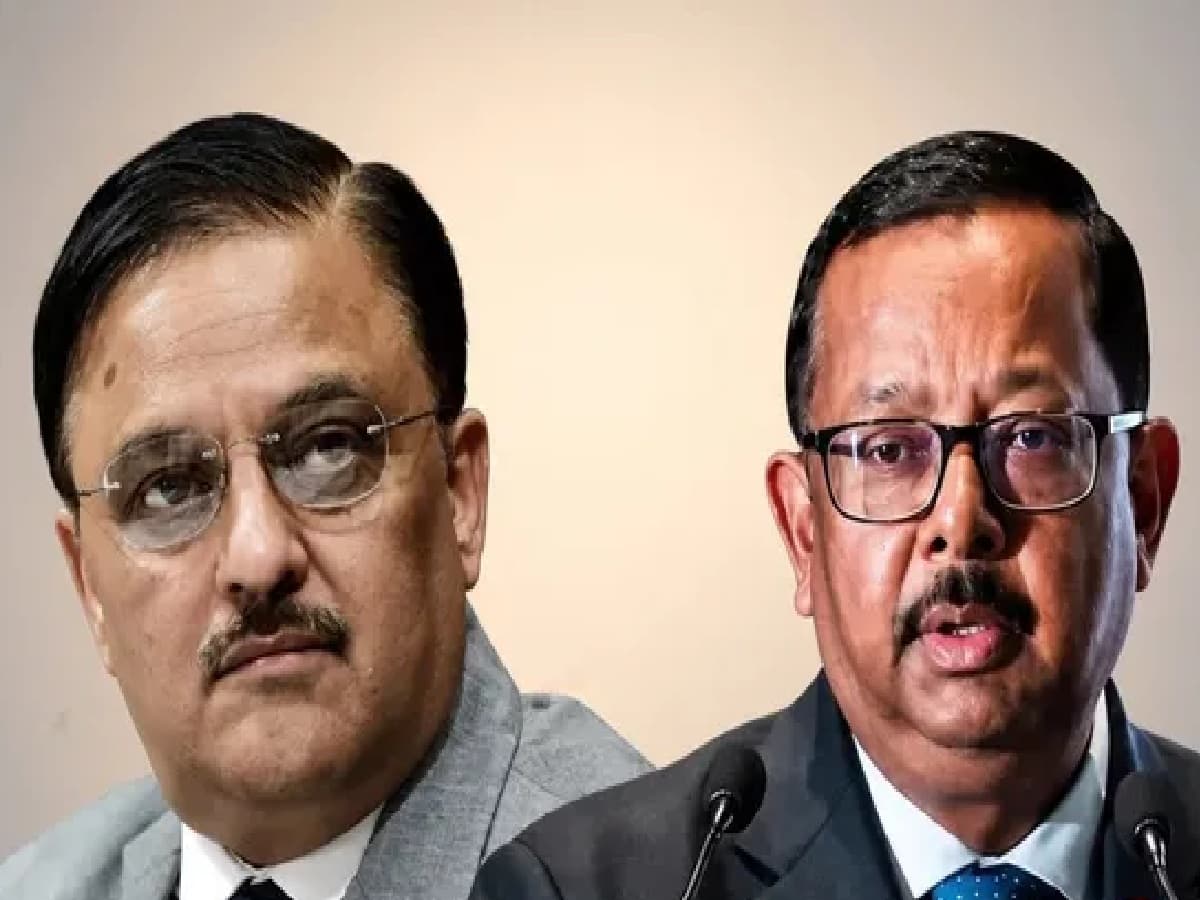
Judiciary Divided Over Voter Roll Revision: Ex-SC Judges Clash
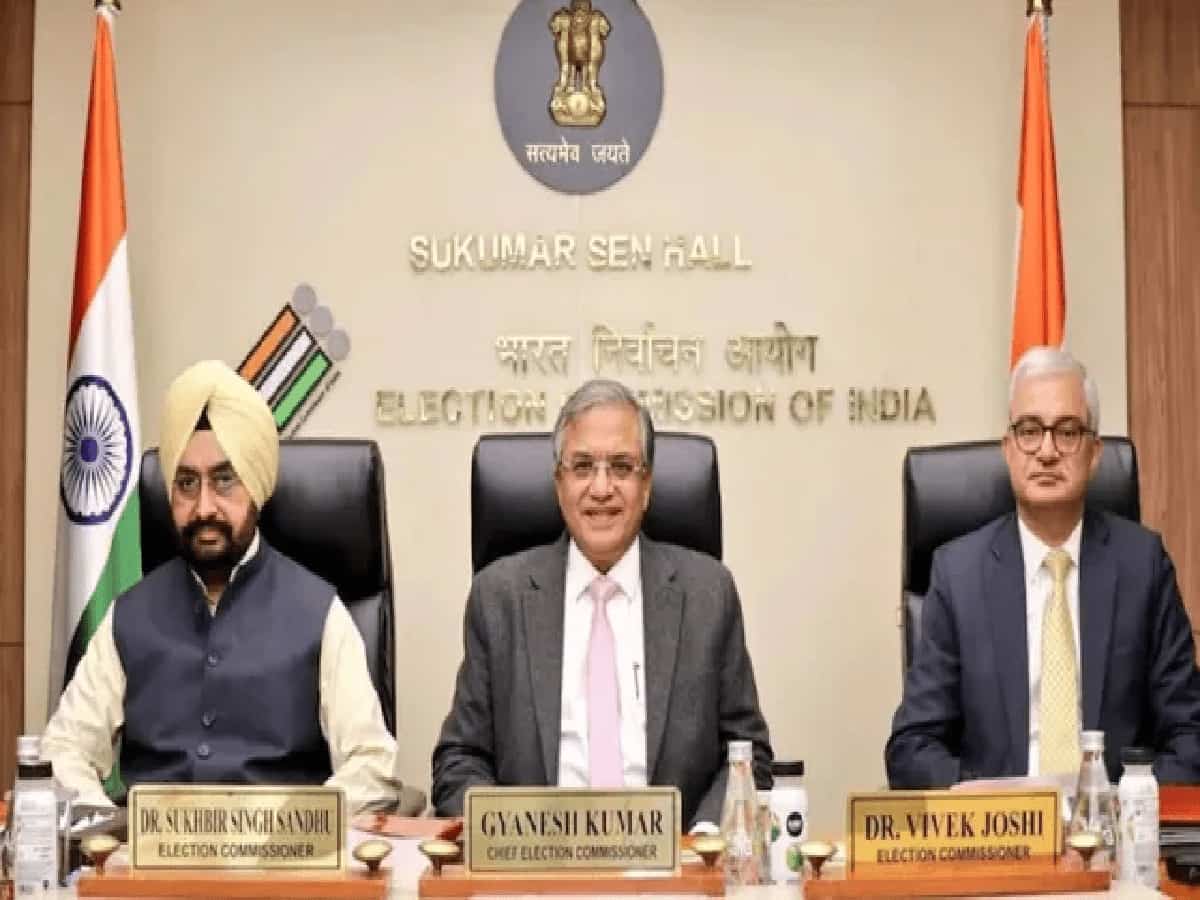
The national debate surrounding the Special Intensive Revision of Electoral Rolls (SIR) has triggered an unprecedented ideological divide within India's higher judiciary. Following sharp remarks from sitting Supreme Court judge Justice Ujjal Bhuyan, who warned against any electoral verification mechanism that risks disenfranchising legitimate citizens, a collective of 42 retired judges issued an open letter formally endorsing the revision exercise led by Chief Election Commissioner Gyanesh Kumar. While former Chief Justice B.R. Gavai registered displeasure regarding sitting judges voicing public criticisms on sensitive electoral processes, retired Supreme Court judge Justice Abhay S. Oka stepped forward in strong defense of Justice Bhuyan, affirming that a sitting judge retains fundamental citizenship rights to engage in academic discourse on constitutional democracy.
'Judges Are Citizens Too': Justice Oka Backs Constitutional Discourse at Academic Forums
Speaking during an in-depth dialogue with Nilendra Kumar, founder-director of the Lex Consilium Foundation and former Judge Advocate General, Justice Abhay S. Oka firmly dismissed allegations of institutional impropriety. Justice Oka asserted that while sitting judges must exercise measured restraint by avoiding routine media interviews or public commentary on active court matters, academic environments like law universities present a valid forum for scholastic exchange. Reviewing the text of the speech delivered at NALSAR University of Law, Justice Oka noted that Justice Bhuyan did not touch upon the sub judice merits of any active litigation or pass judgment on specific judicial orders, but instead educated law students on the foundational principles of universal adult suffrage and the democratic imperative of voting rights.
The Core Constitutional Friction: Safeguarding Franchise Versus Electoral Integrity
The judicial contention stems directly from Justice Bhuyan’s keynote address delivered at the valedictory session of the 19th Justice Bodh Raj Sahni Memorial Moot Court Competition at NALSAR University of Law. Justice Bhuyan cautioned that administrative protocols resulting in the arbitrary exclusion of millions of eligible electors create an unacceptable disparity, highlighting that the Indian Constitution envisions no tiered categories of citizenship where some enjoy franchise while others are stripped of it. As civil liberties advocates and constitutional scholars weigh the necessity of clean voter rolls against the danger of disenfranchisement, the divergent perspectives expressed across sitting and retired tiers of the judiciary bring renewed focus to institutional independence, free expression from the bench, and the protection of constitutional mandates.