







India Slams UN Over Biased Criticism of Delhi Student Protests
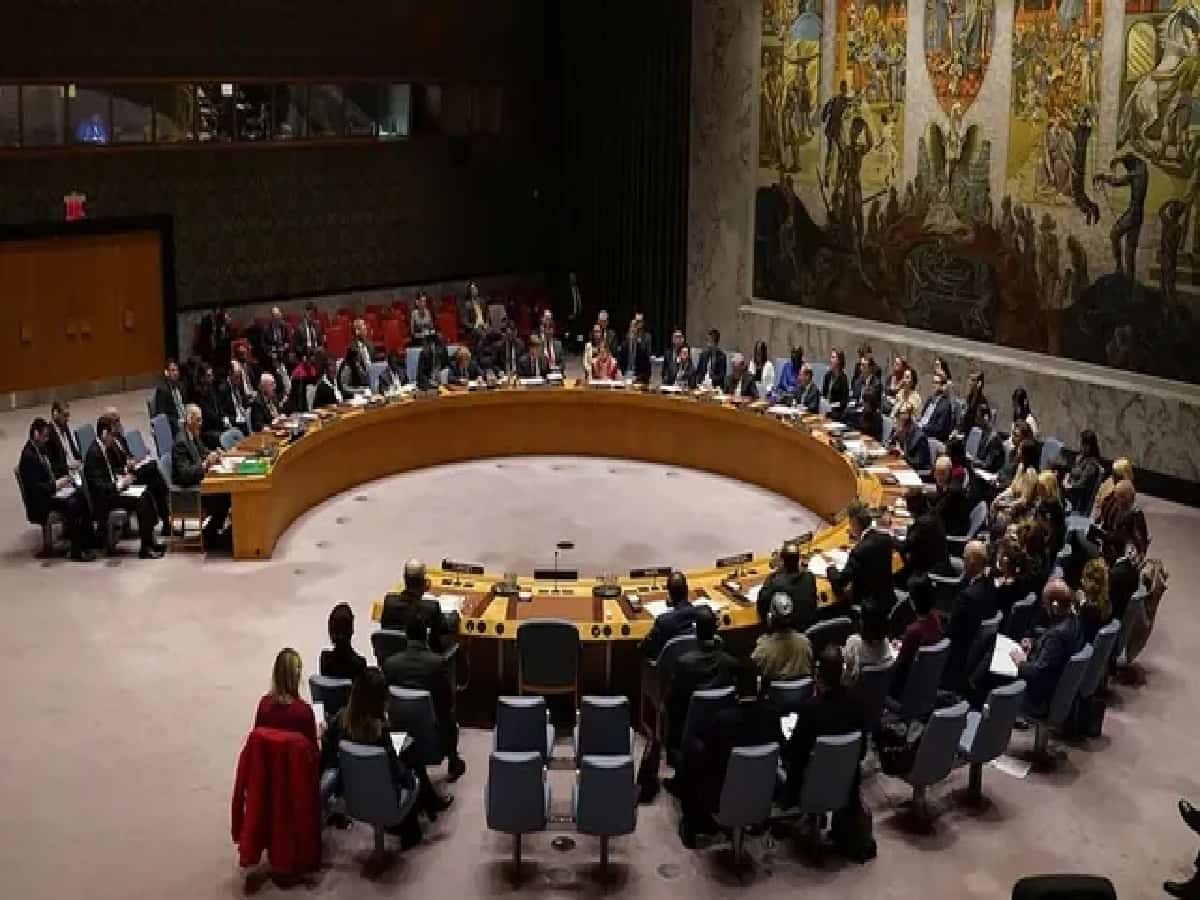
Delivering a sharp rebuke at the United Nations General Assembly's Third Committee meeting in Geneva, India firmly declared that human rights must never be weaponized as an instrument of political coercion or used to selectively target sovereign nations. Addressing the international forum on Wednesday, October 21, 2026, Barkha Tamrakar, Deputy Secretary in the Ministry of External Affairs (MEA), strongly opposed efforts to tarnish the reputation of the world's largest democracy through the circulation of unverified, incomplete, and decontextualized data. Reaffirming New Delhi's commitment to multilateralism, the Indian delegation stated that while the nation remains open to engaging with global human rights mechanisms, such collaboration must be grounded strictly in fairness, transparency, and mutual respect rather than ideological prejudice or treating routine preliminary dialogues as conclusive verdicts.
Sovereignty Over Selectivity: MEA Strongly Refutes Unverified Claims at UN Third Committee
The strong Indian response was triggered by a joint communication released by more than twenty United Nations human rights rapporteurs and independent experts based in Geneva, who expressed alarm over the handling of recent student and youth demonstrations in New Delhi. Indian representatives emphasized that domestic law enforcement agencies operate under rigorous constitutional frameworks and due process to preserve public order. New Delhi cautioned international bodies against functioning as echo chambers for geopolitical pressure, highlighting that India possesses robust, independent judicial institutions and statutory oversight bodies capable of addressing civil grievances without external interference. The MEA urged international rapporteurs to contextualize security responses accurately, uphold institutional impartiality, and avoid issuing unbalanced declarations that disregard ground realities in a vibrant constitutional democracy.
The Geneva Allegations: UN Experts Flag Detentions, Voter Roll Protests, and Assembly Curbs
The diplomatic friction originated from accusations made by the UN expert panel concerning alleged heavy-handed policing, preventive detentions, and sweeping prohibitions on public gatherings during demonstrations across the national capital. The protests, which saw widespread participation from student unions, rights activists, and legal defenders, erupted over disputed educational policy shifts and large-scale deletions from voter registers during recent electoral roll revisions, which UN rapporteurs alleged disproportionately impacted Muslim, Scheduled Caste, and Scheduled Tribe communities. The UN statement cited reports alleging that over 7,000 individuals, including university students and independent journalists, were rounded up and held at remote transit holding facilities, where phones were confiscated and demonstration footage was deleted before the majority were released within twenty-four hours. New Delhi has firmly dismissed these international claims, pointing out that public assembly regulations were applied lawfully to prevent civic disruption and ensure the safety of citizens across the capital.




