Election Commission Refutes Rift Claims Over SIR: Issues 8-Point Rebuttal on Internal Dissent
Responding firmly to media reports alleging procedural rifts and unauthorized decision-making among its top brass, the Election Commission of India (ECI) has issued an extensive eight-point institutional clarification. The Commission dismissed allegations of unilateral decision-making in the Special Intensive Revision (SIR) of electoral rolls, asserting that internal debates, varying perspectives, and critical notes are standard markers of a healthy multi-member constitutional body rather than evidence of discord.
The Controversy Sparked by Media Disclosures
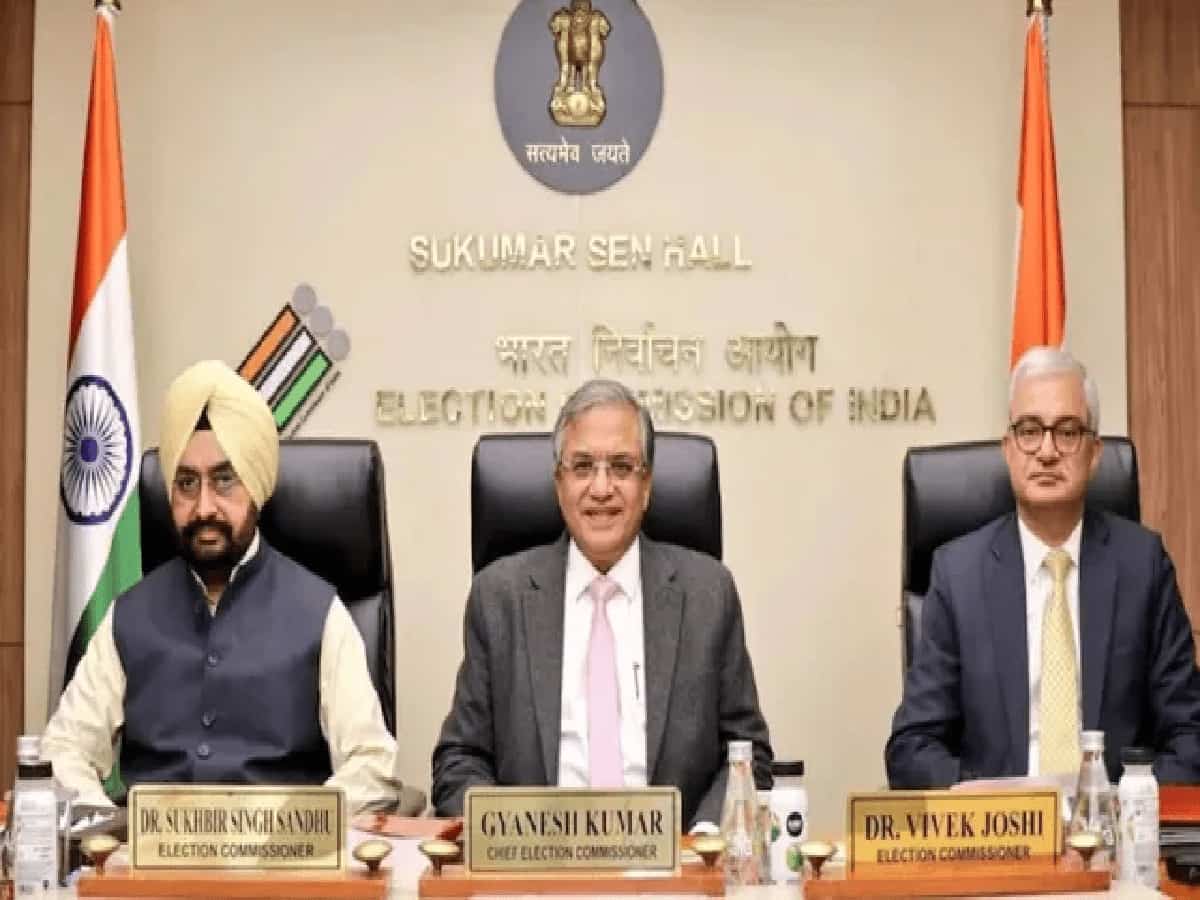
The issue flared up following an investigative report by The Indian Express alleging that decisive calls on the Special Intensive Revision (SIR) went ahead despite recorded reservations from Election Commissioners Sukhbir Singh Sandhu and Vivek Joshi. The report asserted that at least 14 objections were raised over a 10-month span, prompting sharp reactions from opposition leaders questioning transparency at the apex poll body headed by Chief Election Commissioner Gyanesh Kumar alongside Commissioners Sandhu and Joshi.
Constitutional Mandate and Multi-Member Governance
Addressing the allegations directly, the ECI underlined that it operates strictly within the framework of Article 324 of the Constitution and established statutory conventions. As a multi-member authority functioning under the Chief Election Commissioner and other Election Commissioners (Appointment, Conditions of Service and Term of Office) Act, 2023, the Commission relies on written notes, technical inputs, and institutional checks-and-balances. According to the poll panel, drafting stages deliberately invite rigorous debate and operational scrutiny from all members to ensure legal compliance and protect voter rights.
Internal Dissent as an Essential Administrative Feature
The poll body emphasized that differing views during deliberative phases represent standard administrative practice in any statutory organization before orders are formalized. The Commission explained that isolating selected internal minutes or dissenting observations across a ten-month duration while ignoring the broader consensus distorts reality. Over the past year, the Commission formulated national instructions, executed over 40 distinct electoral initiatives, and oversaw the comprehensive nationwide SIR through collective, unanimous resolutions.
Safeguarding Digital Infrastructure and Electoral Rolls
Addressing concerns over data handling and administrative powers during the roll revision, the ECI reaffirmed the security architecture of its core digital networks, including ECINet. The poll authority highlighted that stringent audit trails, multi-layered IT safeguards, and cybersecurity standards govern the electoral database. Statutory ground officials—such as Electoral Registration Officers (EROs) and District Election Officers (DEOs)—exercise statutory powers under legal guardrails, ensuring that additions and deletions proceed strictly by the book. The Commission noted its successful track record in executing high-stakes assembly polls across major states including West Bengal, Tamil Nadu, Kerala, Assam, and Bihar, reiterating its constitutional dedication to independent, credible democratic governance.