







Distinct Colors for Indians and Foreigners, 75% Test Pass Mark Proposed
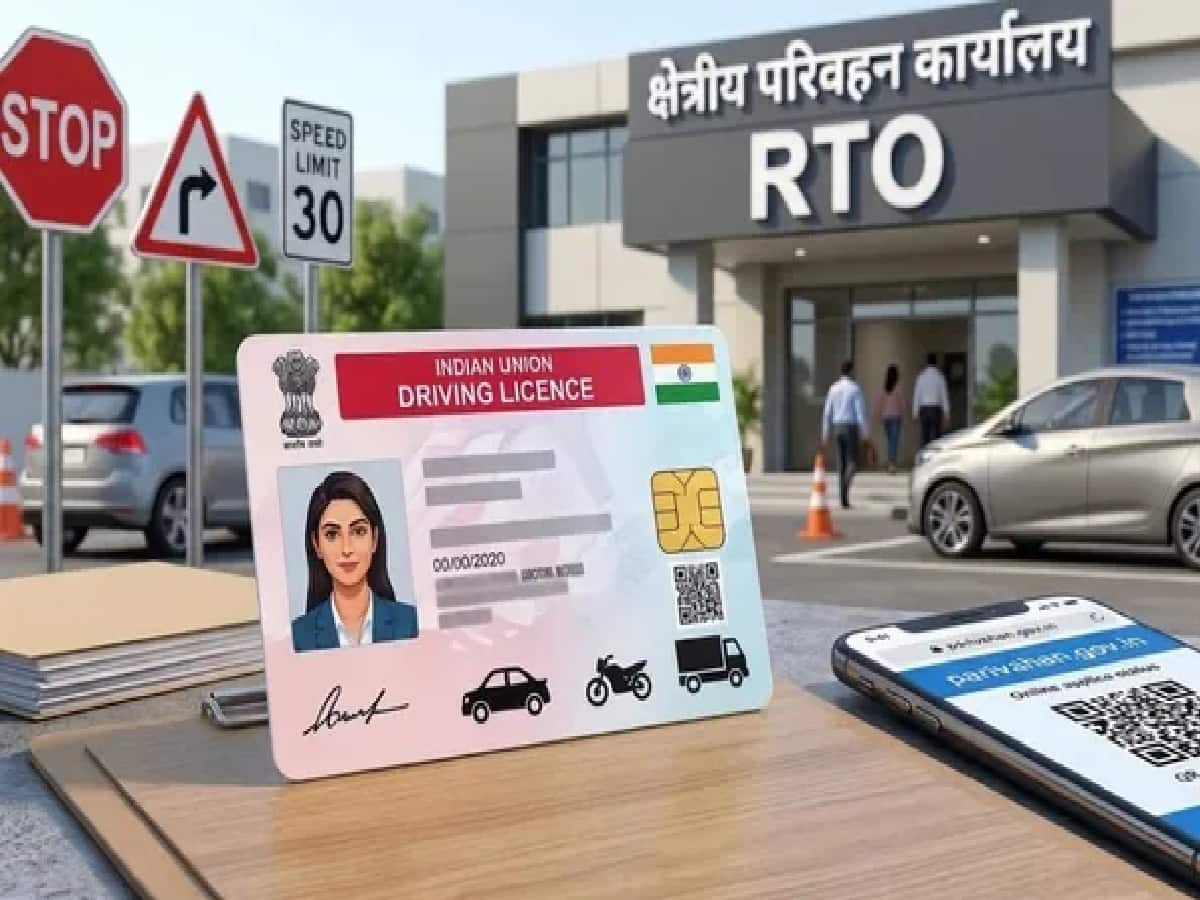
The Ministry of Road Transport and Highways has unveiled a sweeping draft notification set to overhaul India’s motor licensing framework, proposing color-coded driving licenses (DLs) that visually distinguish Indian citizens from foreign nationals. Under this proposed national architecture, transport authorities will embed clear indicators of the cardholder's verified nationality directly into the physical credential, giving law enforcement and transport regulators an immediate, unambiguous mechanism to establish citizenship status on the road. The regulatory overhaul also targets long-standing loopholes in identity verification by officially doing away with routine notarized or executive magistrate affidavits for age and address verification, replacing discretionary paperwork with an exhaustive checklist of verifiable government-issued identity documents to curb document fraud and licensing forgery nationwide.
Stricter Driving Tests, Vital Emergency Data, and Online Fee Waivers
To significantly improve road safety standards across the country, the transport ministry has proposed elevating the passing threshold for the mandatory online 'Safe-Driving Tutorial Assessment' from the existing 60% mark to a rigorous 75%. In addition to clearing higher testing benchmarks, applicants will be mandated to furnish their verified blood group, active primary mobile number, and designated emergency contact details during the onboarding process, ensuring rapid medical response coordination in the event of road accidents. The central government is also introducing fiscal incentives for digital adoption by waiving administrative processing fees for essential service updates—including legal name modifications, address adjustments, and mobile number updates—provided applicants carry out the transactions independently through secure, online Aadhaar-based authentication protocols on national transport portals.
Standardized Documentation Checklist and 15-Day Deemed Approval on Sarathi
Addressing administrative bottlenecks and reducing bureaucratic discretion across regional transport offices (RTOs), the draft rules standardize valid proofs for identity, age, and residence, permitting verified documents such as voter identity cards, passports, birth certificates, e-ration cards, PAN cards, recent three-month utility bills, and proof of legal presence for international residents. Affidavits before judicial or executive magistrates will now be accepted strictly as a rare measure of last resort if an applicant cannot supply any of the 12 prescribed standard records. Furthermore, the ministry has established enforceable service-level deadlines: licensing authorities must either approve or formally reject online alteration requests within 15 days, providing transparent written justifications for any rejection. In cases where residential address updates remain unaddressed for 30 days, applications will automatically qualify for deemed approval, with all administrative workflows consolidated under a unified single-window digital application form synced to the central 'Sarathi' transport database.




